 In Stock
Honda Outboard Motors
Inspected Honda outboard motors in stock and ready to ship, each one documented before it is palletized and dispatched on insured European road freight.
183 listings · page 1 of 8
In Stock
 In Stock
 In Stock
 In Stock
 In Stock
 In Stock
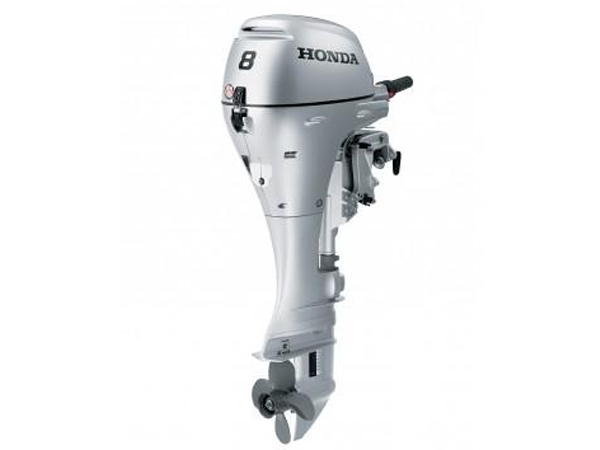
2019 Honda 8 HP BF8DK3LHA Outboard Motor
€1,146.62
View
 In Stock
 In Stock
 In Stock
 In Stock
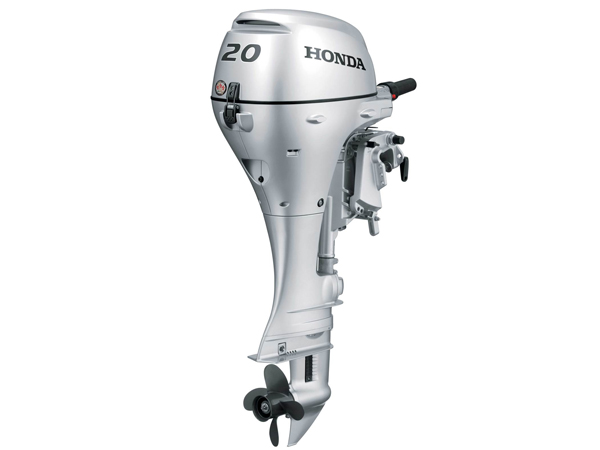
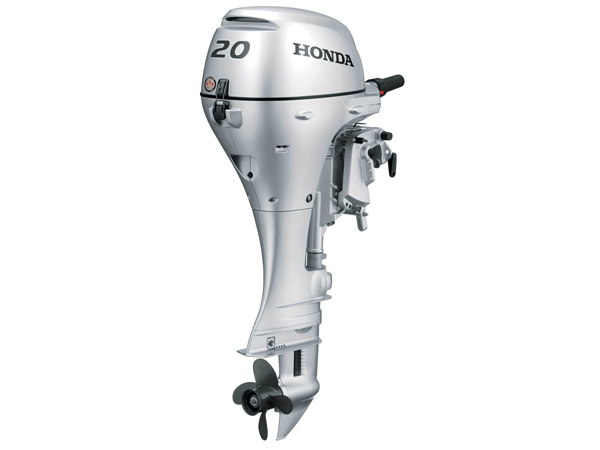
2019 Honda 20 HP BF20D3SH Outboard Motor
€1,714.67
View
 In Stock
 In Stock
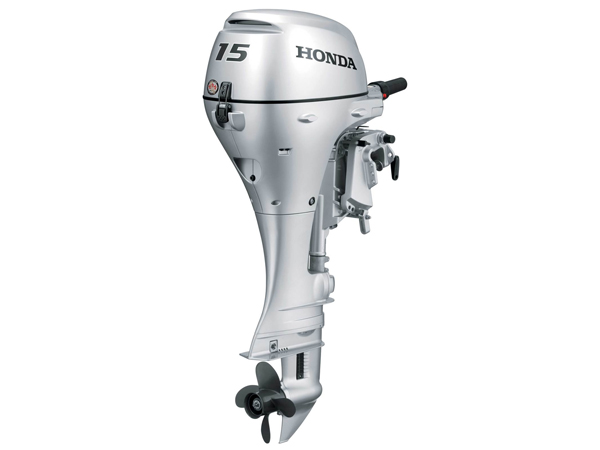
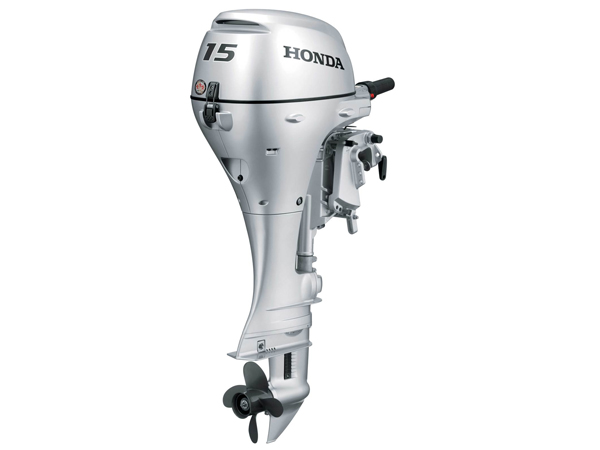
2019 Honda 15 HP BF15D3LH Outboard Motor
€1,563.90
View
 In Stock
 In Stock
 In Stock
 In Stock
 In Stock
 In Stock
 In Stock
 In Stock
 In Stock
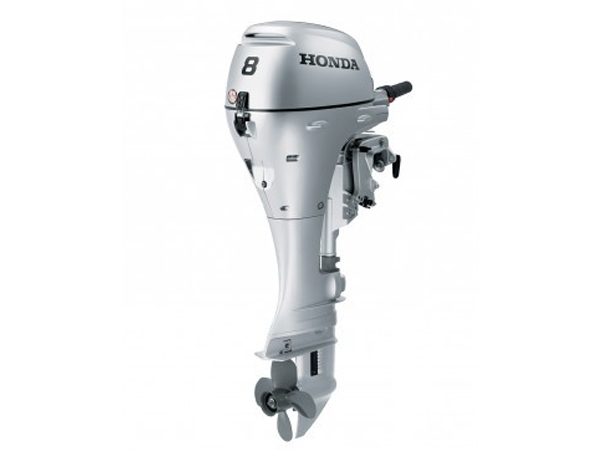
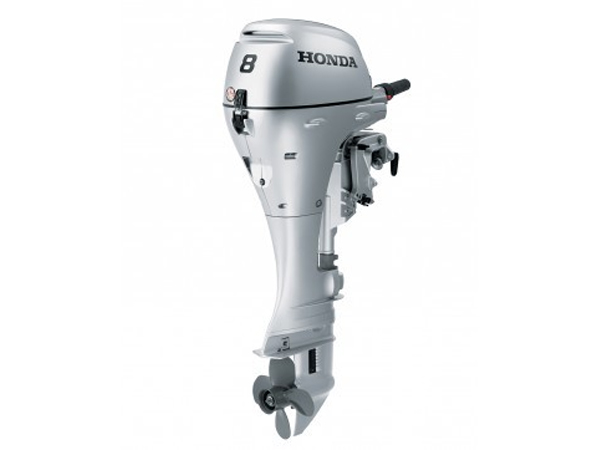
2018 Honda 8 Hp BF8DK3SHA Outboard Motor
€1,139.62
View
 In Stock
 In Stock
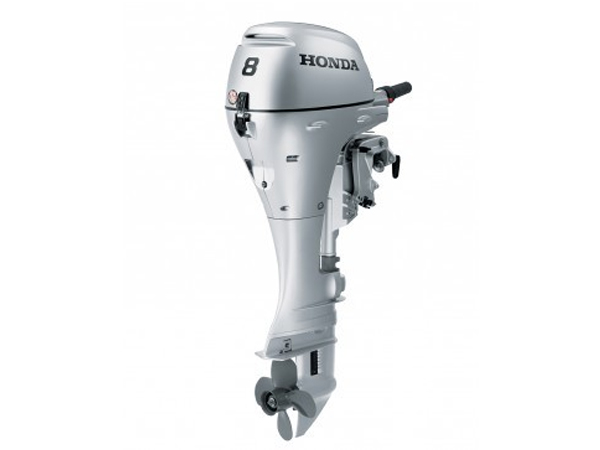
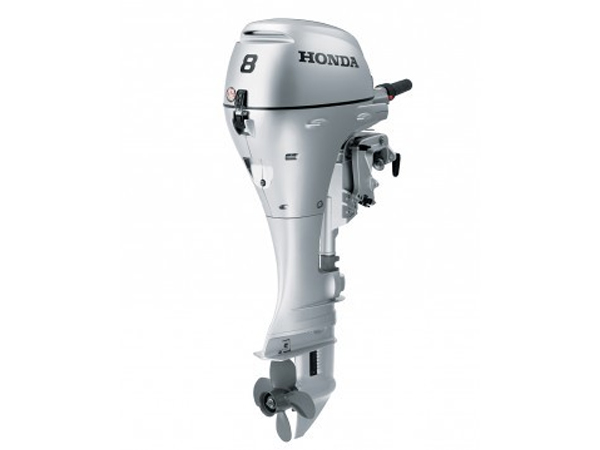
2018 Honda 8 Hp BF8DK3LHA Outboard Motor
€1,388.55
View
 In Stock
Choosing a Honda outboard
Honda entered the outboard market in 1964 with four-stroke engines, at a time when most outboards were two-strokes, and its US lineup is still entirely four-stroke, from 2 to 350 hp. Choosing a Honda therefore comes down to size class, thrust options and control system rather than engine type.
Honda technology names you will see
- BLAST: Honda's air-fuel ratio and ignition-timing technology for stronger low-speed acceleration and hole shot.
- VTEC: variable valve timing and lift, first used in a Honda marine engine in 2001.
- Lean Burn Control: runs a leaner air-fuel mixture at cruise to save fuel.
- iST (Intelligent Shift and Throttle): Honda's drive-by-wire controls, available on its 115 to 350 hp outboards.
Power Thrust, jets and the big V6 and V8
Power Thrust models carry a BFP prefix. On the BF8 and BF9.9, the Power Thrust 4-blade propeller gives 60 percent more thrust in reverse and 15 percent more forward, and the BFP60 adds a unique gearcase and larger prop for pontoons and larger hulls. Honda's 105 Jet is built on the BF150 platform for rocky shallows and sandbars. At the top, the BF200, BF225 and BF250 share a 3.6-liter V6, and the BF350 is Honda's first production V8.
What to check on a used Honda
Start with the model and serial numbers on the motor and confirm the shaft and rotation letters in the model code. Check whether it is an iST model, because iST and cable-controlled versions need different helm controls, and iST rigging must come with it or be bought new. Honda's Engine Alert System warns of overheating, water in fuel, low oil pressure and over-revving, so ask whether any warnings have been showing. Look over the anodes and paint as well; Honda's corrosion protection relies on sacrificial anodes that wear away as they do their job.
Honda outboard motors: common questions
- Are all Honda outboards four-stroke?
- Yes. Honda began selling outboards in 1964 with four-stroke engines and kept developing four-strokes while much of the market stayed with two-strokes. Its US line today is entirely four-stroke, from about 2 to 350 hp. That means there is no premix or separate two-stroke oil to manage.
- What is Honda iST?
- iST stands for Intelligent Shift and Throttle, Honda's drive-by-wire control system. It is a drive-by-wire system and, on the BF200 to BF250, adds automatic tilt, trim support and cruise control features shared with the BF350. Honda offers it on its 115 to 350 hp outboards. An iST motor needs iST-compatible helm controls, so confirm what is included before buying.
- What is the difference between Honda BF and BFP models?
- BFP models are Honda's Power Thrust versions, built to push heavier loads. On the 8 and 9.9 hp portables, a Power Thrust 4-blade prop gives 60 percent more reverse thrust and 15 percent more forward thrust. The BFP60 uses a unique gearcase and a larger prop aimed at pontoons and other large hulls. Check the model code, since the BF and BFP versions of the same horsepower are different motors.
- What does BLAST do on a Honda outboard?
- BLAST is Honda's air-fuel ratio and ignition-timing technology for low-speed acceleration. It sharpens the hole shot, so a boat gets on plane more quickly from a standstill. Honda lists it on models such as the BF60, the 105 Jet and the BF350.