
 In Stock
Engine Components & Induction Parts
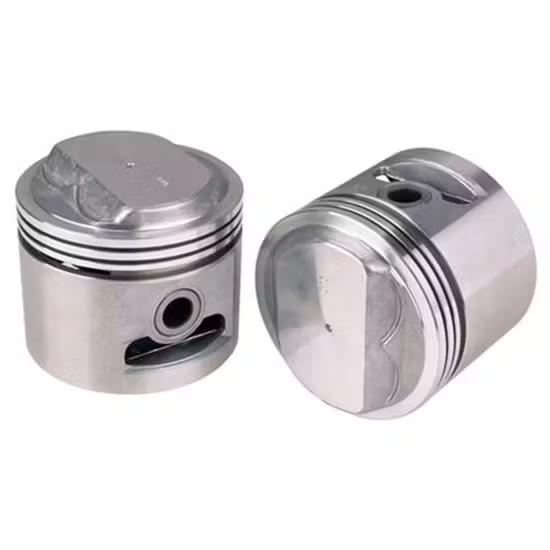
Intake manifolds, headers, pistons, ignition and charging components for engine builds and refresh work.
65 listings · page 1 of 3
How to choose engine components
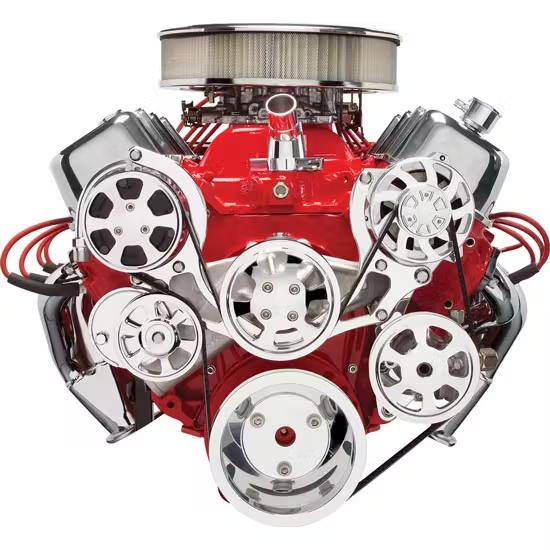
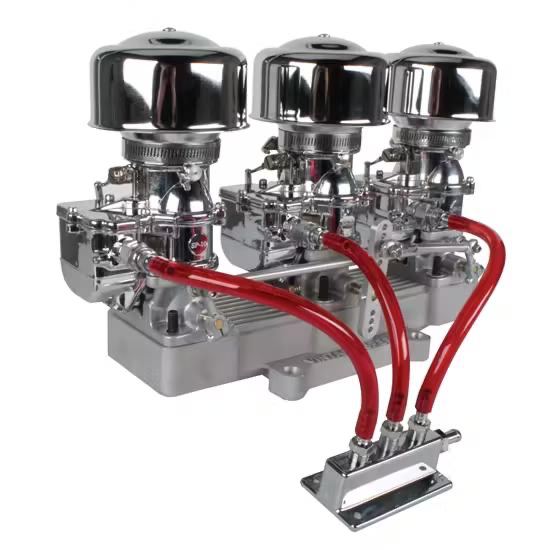
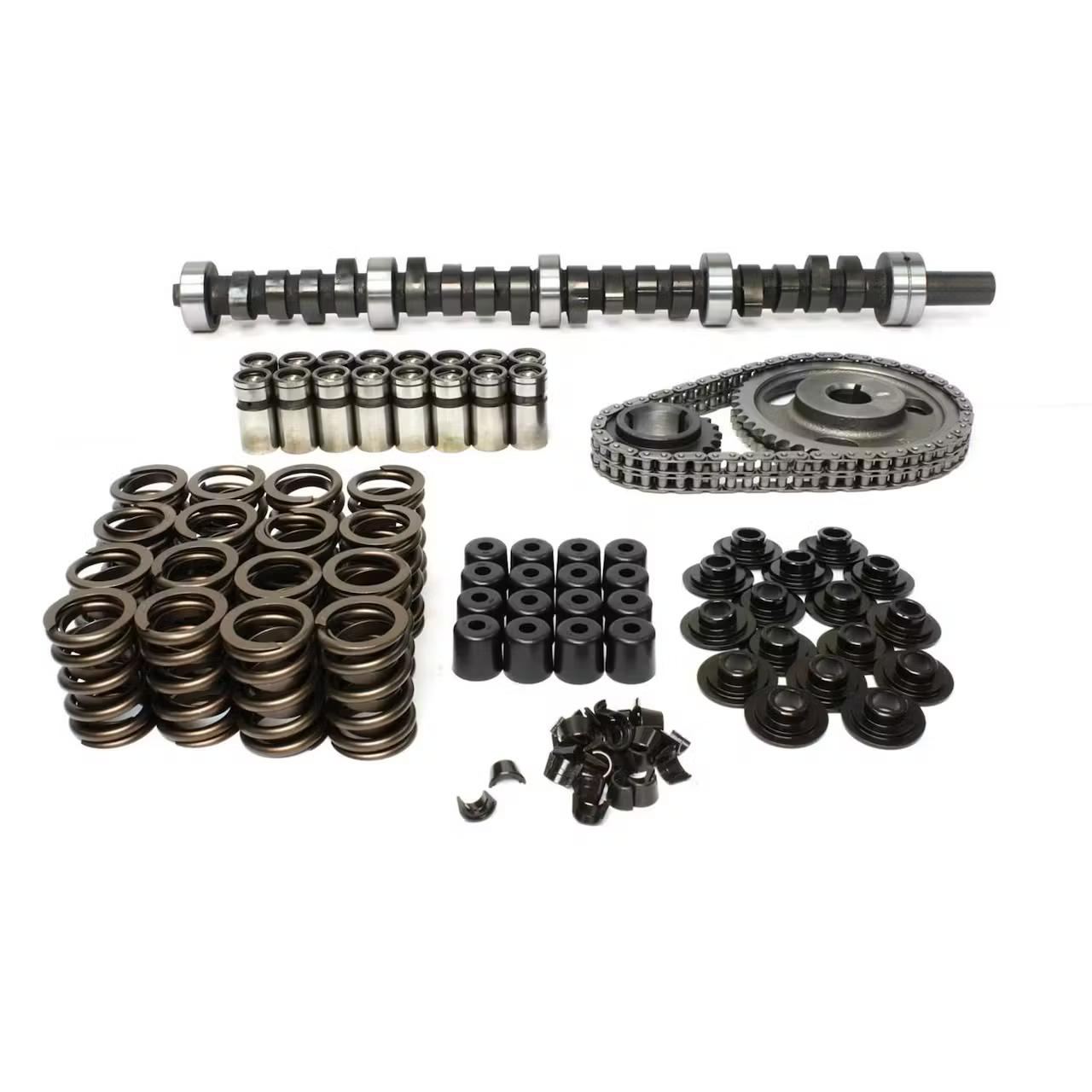
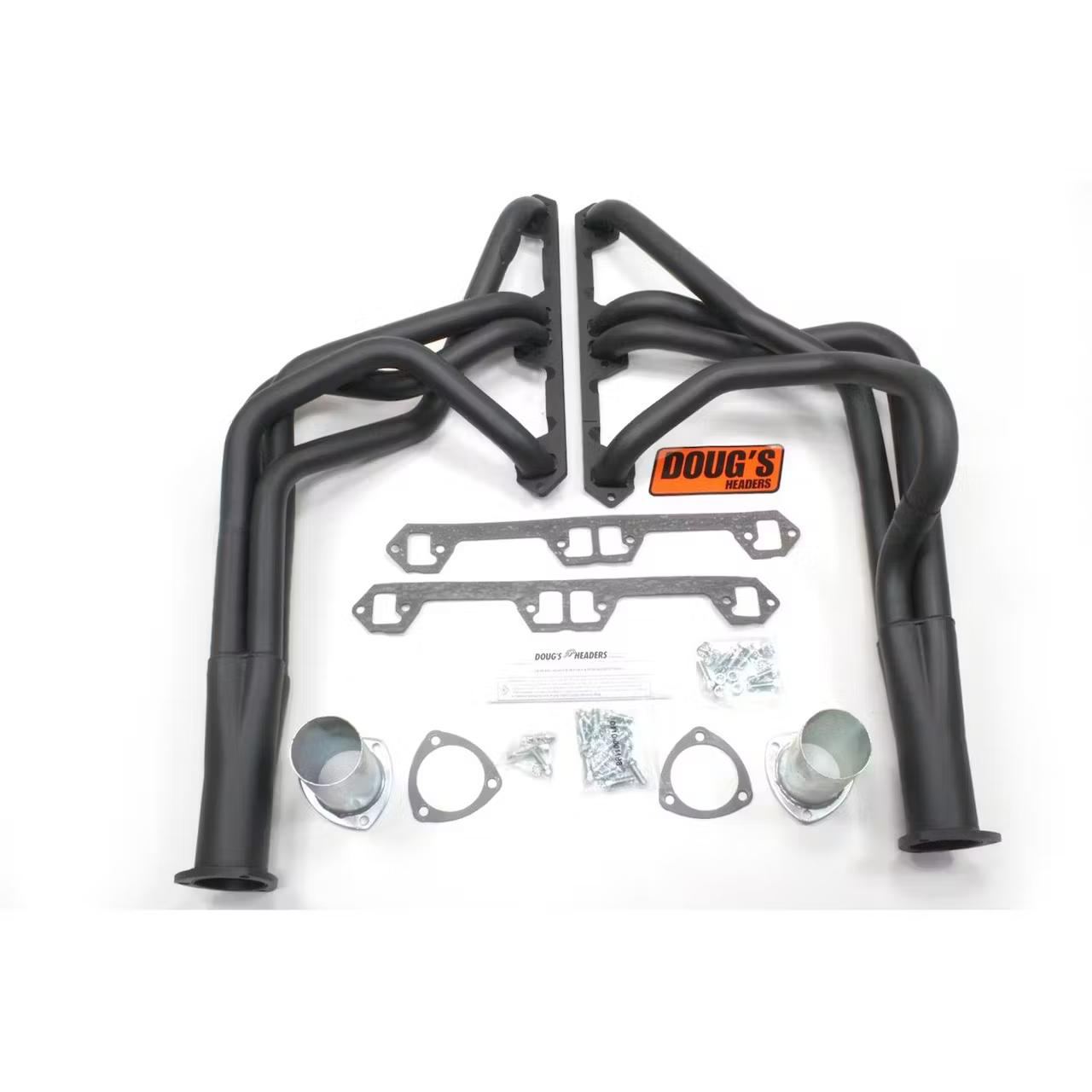
Start with the exact engine family, then pick parts that work together as a combination rather than one at a time. This department carries intake manifolds, carburetor kits, headers, camshaft kits, distributors, starters, alternators, serpentine drive kits, valve covers and a few ECUs, covering small- and big-block Chevy, Ford, AMC and Jeep, Buick nailhead, Flathead and LS applications. A part listed for a big-block Chevy will not fit a small block, and port shape matters within a family.
Intake manifolds
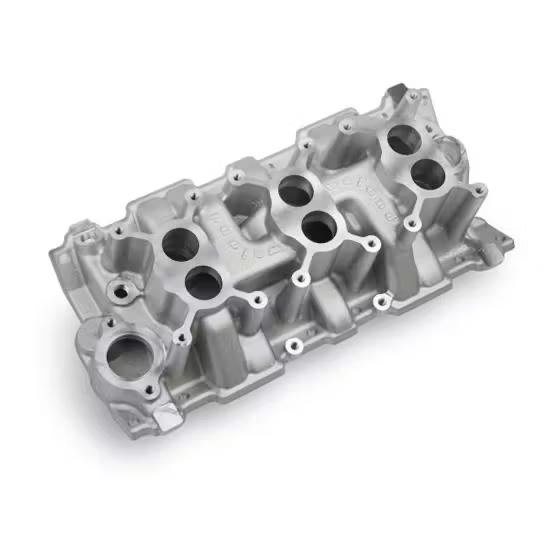
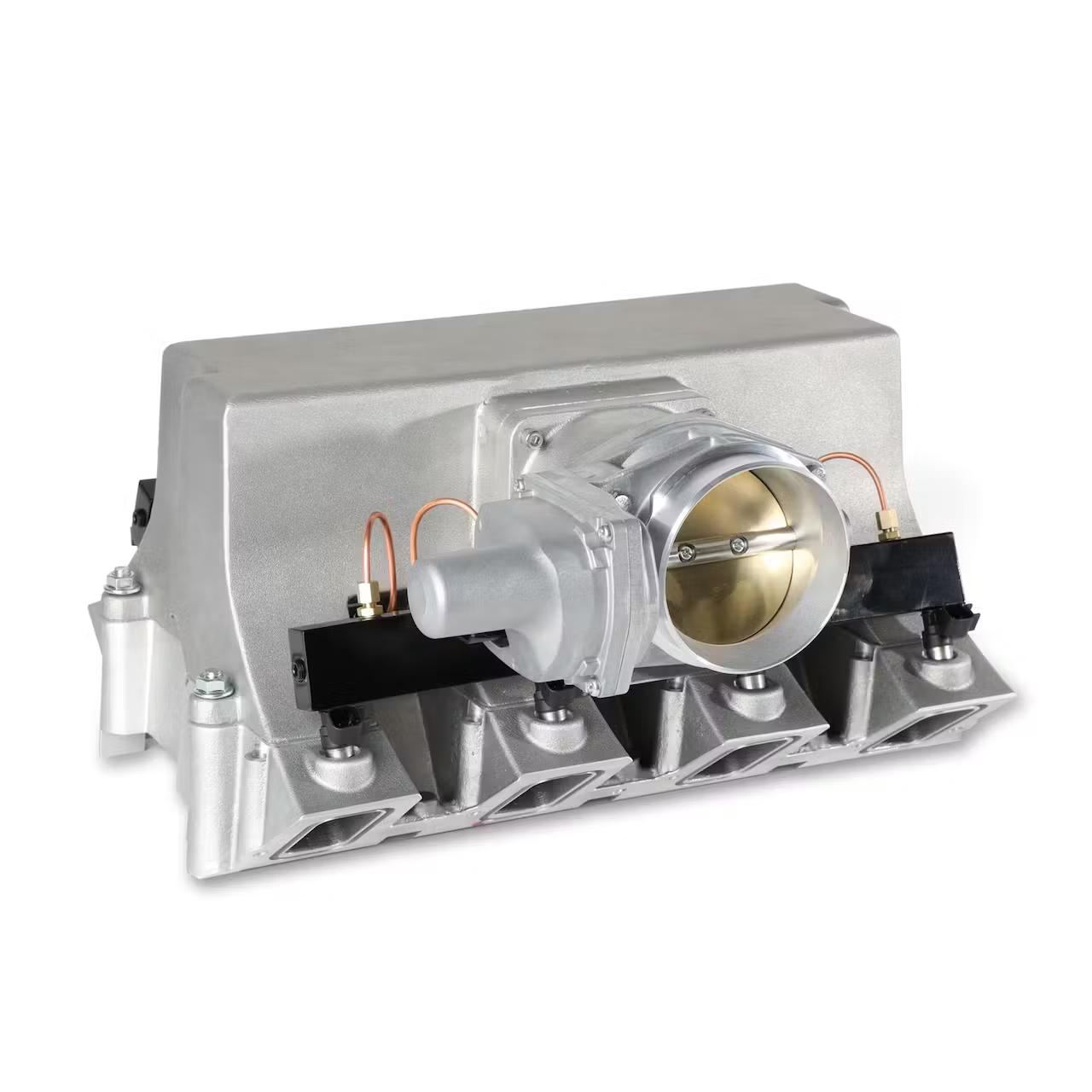
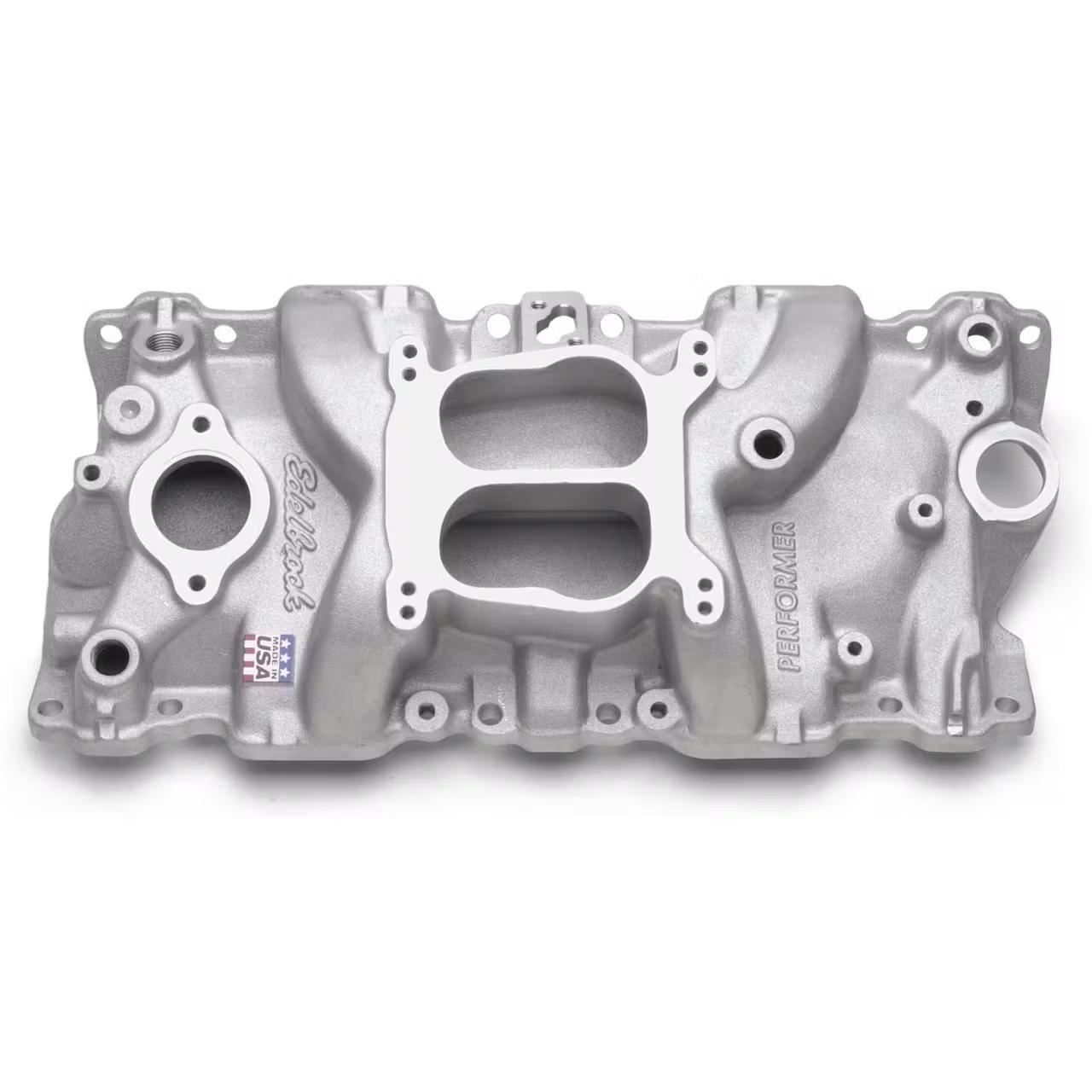
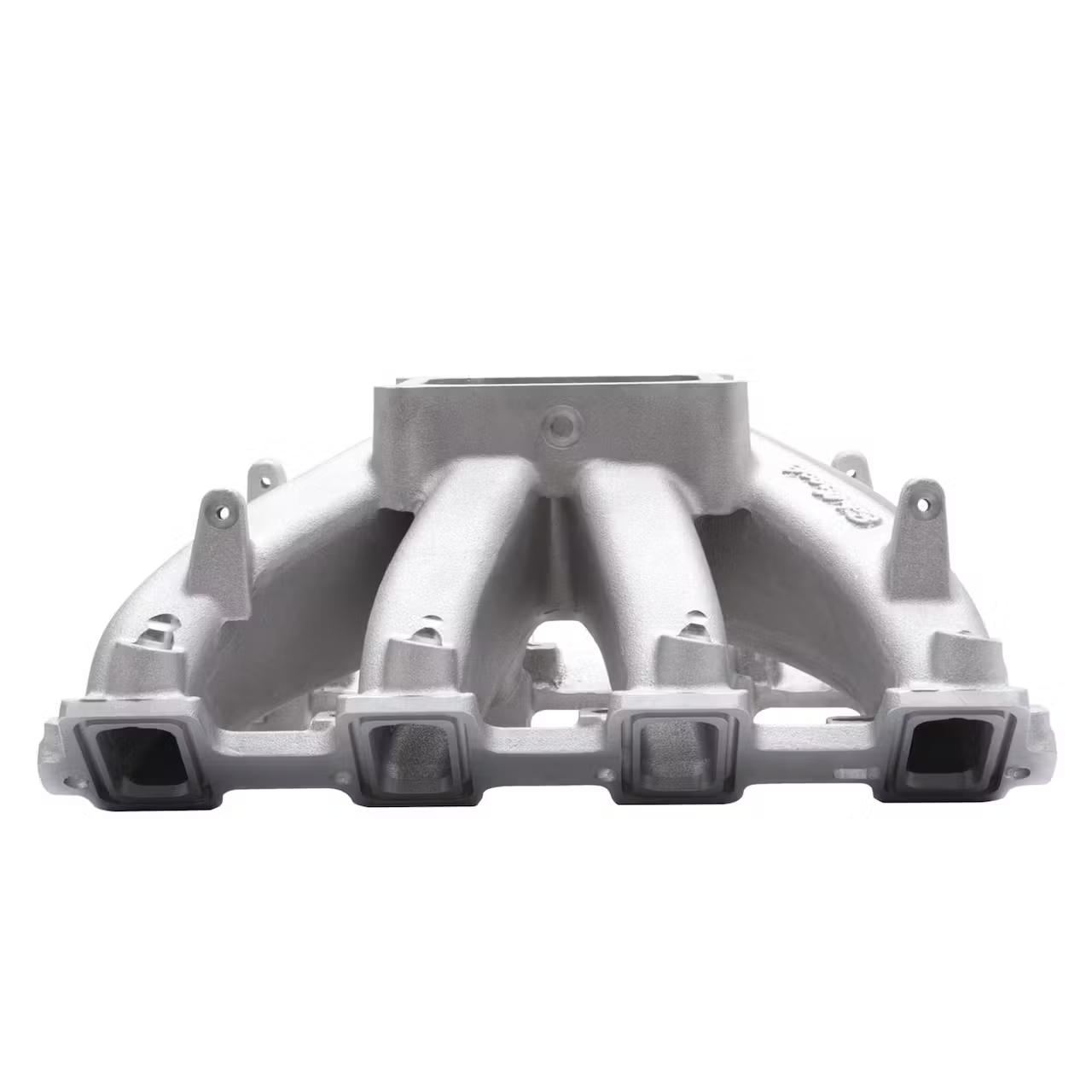
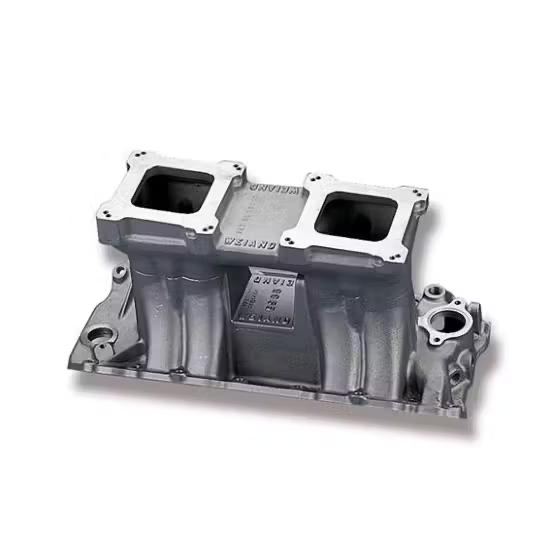
Match three things: the cylinder head port shape, the carburetor or EFI flange, and the rpm range of the rest of the engine. Big-block Chevy manifolds, for example, are made for oval-port or rectangular-port heads. A dual-plane street manifold such as the Weiand Street Warrior is designed for stock to street-performance engines up to a maximum of 5,500 rpm. Weiand's instructions also ask you to check hood clearance with your carburetor and air cleaner, and whether the manifold suits your local emissions laws.
Emissions and street use
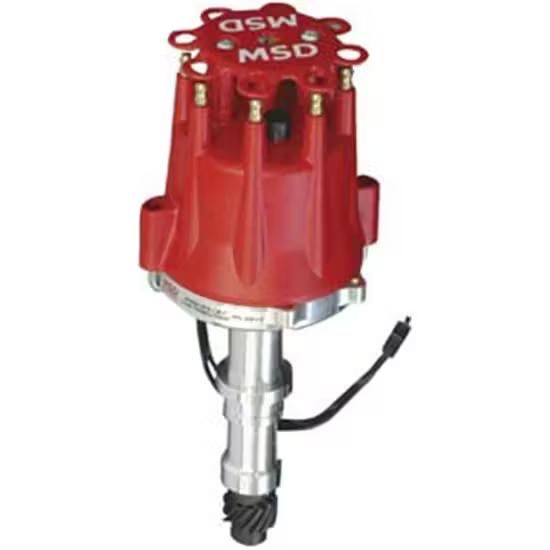
Read the legal note on every induction or ignition listing. Some manifolds are labeled not legal for sale or use on vehicles with pollution-control equipment, which restricts them to vehicles without that equipment. In California, Vehicle Code Section 27156 says no person shall disconnect, modify or alter required pollution control devices, and California's Smog Check program refers to CARB's list of approved aftermarket parts with Executive Orders (E.O.). Some listings show an E.O. number; the MSD AMC Ready-to-Run distributor, for instance, lists one.
Camshaft kits
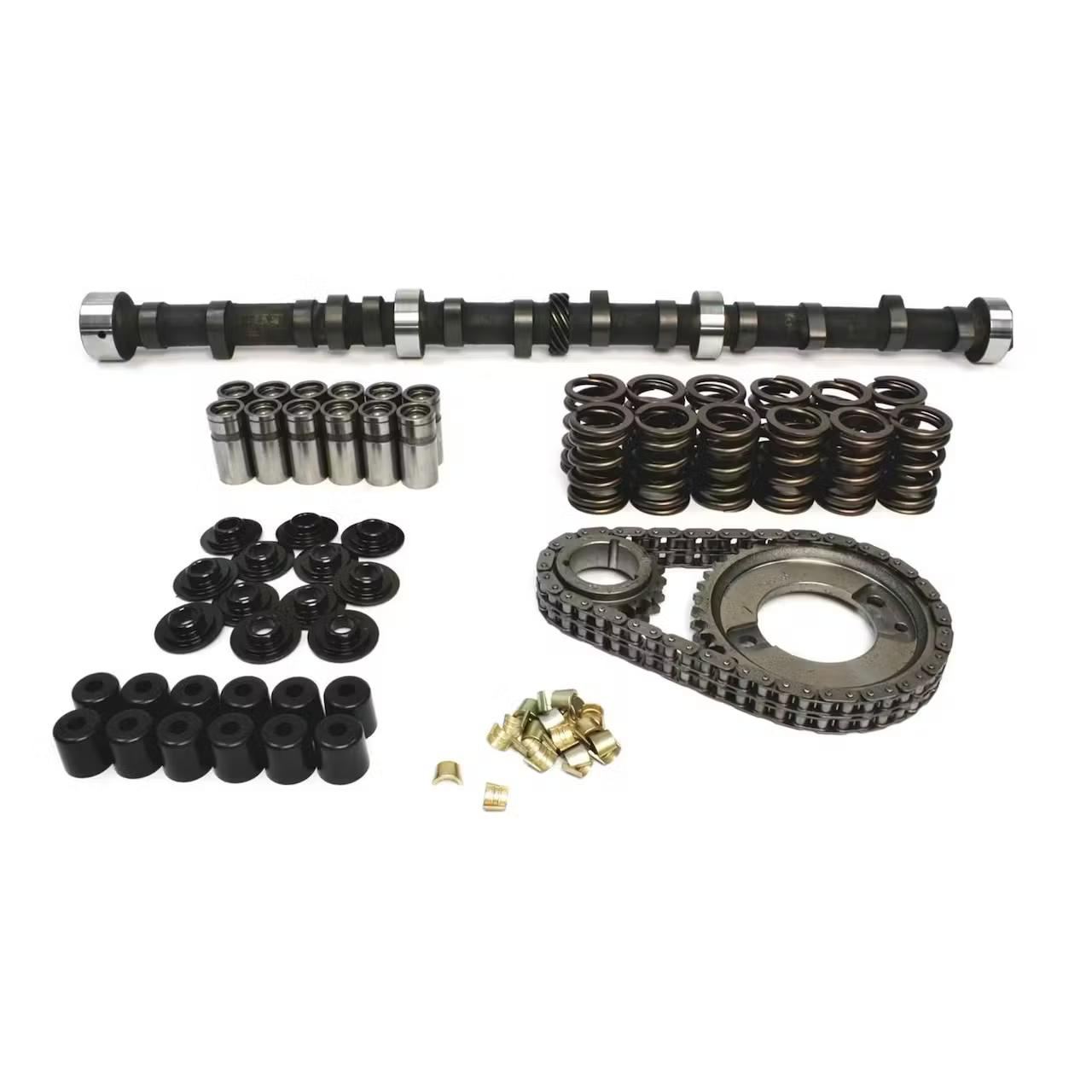
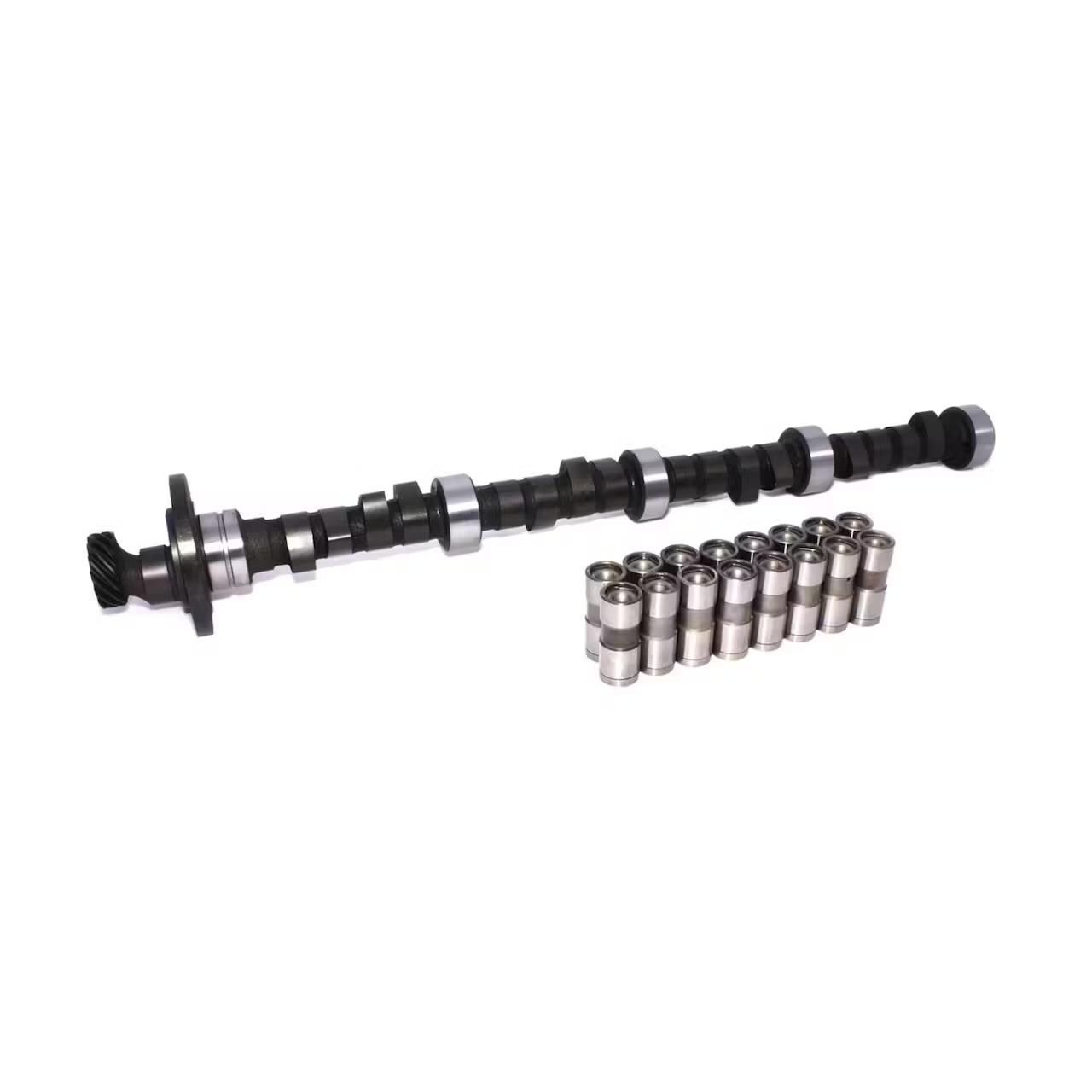
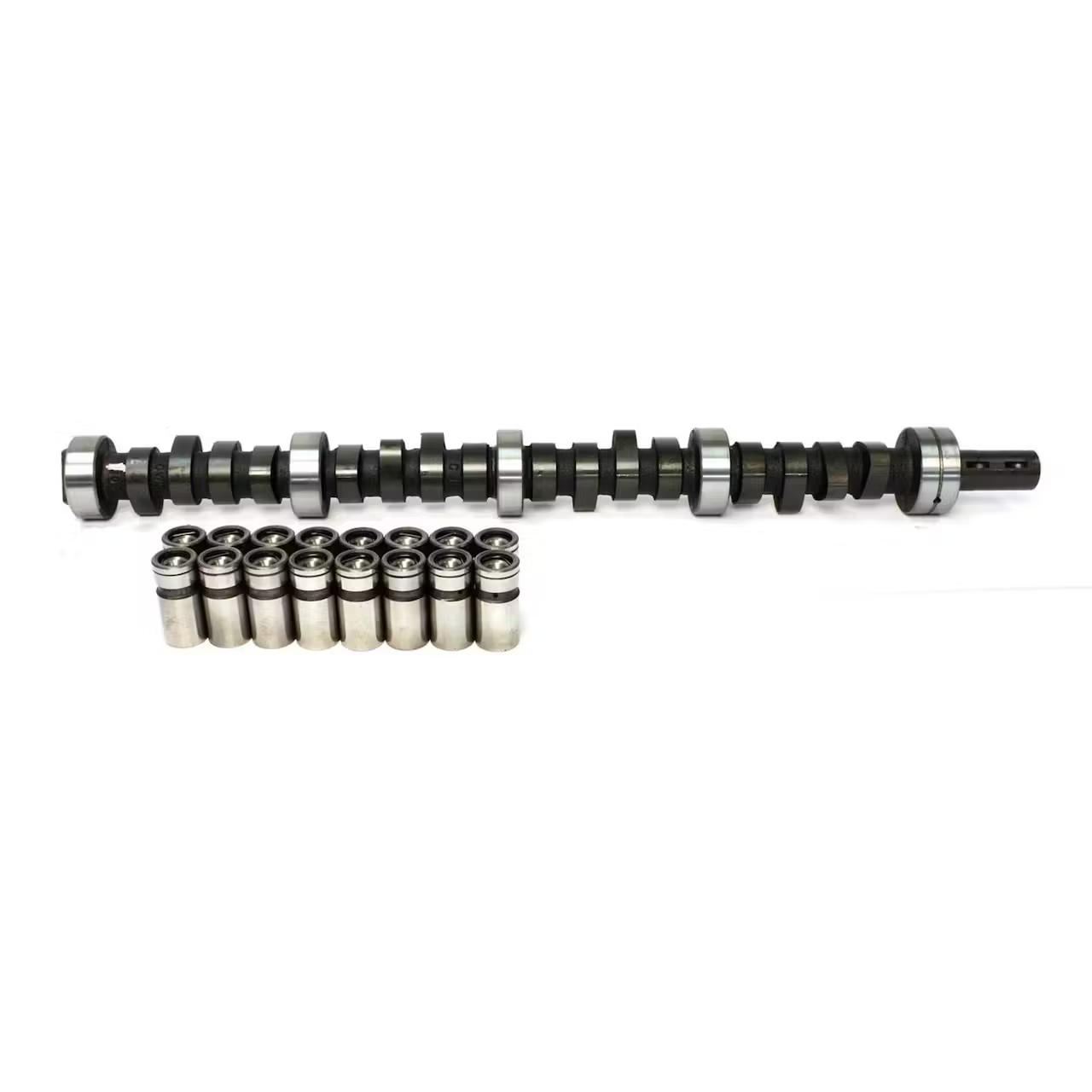
Flat-tappet camshafts need careful break-in. COMP Cams advises bringing the engine to 2,000 to 2,500 rpm for the first 30 minutes, removing inner valve springs on dual-spring setups during break-in, and using oil with adequate ZDDP (zinc and phosphorus), since modern oils have reduced those additives. COMP also stresses buying only high-quality lifters from reputable sources.
Headers, starters and front drives
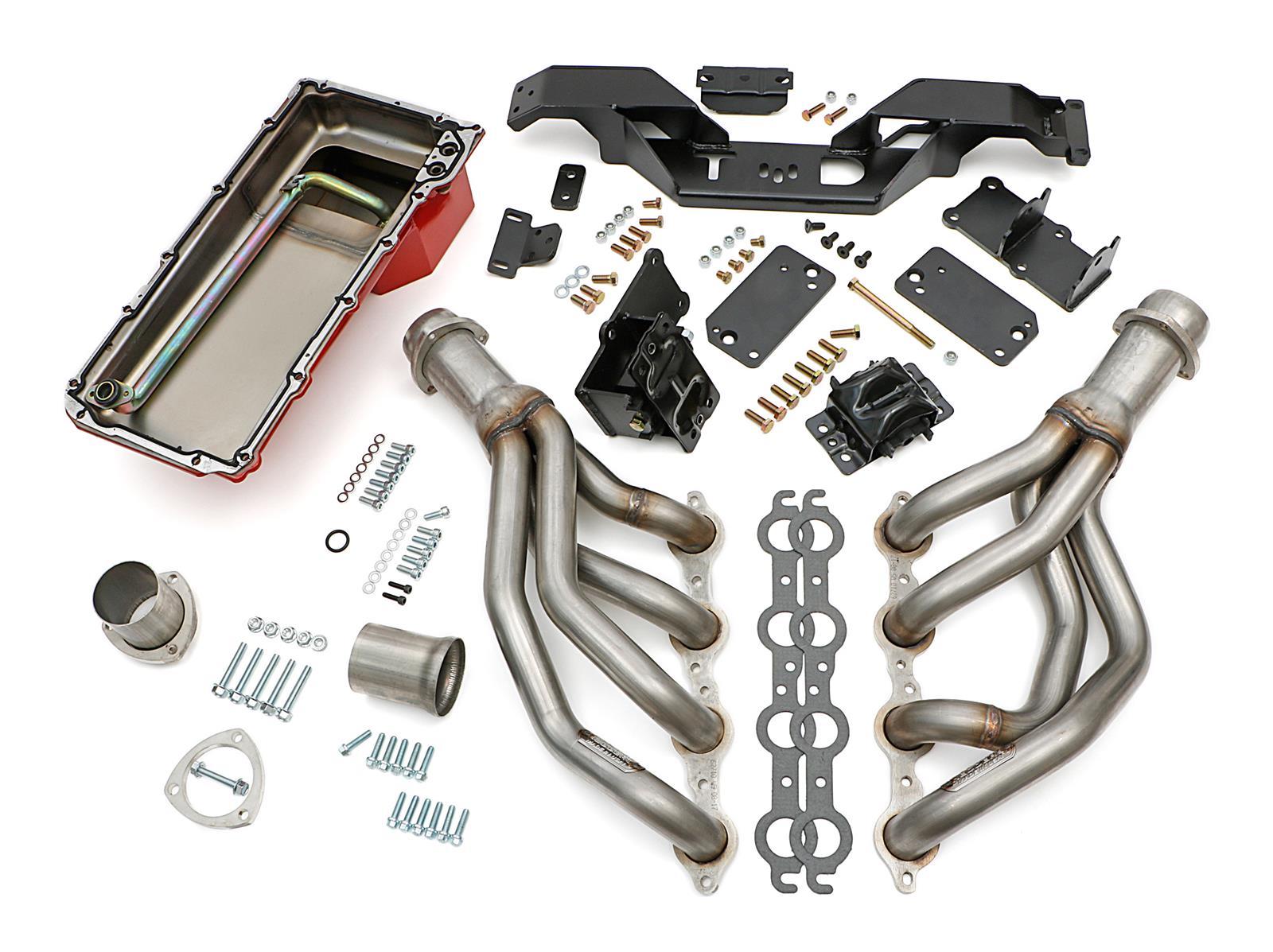
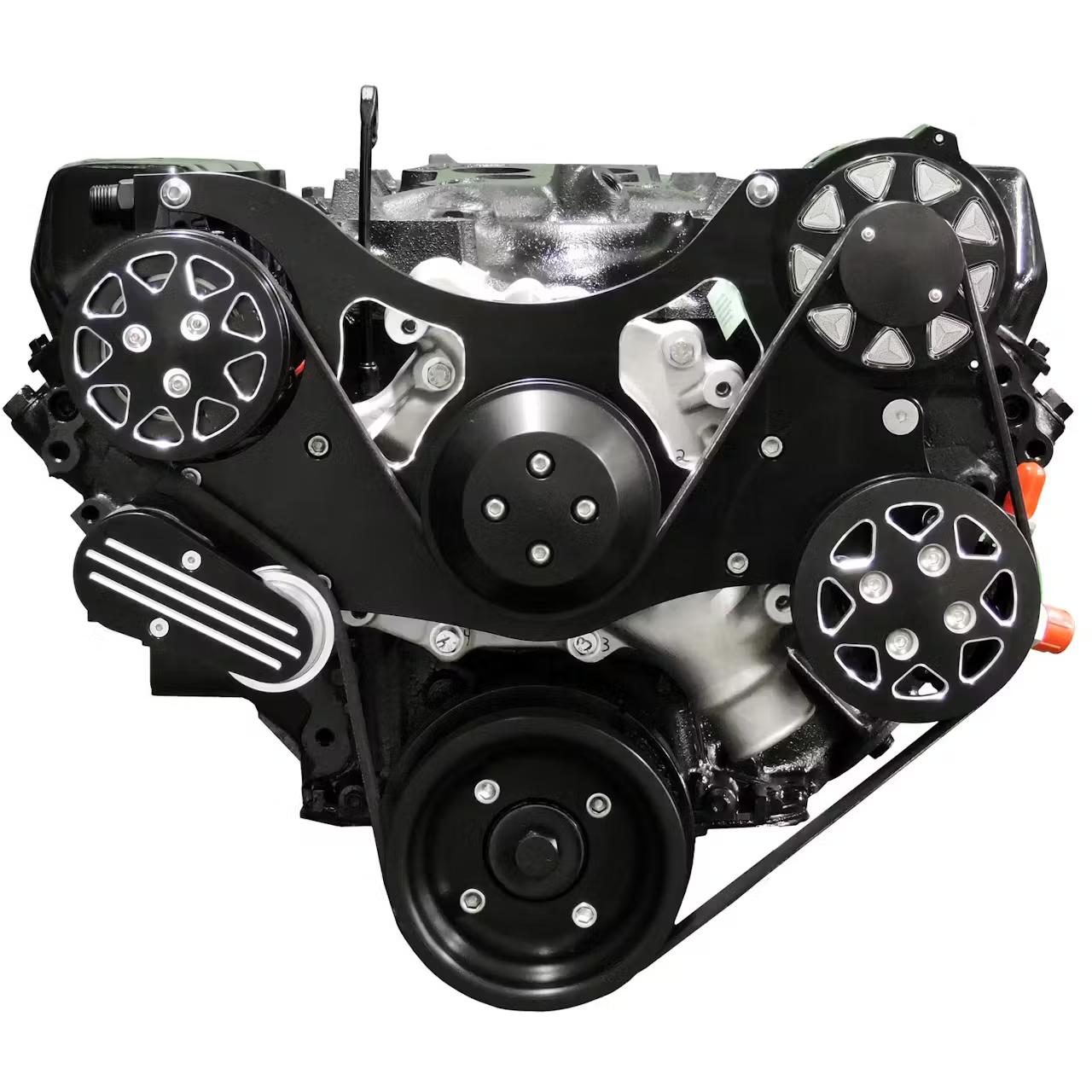
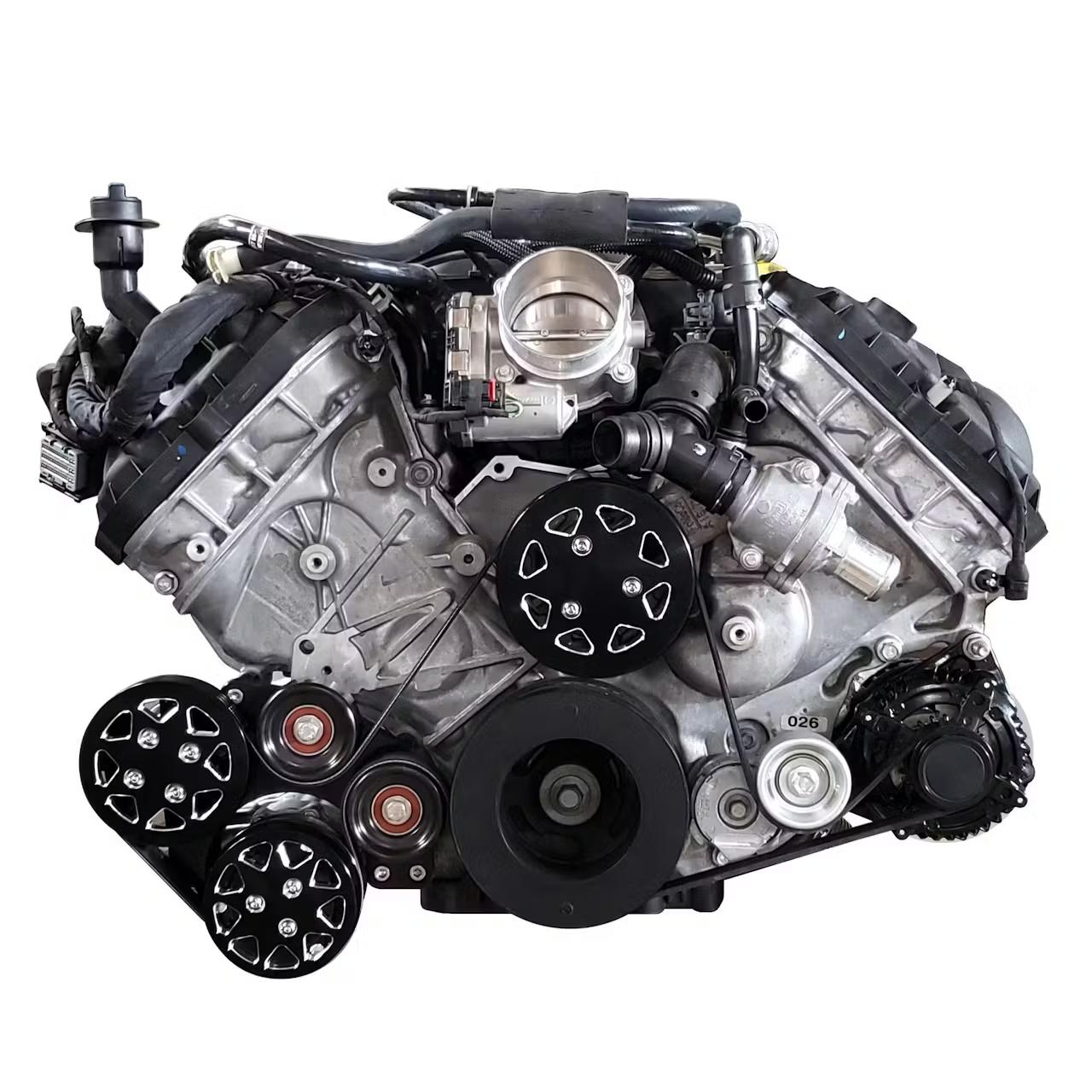
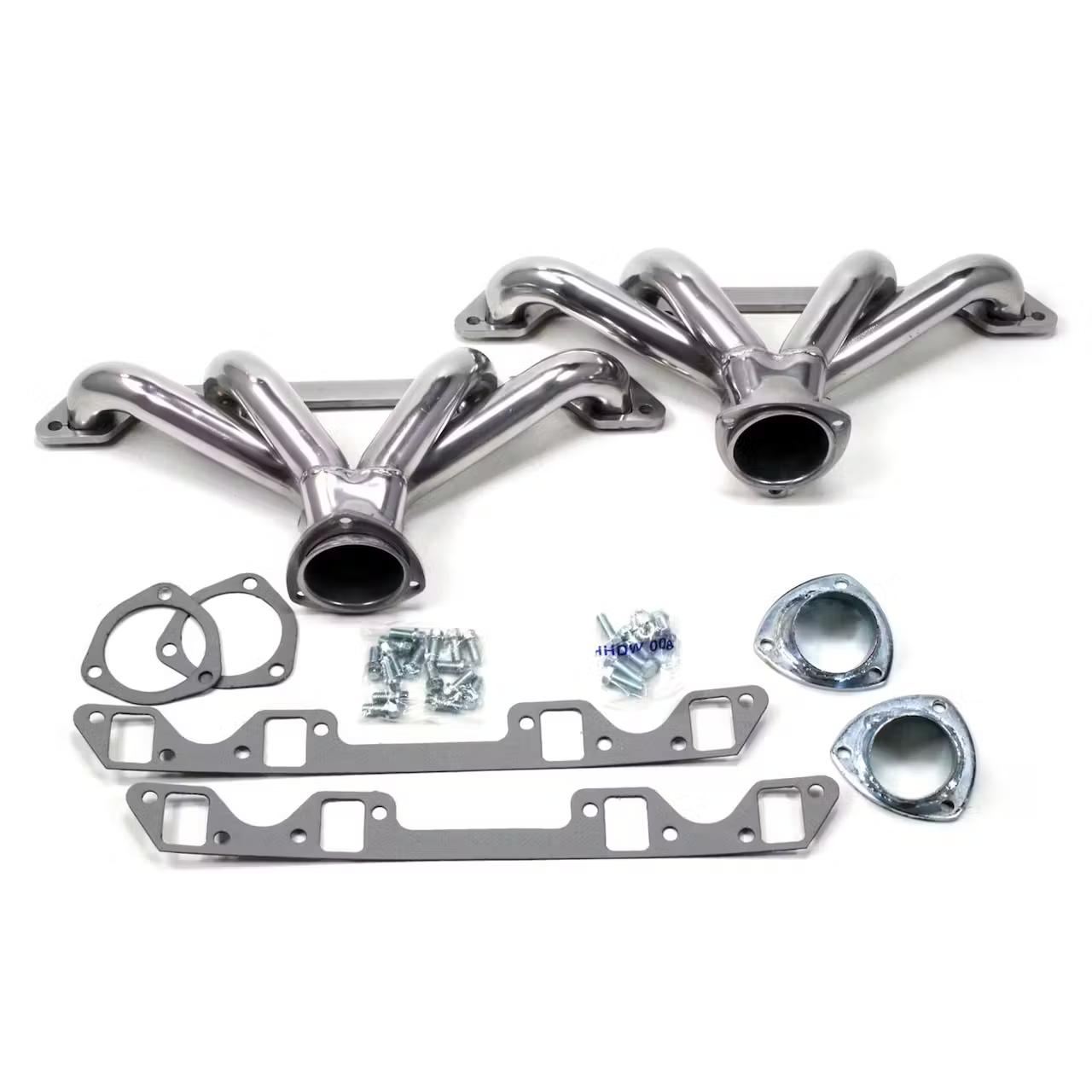
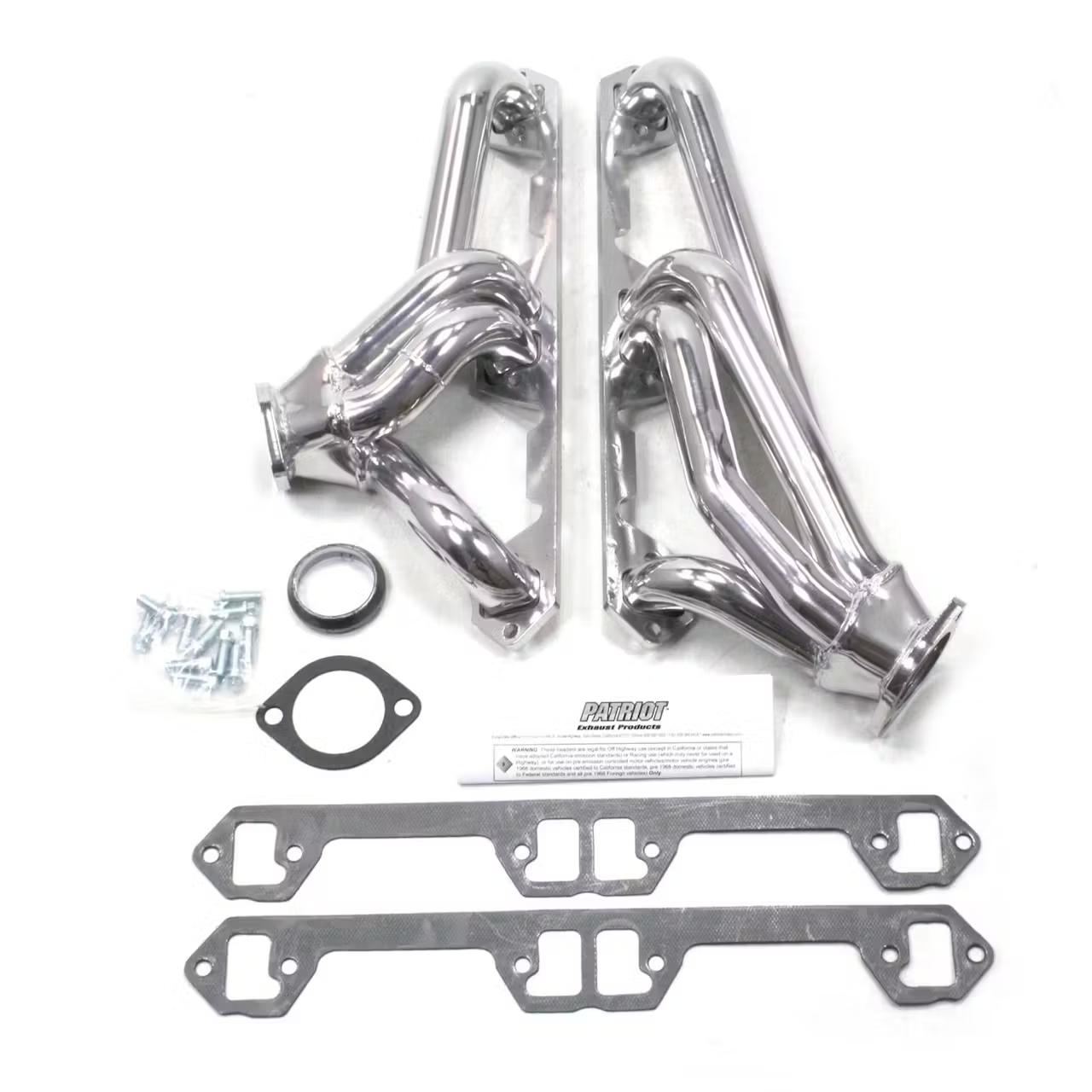
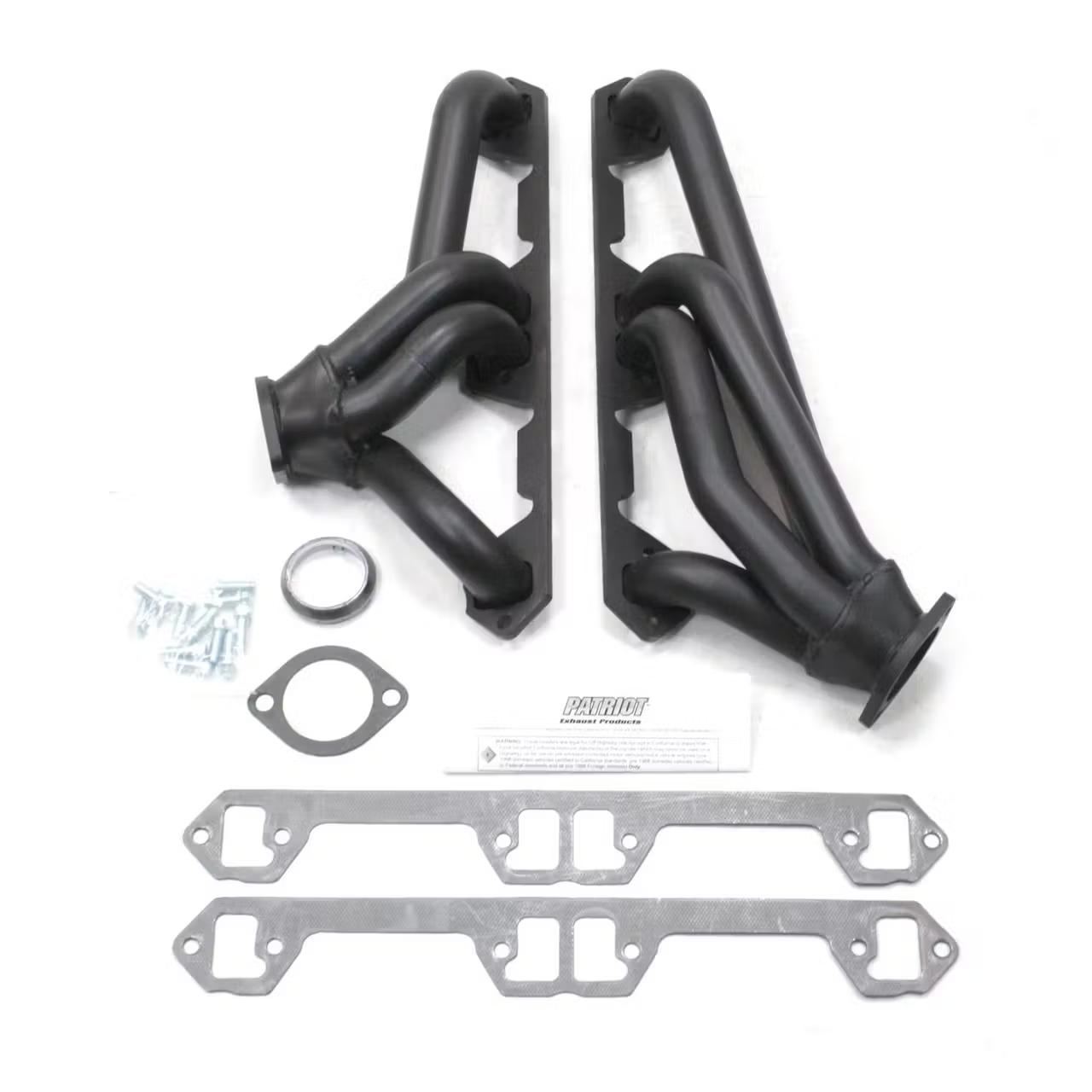
Headers are built for a specific engine and chassis pairing, so a full-length AMC Javelin header and a tight-tuck street rod header are not interchangeable. Before ordering, check clearance around the steering box, starter, oil filter and motor mounts, and plan the starter at the same time: Powermaster lists its XS Torque gear-reduction starters as clearing most headers and oil pans, with a mounting block that rotates 360 degrees. Complete serpentine drive kits replace mixed brackets and pulleys with one matched system; confirm water pump rotation and whether power steering and air conditioning are included.
Ignition and charging
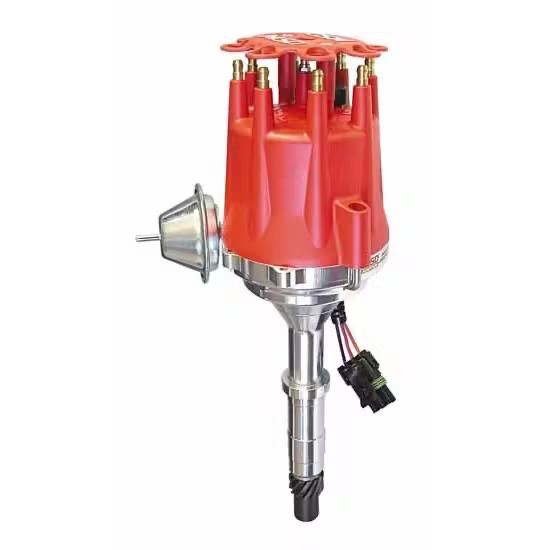
A ready-to-run distributor has its own ignition module, so no separate ignition box is needed and installation takes three wires. For charging, a one-wire alternator replaces the factory harness with a single charge wire, but Tuff Stuff stresses that the wire size is critical: an undersized wire can overheat and cause a fire. Size the charge wire to the alternator's output, and note that a one-wire unit usually cannot drive a dash warning light.
Components are inspected and documented before shipping. For complete engines see crate engines; for chassis and interior parts see auto parts.
Ordering engine components
- How are these units inspected before shipping?
- Every unit is inspected and documented before it is palletized. Engines and motors receive a compression check where the design allows, and the recorded condition notes ship with the unit.
- What does freight cost and how long does delivery take?
- Insured European road freight starts at €89.00 for standard units and €149.00 above €2,000.00, priced by delivery zone across the UK and Continental Europe. Handling is 1–2 business days. Transit is typically 1 to 6 business days (1–3 business days UK, 3–6 business days Continental Europe). Depending on your exact location and carrier route it can take up to 10 business days. See our freight shipping policy.
- Can I return a unit if it is not right?
- Yes, within 30 days of delivery under our refund and return policy. Remorse returns carry a 15% restocking fee and return freight; defective or damaged units are covered by us.
- Should I choose a dual-plane or single-plane intake manifold?
- For most street engines a dual-plane intake is the usual choice. Weiand designs its dual-plane Street Warrior for stock to street-performance engines up to a maximum of 5,500 rpm. If your combination is built to make power above the range a dual-plane manifold is rated for, compare the rpm range listed for single-plane designs with your camshaft specification.
- Is this intake manifold street legal in California?
- On an emissions-controlled vehicle, only if the part has a CARB Executive Order that covers it. California Vehicle Code Section 27156 prohibits modifying required pollution control devices, and California's Smog Check program refers to CARB's list of approved aftermarket parts with Executive Orders. Manifolds labeled not legal for vehicles with pollution-control equipment should not be installed on one.
- How do I break in a new flat-tappet camshaft?
- Start the engine and hold it between 2,000 and 2,500 rpm for the first 30 minutes, varying speed within that range, then change the oil and filter. COMP Cams also recommends removing inner valve springs during break-in and using oil with proper ZDDP levels. Pre-lube the lobes, distributor gear and lifter faces with the supplied assembly lube before installation.
- Do I need an ignition box with a ready-to-run distributor?
- No, a ready-to-run distributor has a built-in ignition module, so a separate ignition control is not required. MSD describes installation as three wires to connect with the supplied harness. Confirm the listing matches your engine family before ordering, since distributors are specific to the block they fit.
- What wire size does a one-wire alternator need?
- The charge wire must be sized to the alternator's maximum output, because an undersized wire can overheat, melt its insulation and start a fire. Tuff Stuff's minimum guide, based on 4-foot cables, runs from 10 gauge for 75 amps to 4 gauge for 200 amps. Trunk-mounted batteries need heavier cable, and the alternator must be well grounded to the block.