In Stock
Welders & Engine-Driven Welding Equipment
MIG, TIG and stick welders plus engine-driven welding generators for shop and field fabrication.
184 listings · page 1 of 8
In Stock
In Stock
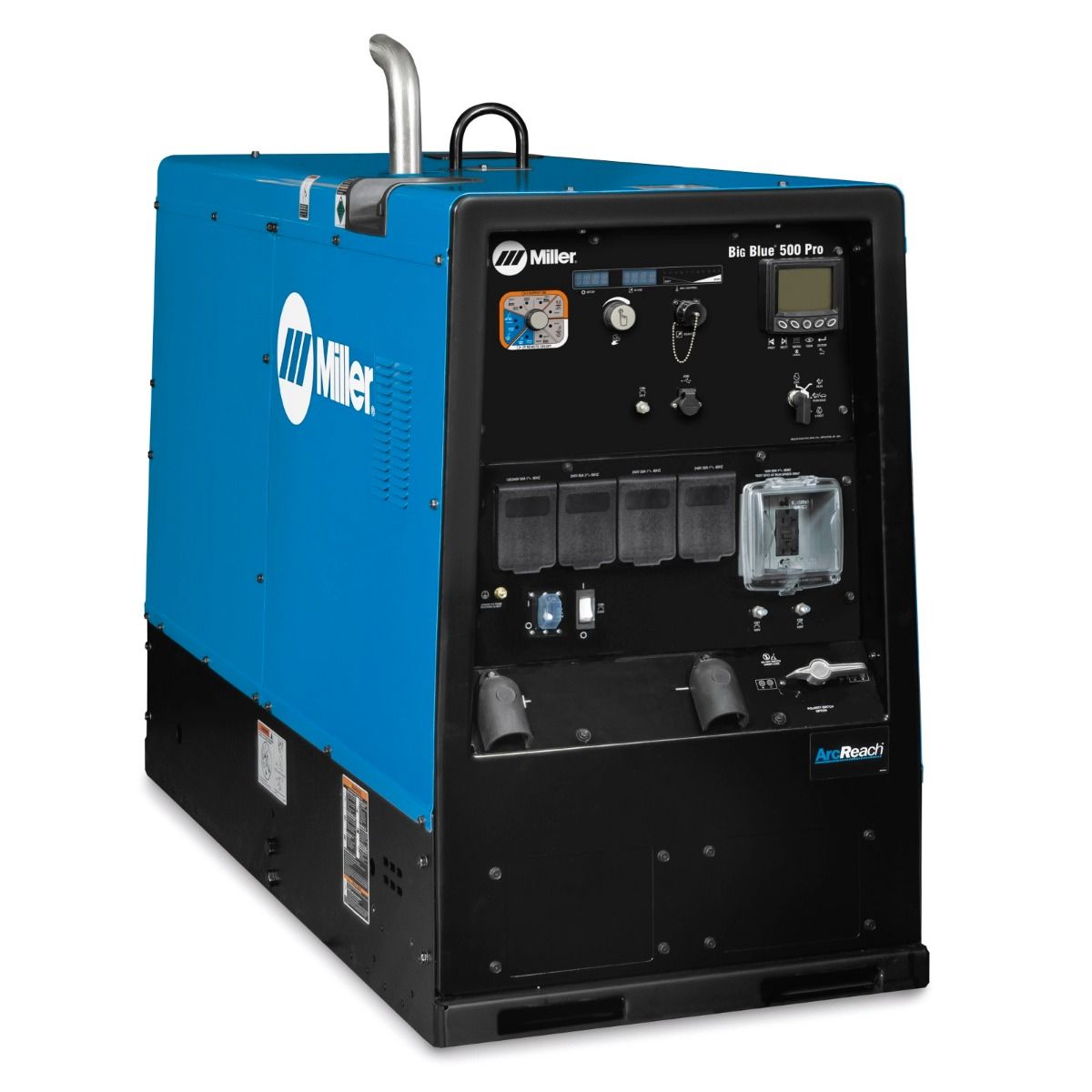
500 Pro Kubota Welder/Generator
In Stock
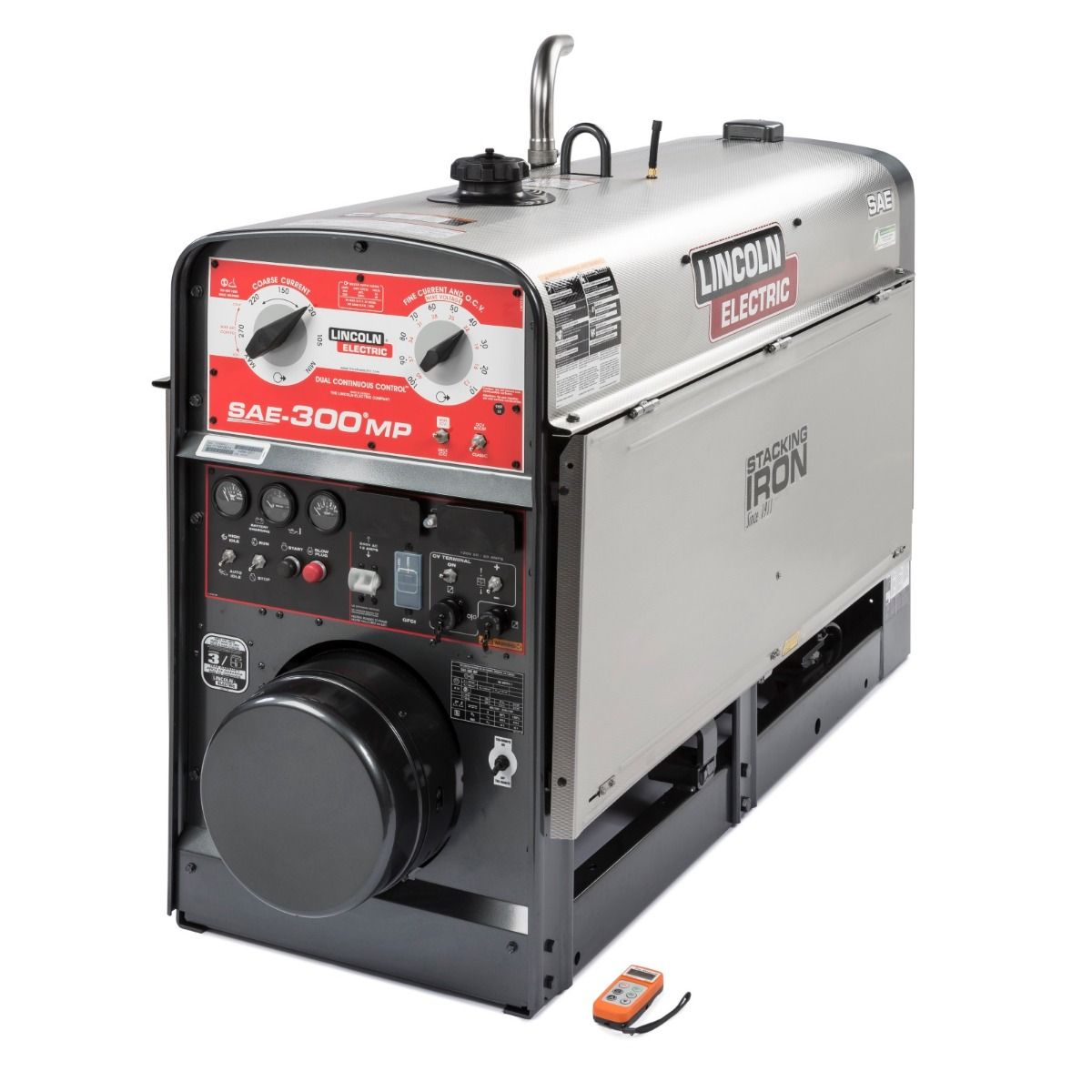
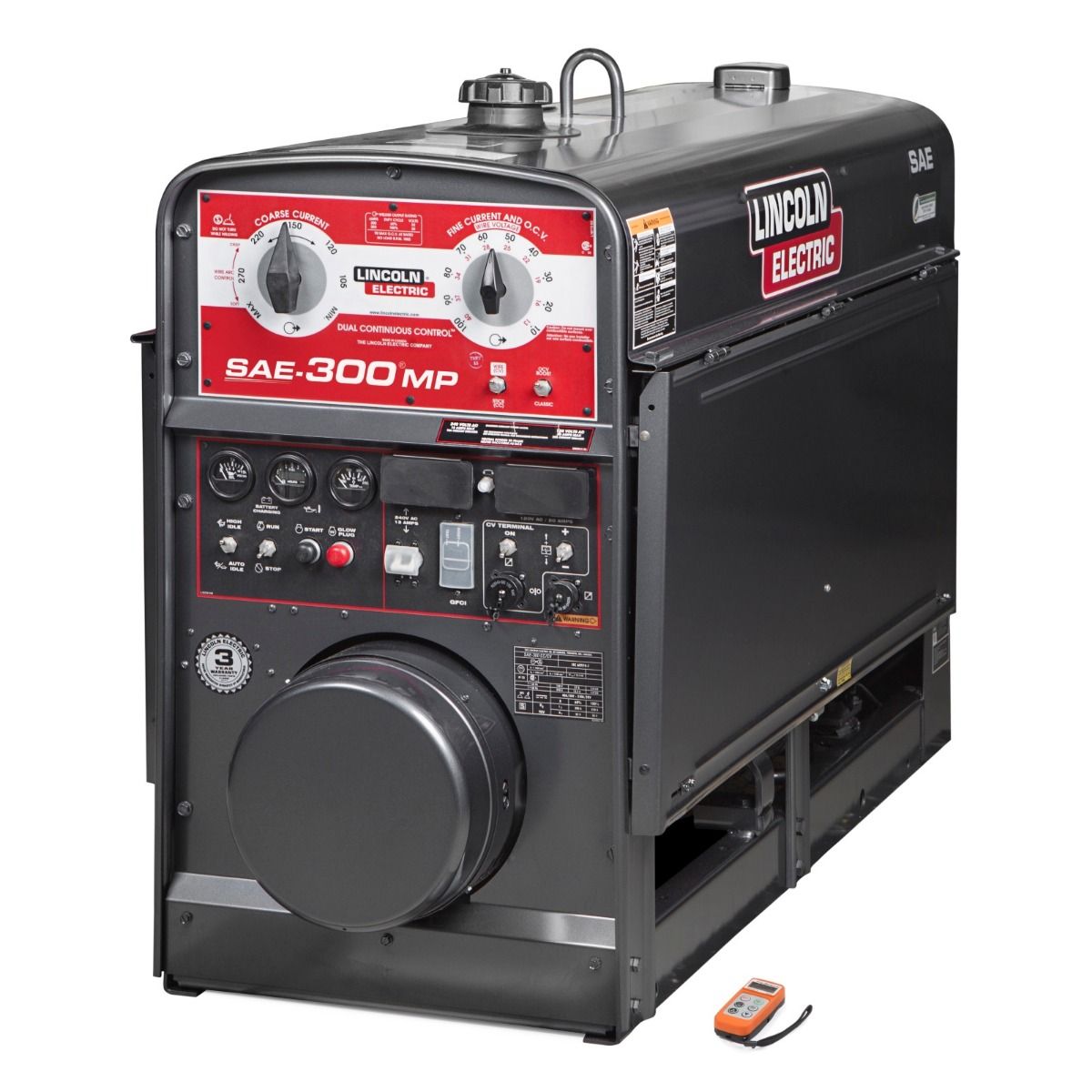
300 MP Welder/Generator
In Stock
300 MP Stainless Welder/Generator
In Stock
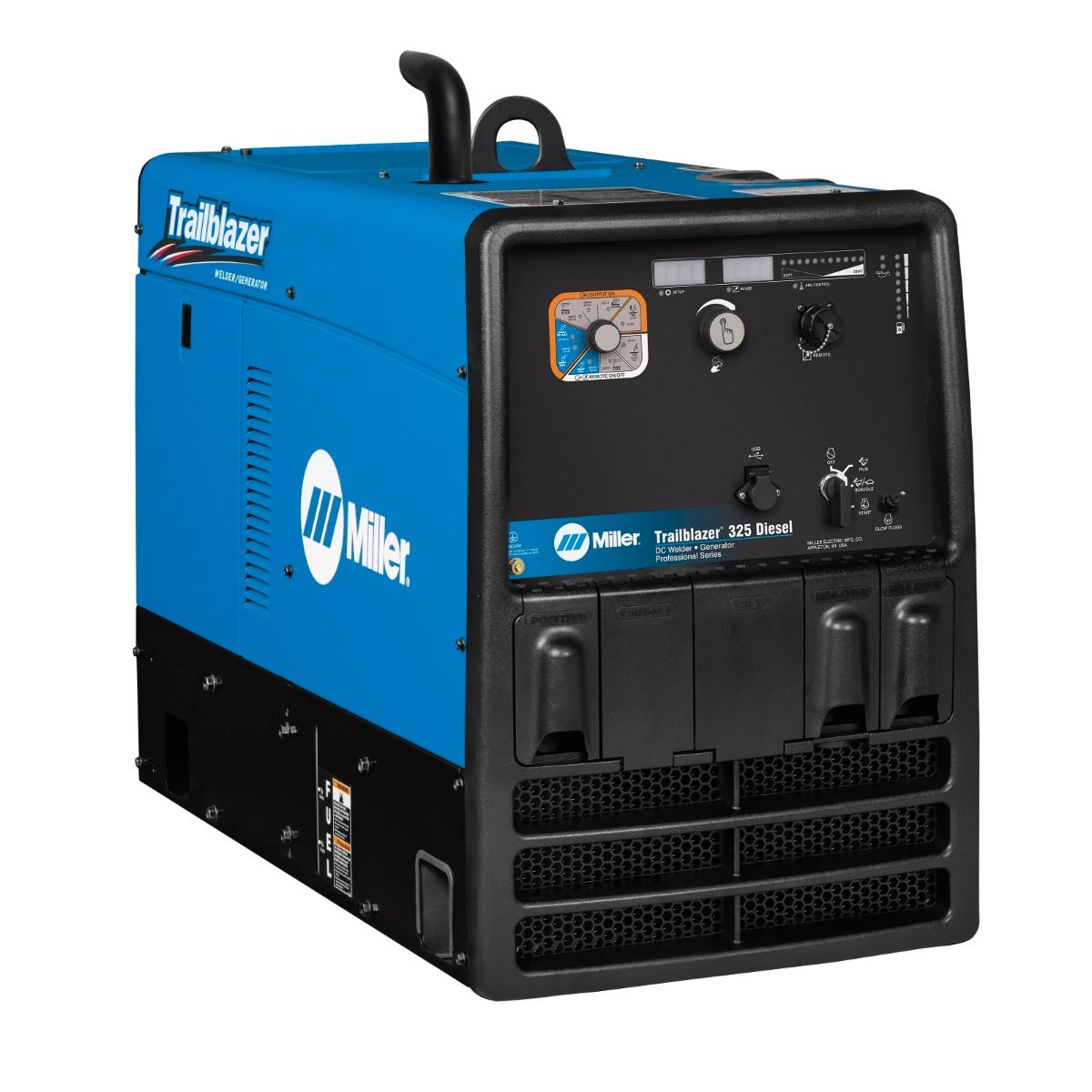
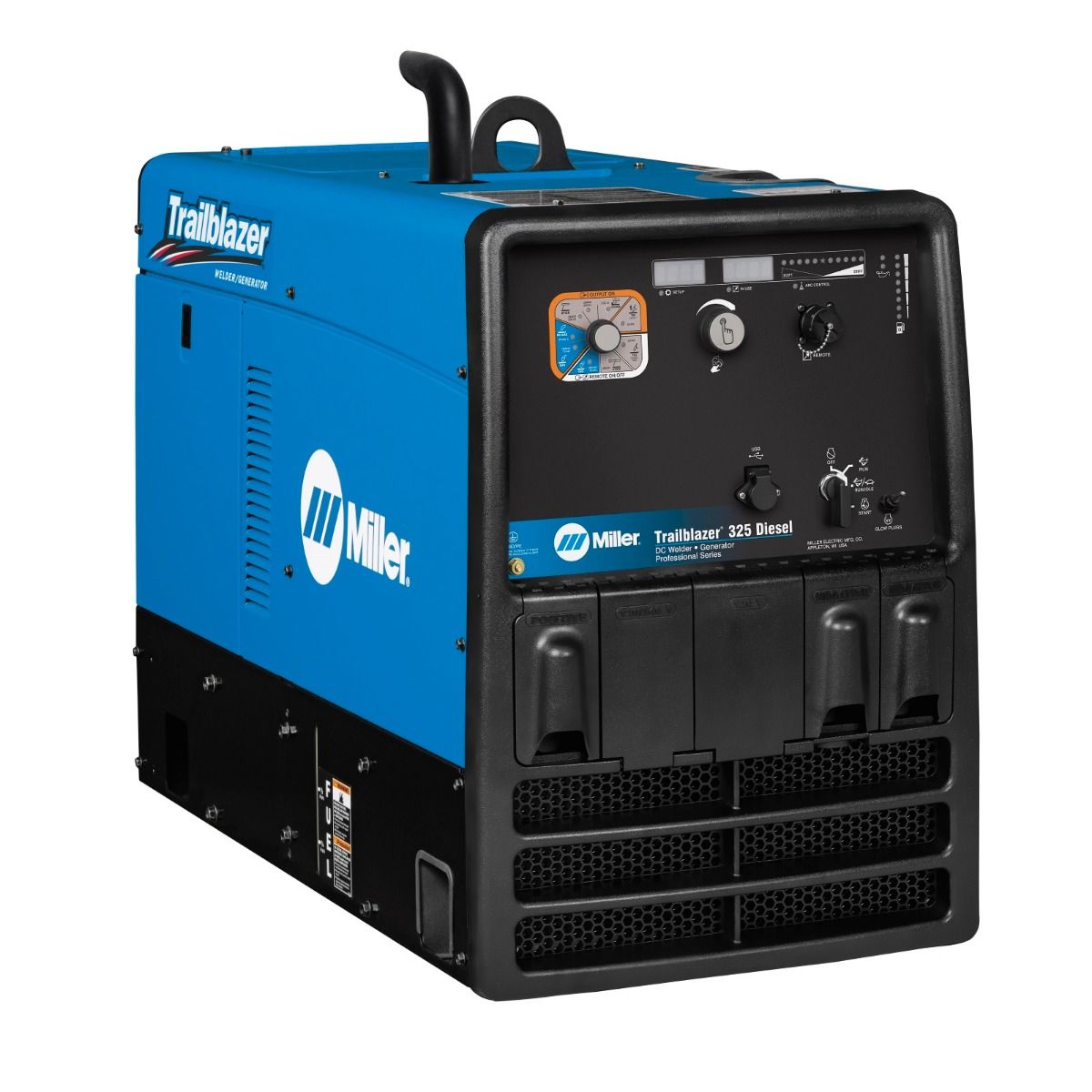
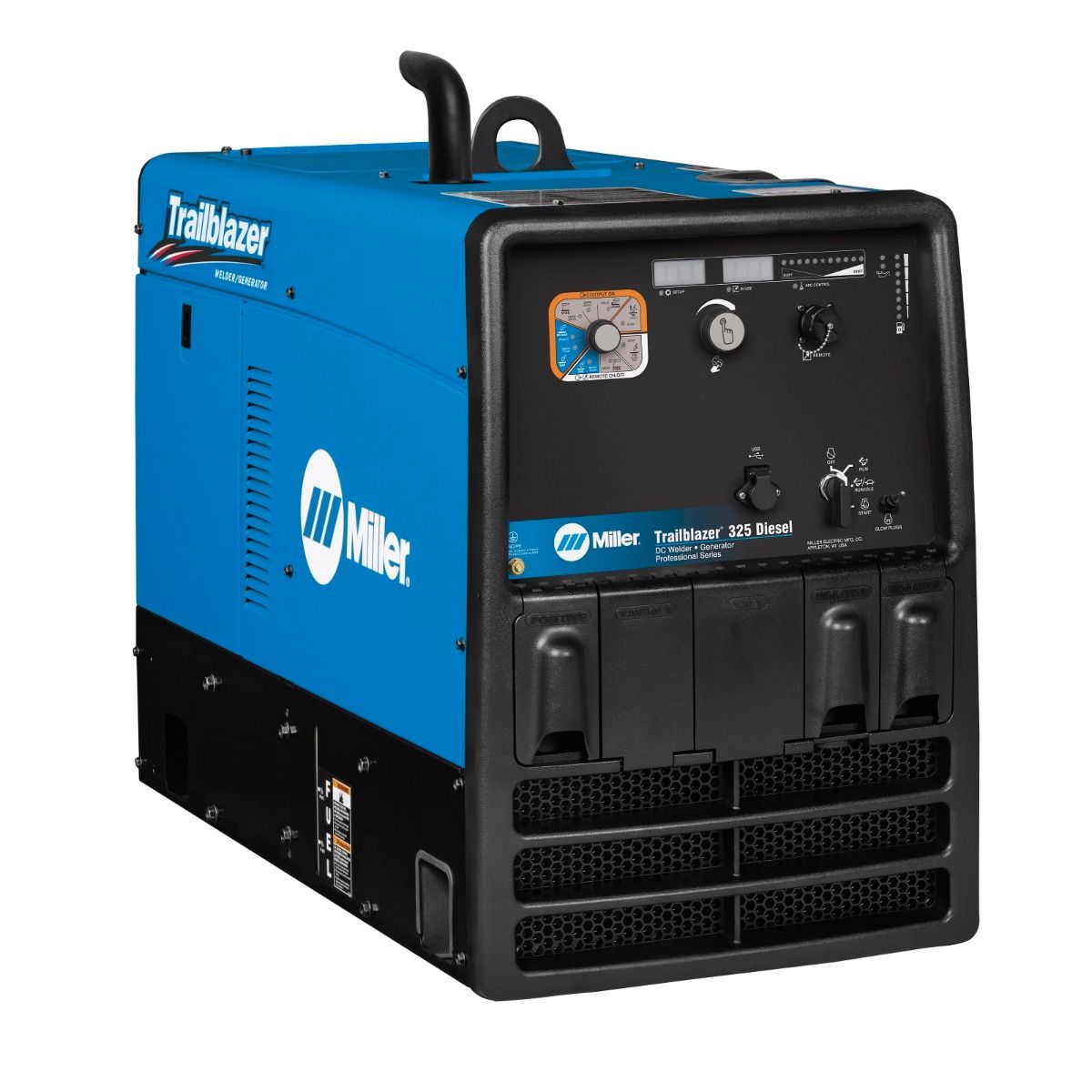
325 Kubota Diesel Generator W
In Stock
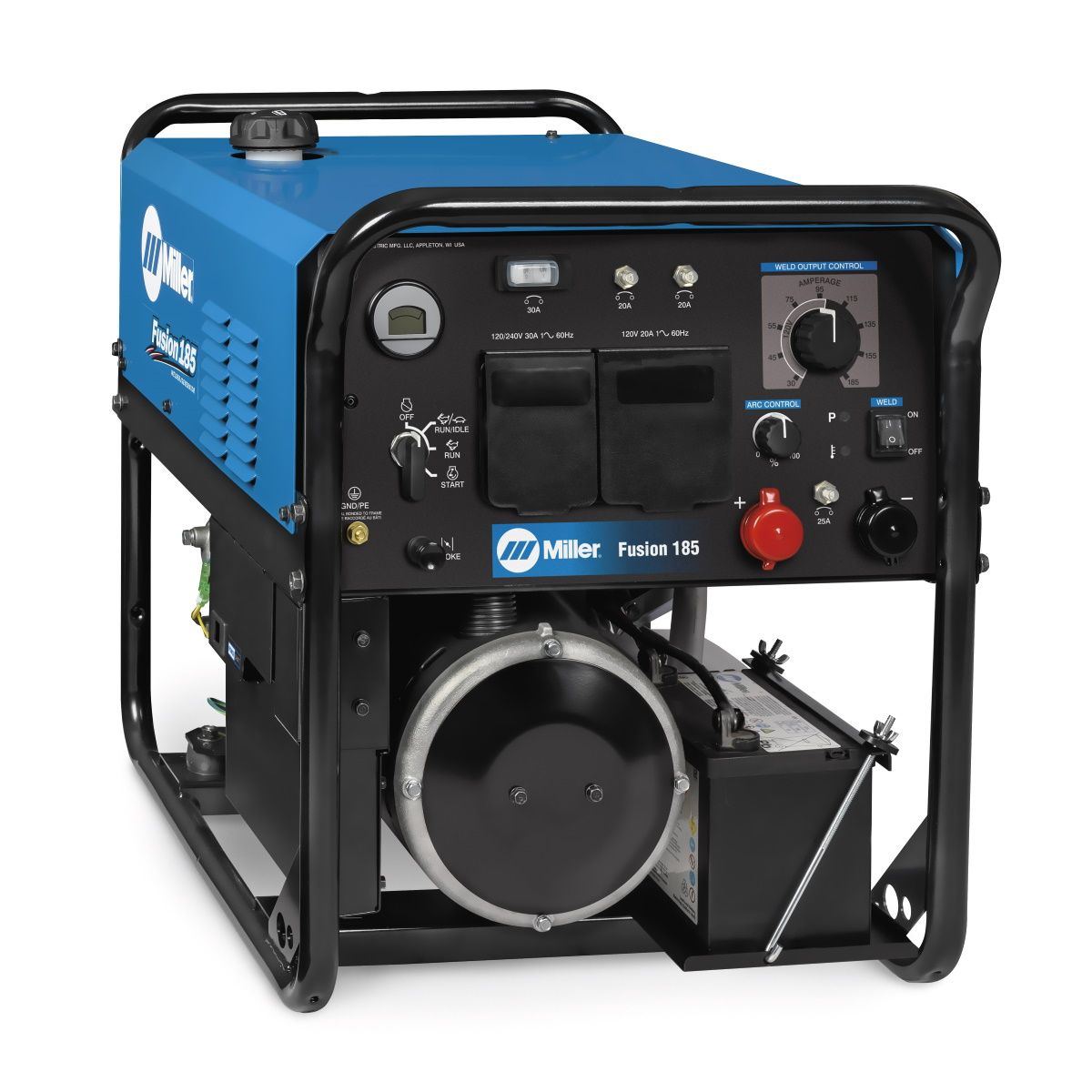
Miller Fusion 185 Welder/Generator
In Stock
302 Kohler Air Pak Welder/Generator
In Stock
Kohler Welder/Generator with Gfci
In Stock
185 Engine Welder Generator
In Stock
Air Pak Diesel Welder Generator
In Stock
In Stock
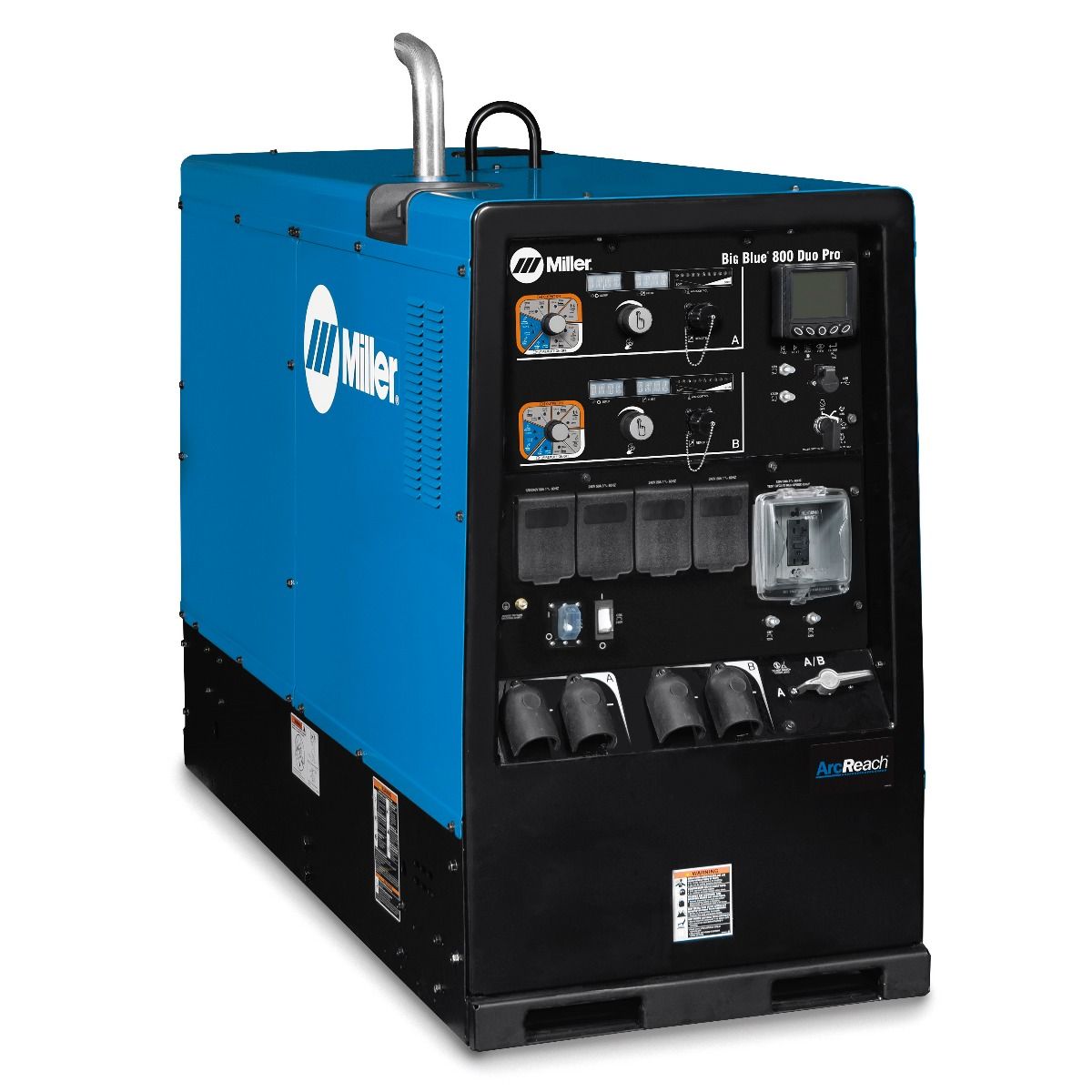
800 Duo Pro Welder/Generator
In Stock
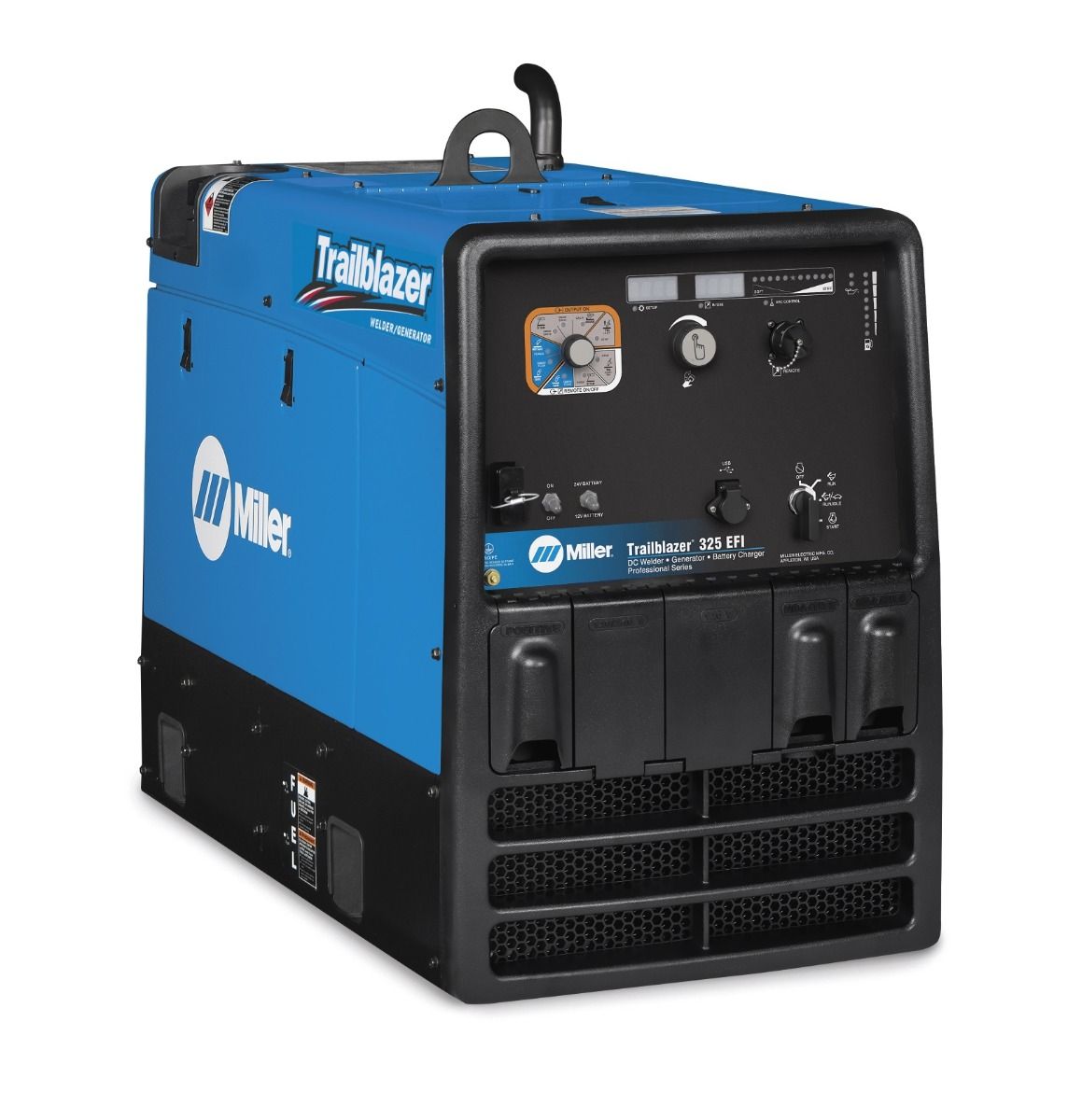
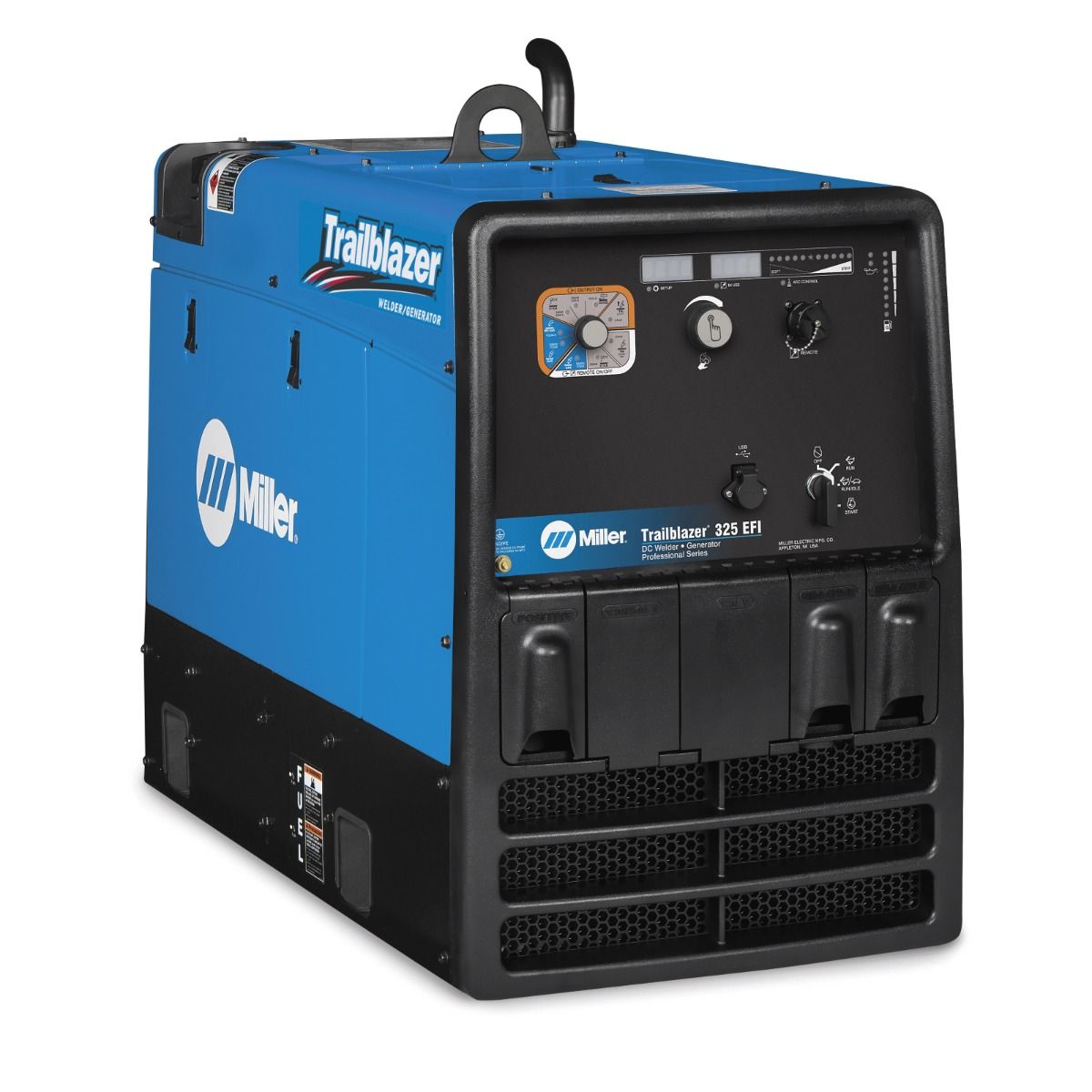
Buy 325 EFI Welder/Generator
In Stock
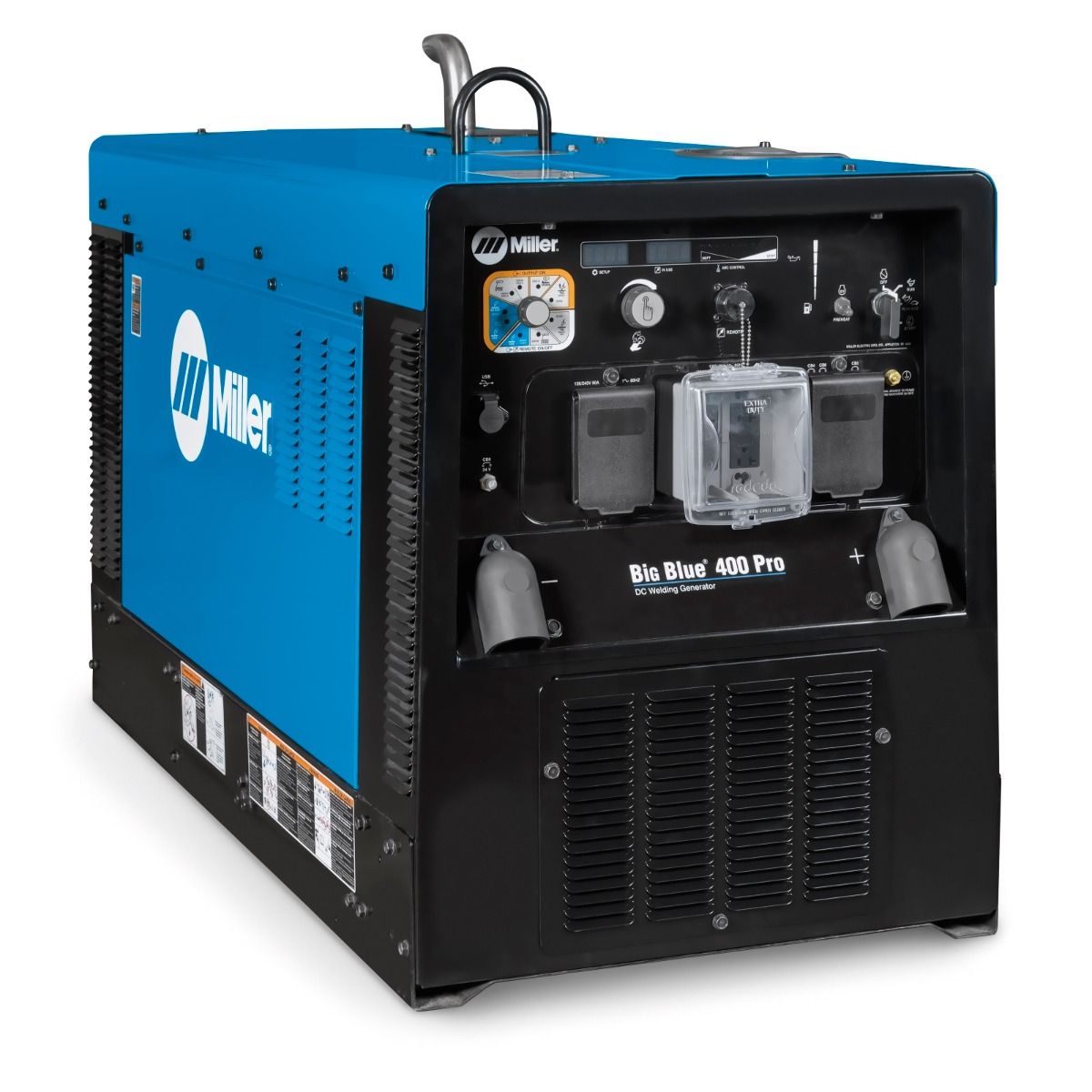
400 Pro Mitsubishi Welder/Generator
In Stock
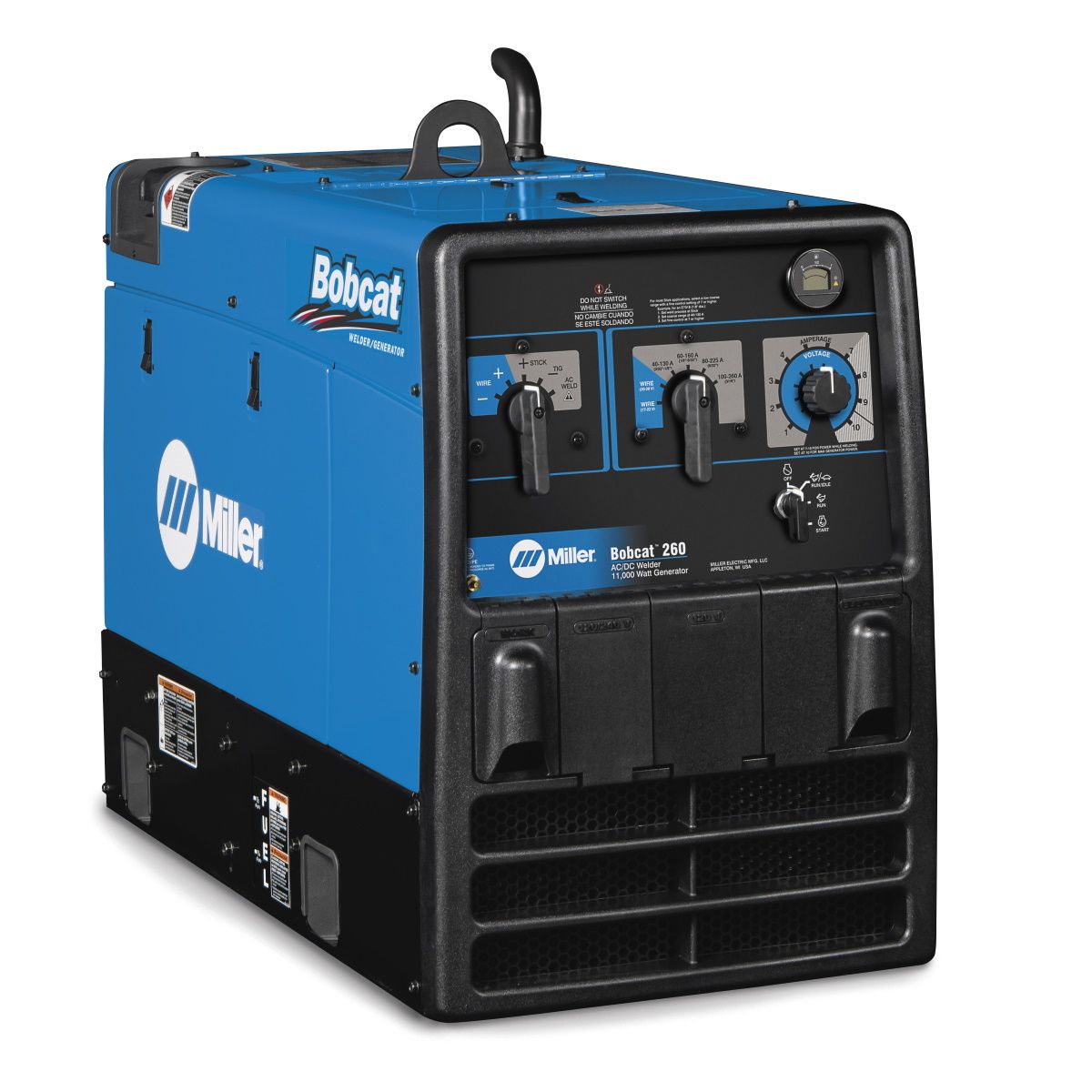
260 Kohler Welder/Generator
In Stock
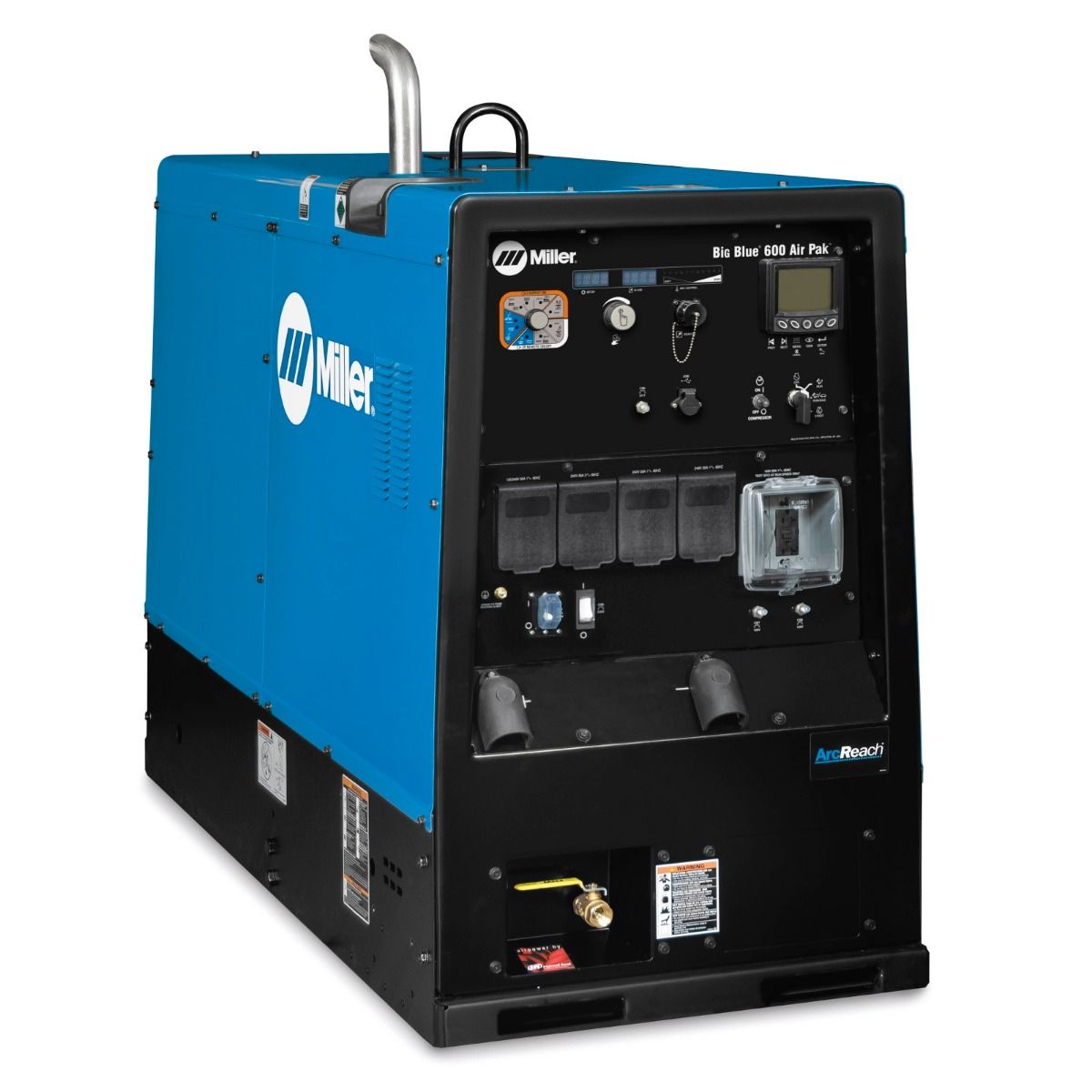
600 Air Pak Welder/Generator
In Stock
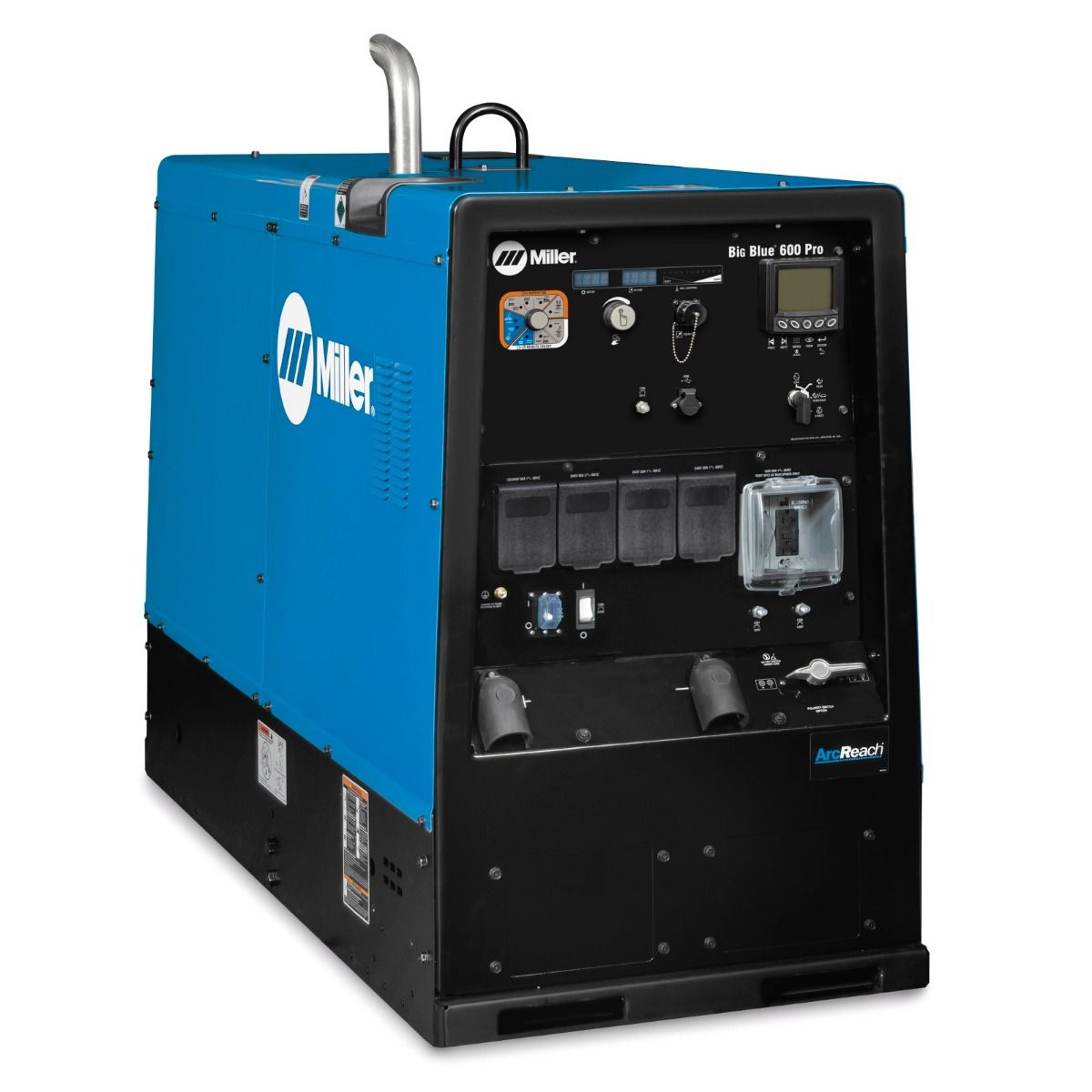
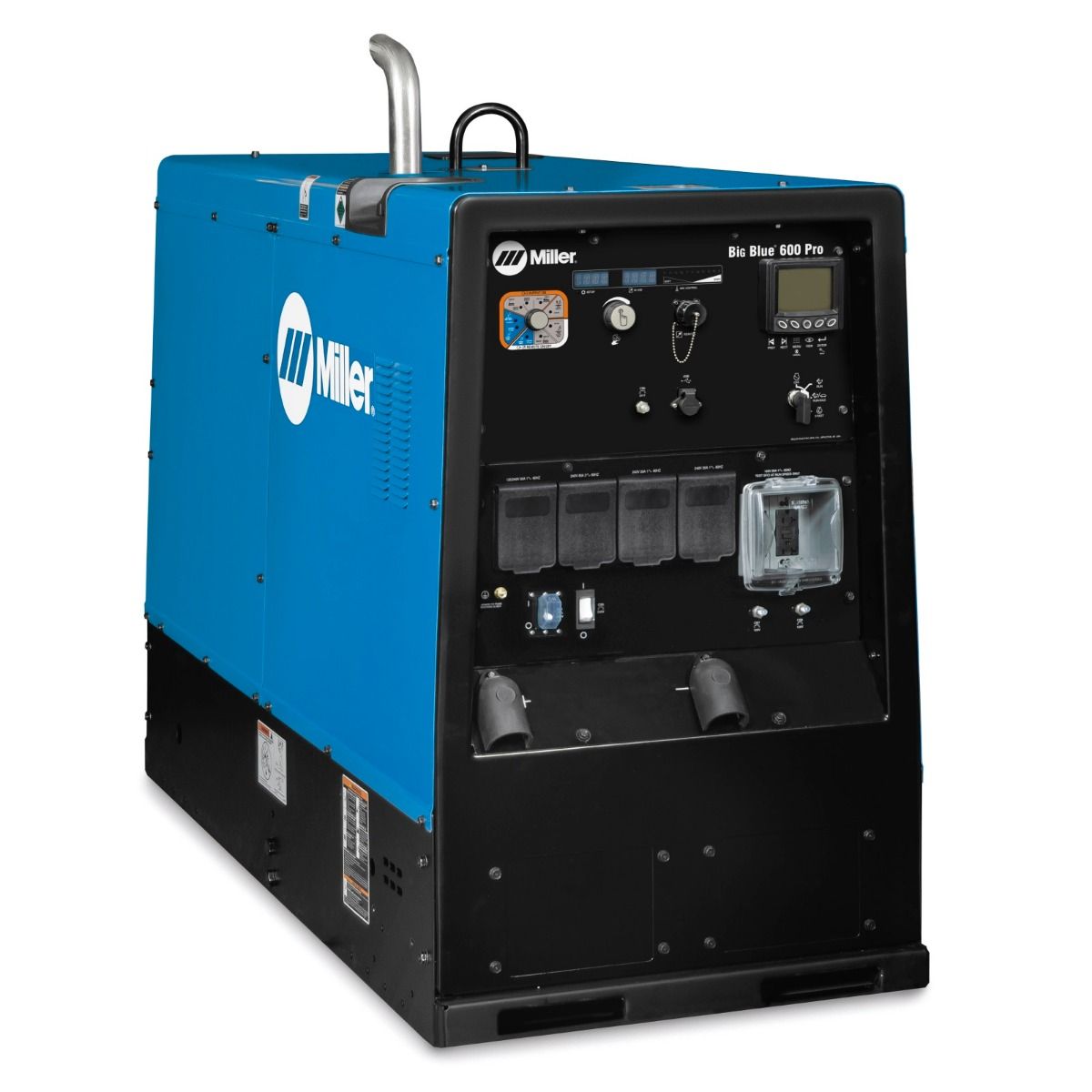
Big Blue 600 Pro Kubota Deluxe W
In Stock
325 Kubota Diesel W/Excel Power
In Stock
In Stock
400 Pro Kubota Welder/Generator
In Stock
325 EFI Kohler Engine Welder/Generator
In Stock
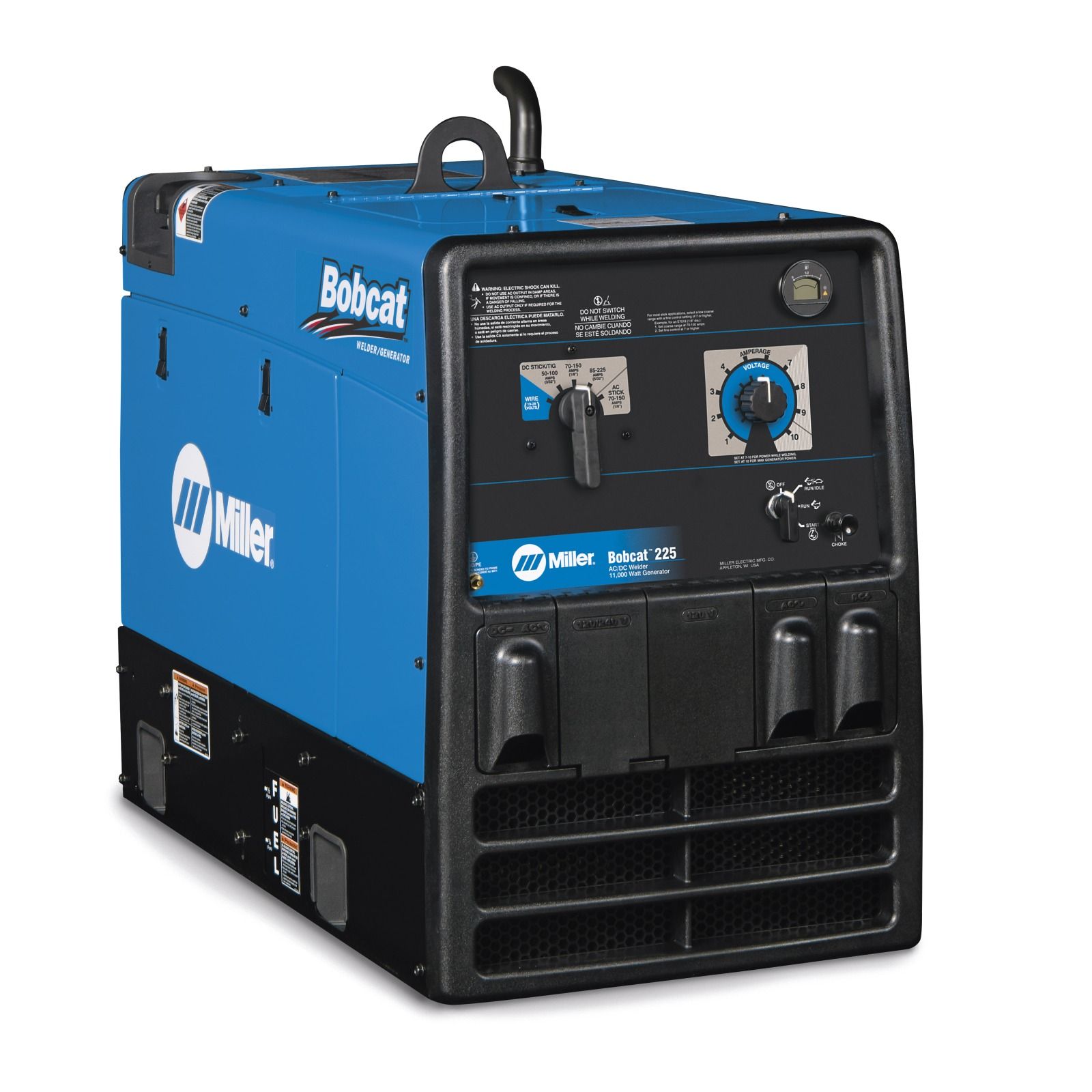
225 Kohler Welder/Generator
In Stock
600 Pro Kubota Welder/Generator
In Stock
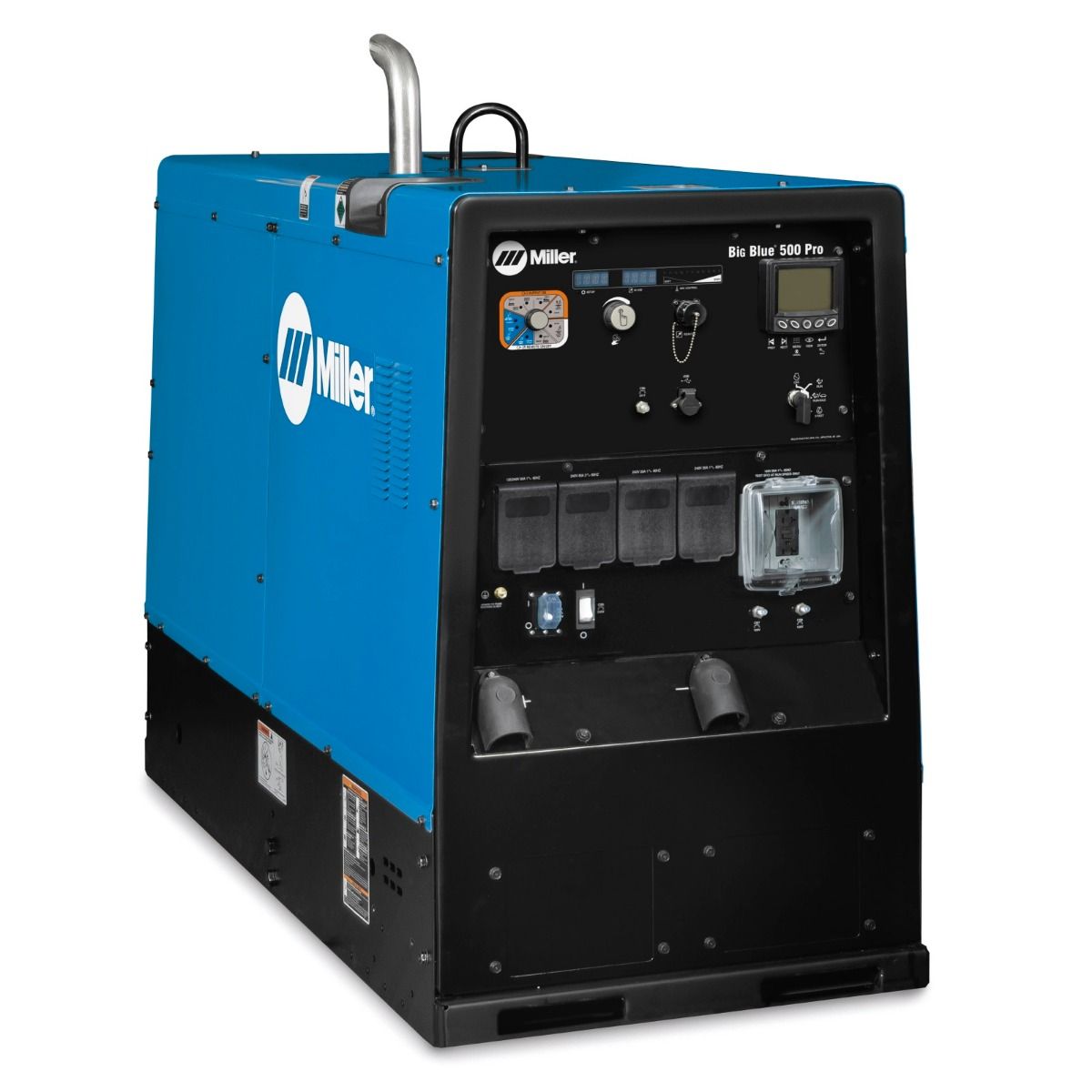
Big Blue 500 Pro Kubota Deluxe Welder
How to choose a welder
Choose the welding process first, then match the machine to the power you have, then size the amperage and duty cycle to your thickest regular job. This department carries MIG, TIG, stick and multiprocess machines from Miller, Lincoln Electric, Hobart and ESAB, plus engine-driven welder/generators and industrial wire-feed systems. What you weld and where you weld it narrows the list quickly.
MIG, TIG or stick
MIG is the usual choice for fabrication, auto body and farm repair. Miller lists it as the easiest process to learn, with high welding speeds, better control on thin metal and clean welds with no slag. Loaded with self-shielded flux-cored wire, a MIG machine needs no shielding gas, because the flux in the wire protects the arc.
TIG gives the most precise, neatest welds, with heat adjusted from a foot or hand control, but it is slower and harder to master. If aluminum is on your list, look for AC output: Miller calls an AC TIG inverter ideal for welding aluminum. A DC-only TIG machine covers steel and stainless.
Stick is the field process. It handles wind, dirty or rusty steel and thick material, but Miller limits it to metal no thinner than 18 gauge, and the finished welds need cleaning.
Multiprocess machines and CC/CV output
A multiprocess welder lets you switch processes without buying several machines. The output type explains why: stick and TIG use constant current (CC), while MIG and flux-cored use constant voltage (CV). A machine listed as CC/CV covers both families. When comparing packages, check what is bundled, such as a TIG torch, foot control, spool gun, wire feeder or running gear, since the same power source is often sold in several configurations.
Input power
Match the machine to the outlet in your shop. Compact MIG and multiprocess units run on 120 or 240 volt household current, and 240 V raises their capacity: Miller rates the Millermatic 211 for 3/16-inch material on 120 V and 3/8-inch on 240 V. Industrial power sources such as the Miller Deltaweld 500 need three-phase input, so confirm your service before ordering one. Miller machines marked Auto-Line accept any primary voltage within their range, single- or three-phase.
Duty cycle and amperage
Duty cycle is the number of minutes out of a 10-minute period a welder can run at its rated output. At lower amperage the usable time goes up, so compare duty cycle at the current you will actually use. Thicker material needs more amps. Inverter machines raise the frequency of the incoming power, which allows a smaller machine for the same job.
Engine-driven welder/generators
Where there is no shop power, an engine-driven unit supplies its own welding output plus auxiliary power for tools and lights, and many owners keep one in a truck bed. Miller's engine drives support MIG, TIG, stick and flux-cored welding, and its Big Blue line uses low-speed diesel engines for field, fleet and construction work. Compare auxiliary output, receptacles, and the fuel your jobsite or fleet already uses.
Each unit is inspected and documented before it ships palletized by LTL freight within the continental US. See shipping for details, or browse every department from the shop. Questions about a specific listing can go through our contact page.
Ordering welding equipment
- How are these units inspected before shipping?
- Every unit is inspected and documented before it is palletized. Engines and motors receive a compression check where the design allows, and the recorded condition notes ship with the unit.
- What does freight cost and how long does delivery take?
- Insured European road freight starts at €89.00 for standard units and €149.00 above €2,000.00, priced by delivery zone across the UK and Continental Europe. Handling is 1–2 business days. Transit is typically 1 to 6 business days (1–3 business days UK, 3–6 business days Continental Europe). Depending on your exact location and carrier route it can take up to 10 business days. See our freight shipping policy.
- Can I return a unit if it is not right?
- Yes, within 30 days of delivery under our refund and return policy. Remorse returns carry a 15% restocking fee and return freight; defective or damaged units are covered by us.
- What type of welder should a beginner buy?
- A MIG welder is the usual starting point, because Miller describes MIG as the easiest welding process to learn and it produces clean welds with no slag. A compact machine that runs on 120 or 240 volt household current covers sheet metal and light fabrication. If you expect to add stick or TIG later, a multiprocess MIG machine saves buying a second welder.
- What does a 60 percent duty cycle mean on a welder?
- It means the welder can run for six minutes out of every ten at the amperage the rating is quoted for, then needs the remaining four minutes to cool. Duty cycle is always tied to a specific output, and at lower amperage the usable time increases. Compare machines at the current you expect to weld with, not only at their maximum.
- Do I need a separate welder to TIG weld aluminum?
- You need a TIG machine with AC output, which is why Miller calls an AC TIG inverter ideal for welding aluminum. DC-only TIG and stick/TIG machines are built for steel and stainless. Several AC/DC TIG welders and AC/DC multiprocess machines in this department cover aluminum, so check the listing for AC capability before you buy.
- Can I weld outdoors without a shielding gas bottle?
- Yes, with self-shielded flux-cored wire or stick electrodes. Self-shielded flux-cored wire does not need shielding gas because the flux in the wire protects the arc, and stick welding is well suited to windy outdoor work. Both are common choices for farm, fence and field repairs, and an engine-driven welder adds power where there is no outlet.
- What does CC/CV mean on a multiprocess welder?
- CC/CV means the machine can supply both constant current and constant voltage output. Stick and TIG welding use constant current to hold a consistent arc length, while MIG and flux-cored welding use constant voltage to keep a consistent wire feed speed and a stable arc. A CC/CV power source can therefore run stick, TIG, MIG and flux-cored with the appropriate torch, gun or feeder attached.