 In Stock
Ford Crate Engines
Inspected Ford crate engines in stock and ready to ship, each one documented before it is palletized and dispatched on insured European road freight.
15 listings
Choosing a Ford crate engine
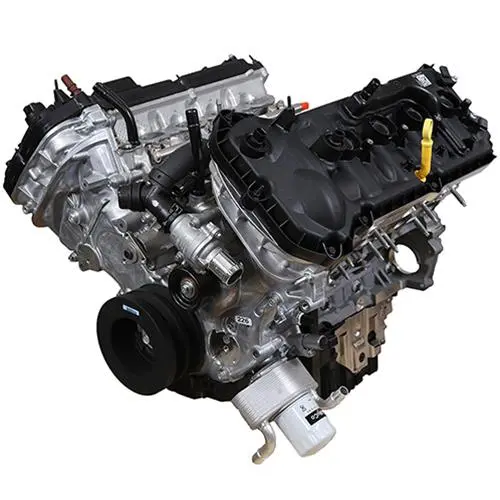
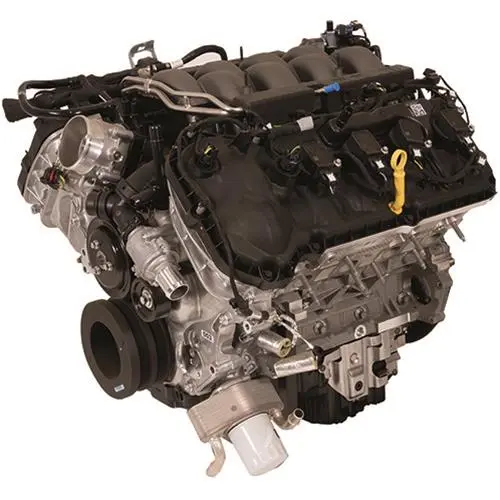
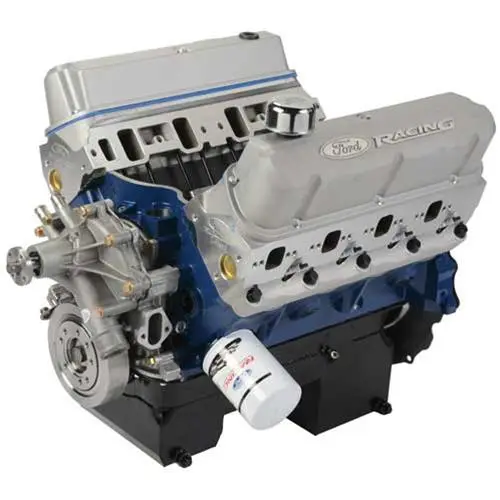
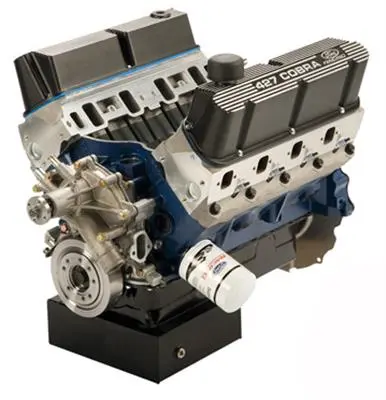
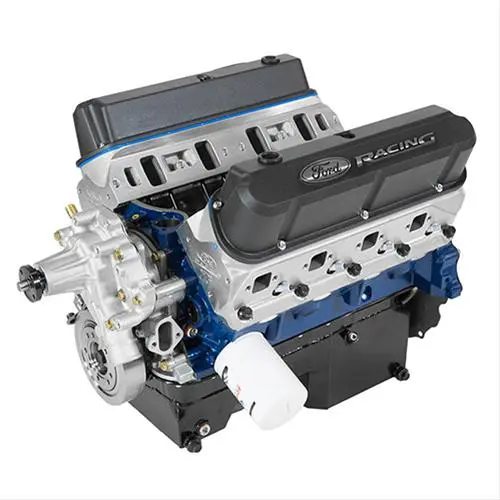
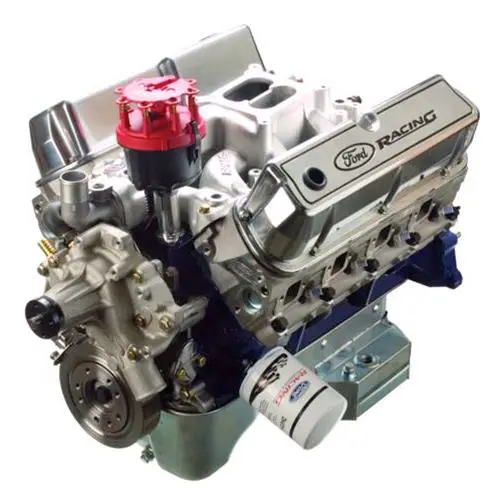
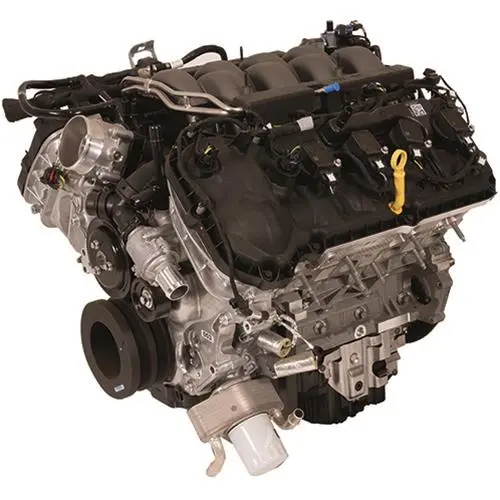
Ford V8 crate engines split into two families that share almost nothing at installation time: pushrod Windsor-pattern small blocks built on Ford Performance's Boss block, and the overhead-cam modular V8s led by the 5.0-liter Coyote. Decide which family your chassis, transmission and budget suit, then choose the power level.
Boss Windsor small blocks: 302 to 460 cubic inches
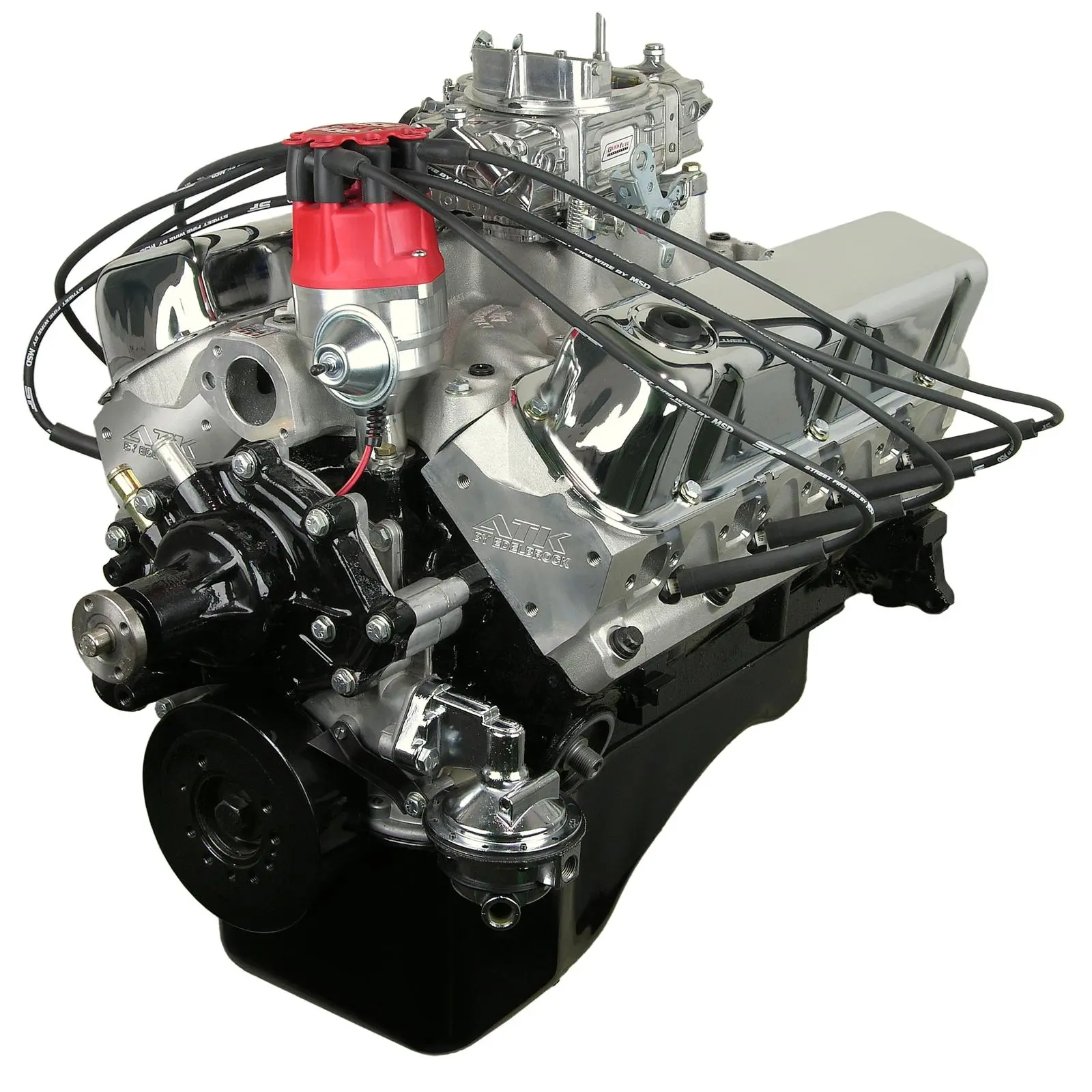
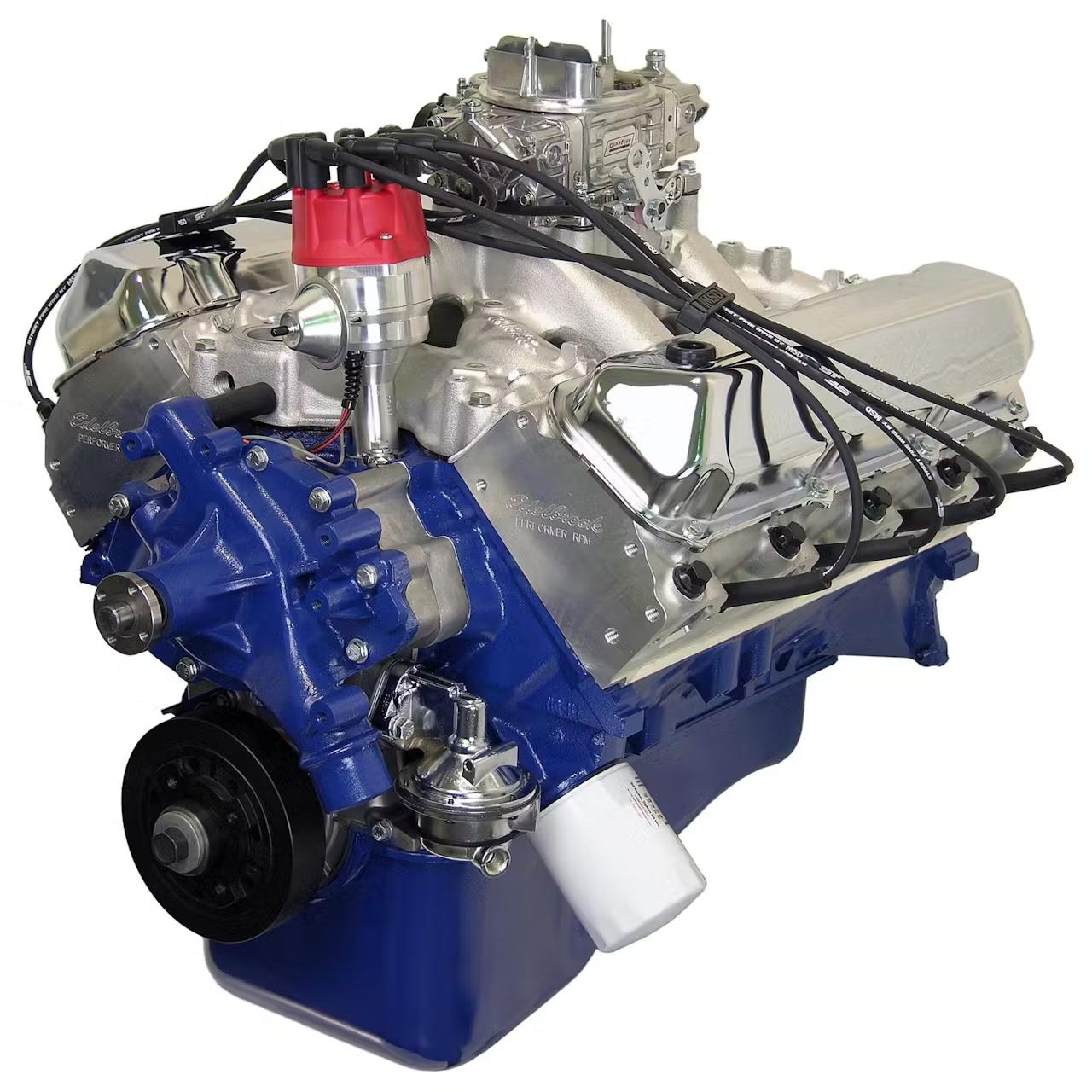
The Boss-block engines are pushrod small blocks, mostly set up for a carburetor and distributor, and Ford lists them for kit cars, street rods, Mustangs, Fox-body cars and trucks. Ford Performance calls the Z460 the biggest small block Windsor crate engine it has built. Read each part list carefully: the Z-series engines are offered with front-sump or rear-sump oil pans for different crossmembers, and Ford notes some of them do not include an intake manifold or distributor.
Coyote and other modular engines
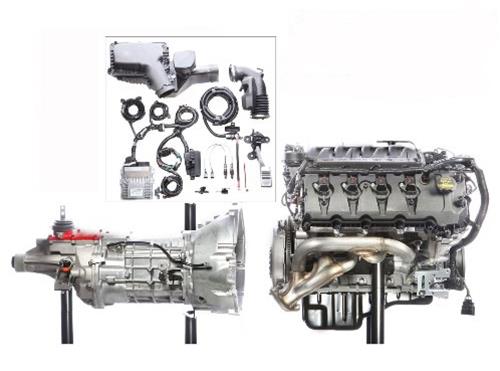
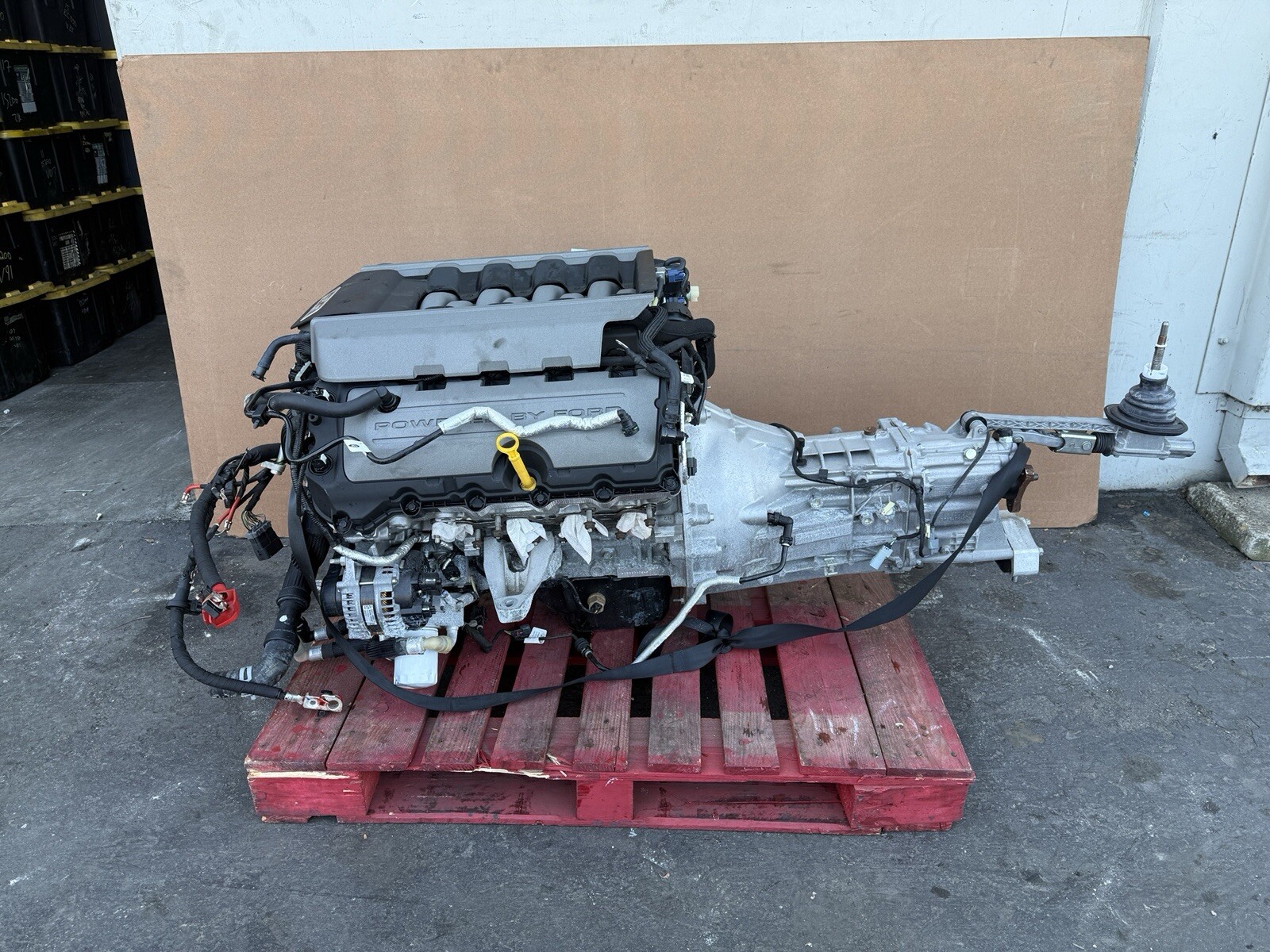
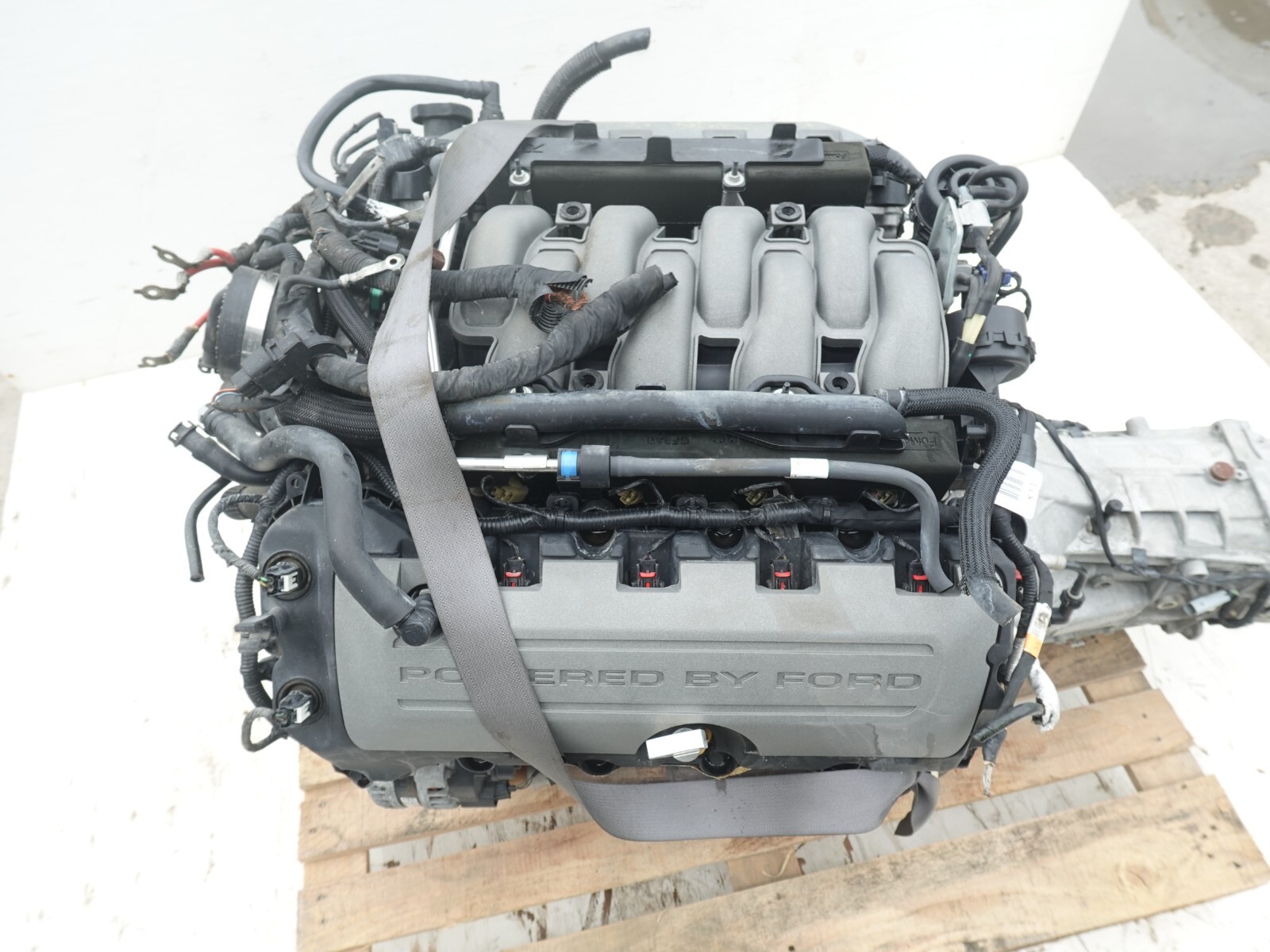
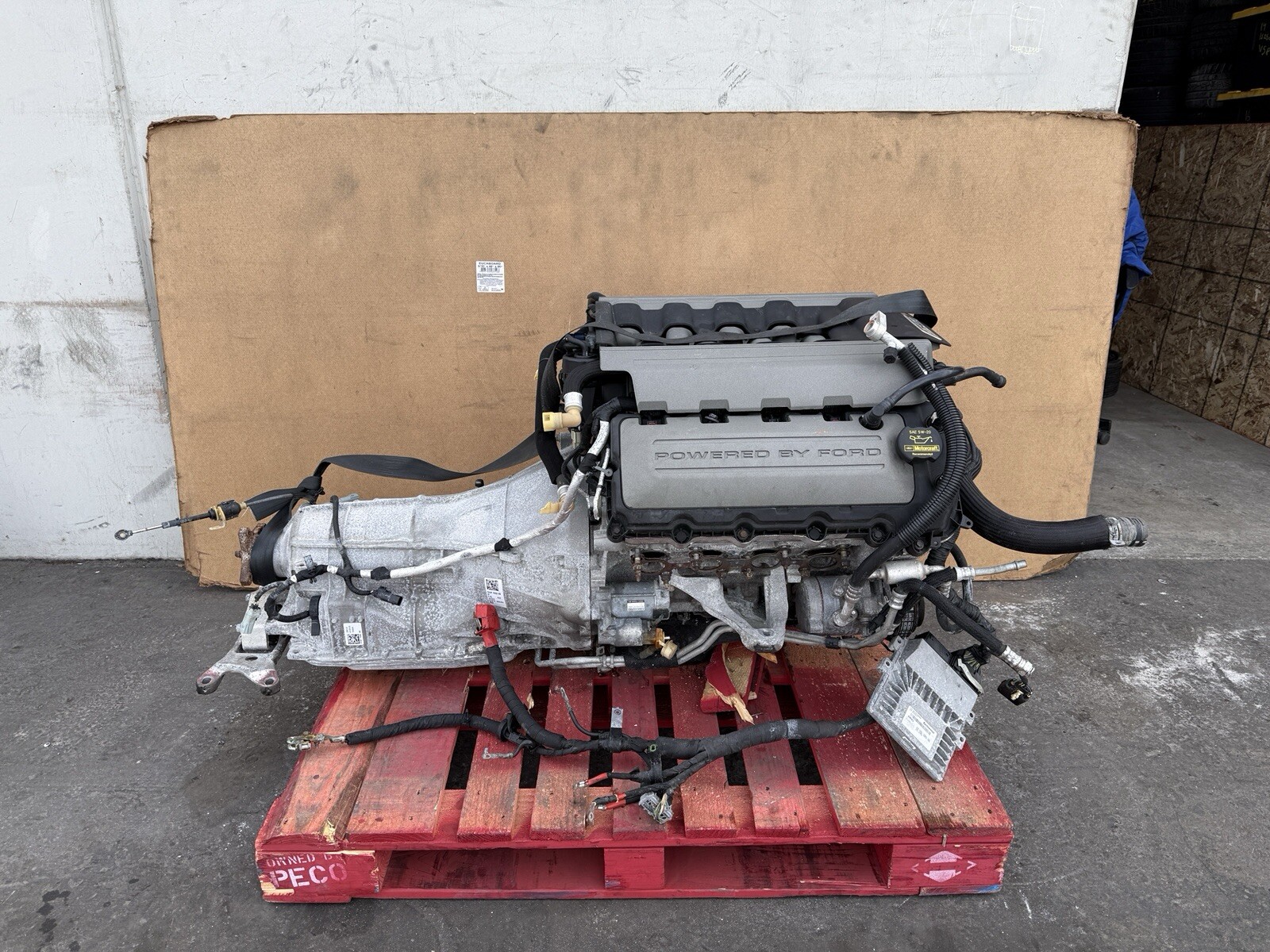
Ford describes the Coyote as an all-aluminum 32-valve DOHC V8 with direct and port fuel injection and twin independent variable cam timing. It uses the bellhousing pattern common to 5.0-liter modular engines, so pick a transmission or bellhousing made for that pattern. A Coyote needs a control pack; Ford Performance lists a specific control pack for its Coyote crate engines, and some, such as the Aluminator 5.2 XS, also call for a custom calibration. The Aluminator line is hand assembled by the technicians who build Ford's Cobra Jet drag racing engines.
Supercharged 5.2-liter
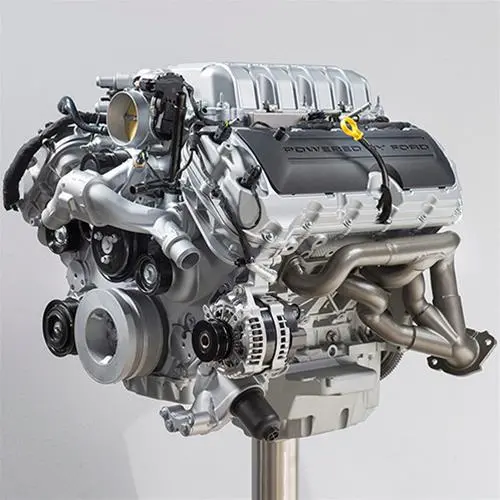
Ford Performance rates its current supercharged 5.2-liter crate engine at 760 hp with its matching control pack, and specifies premium fuel. Treat the fuel system, cooling and drivetrain as part of the purchase.
Sealed racing engines and used factory engines
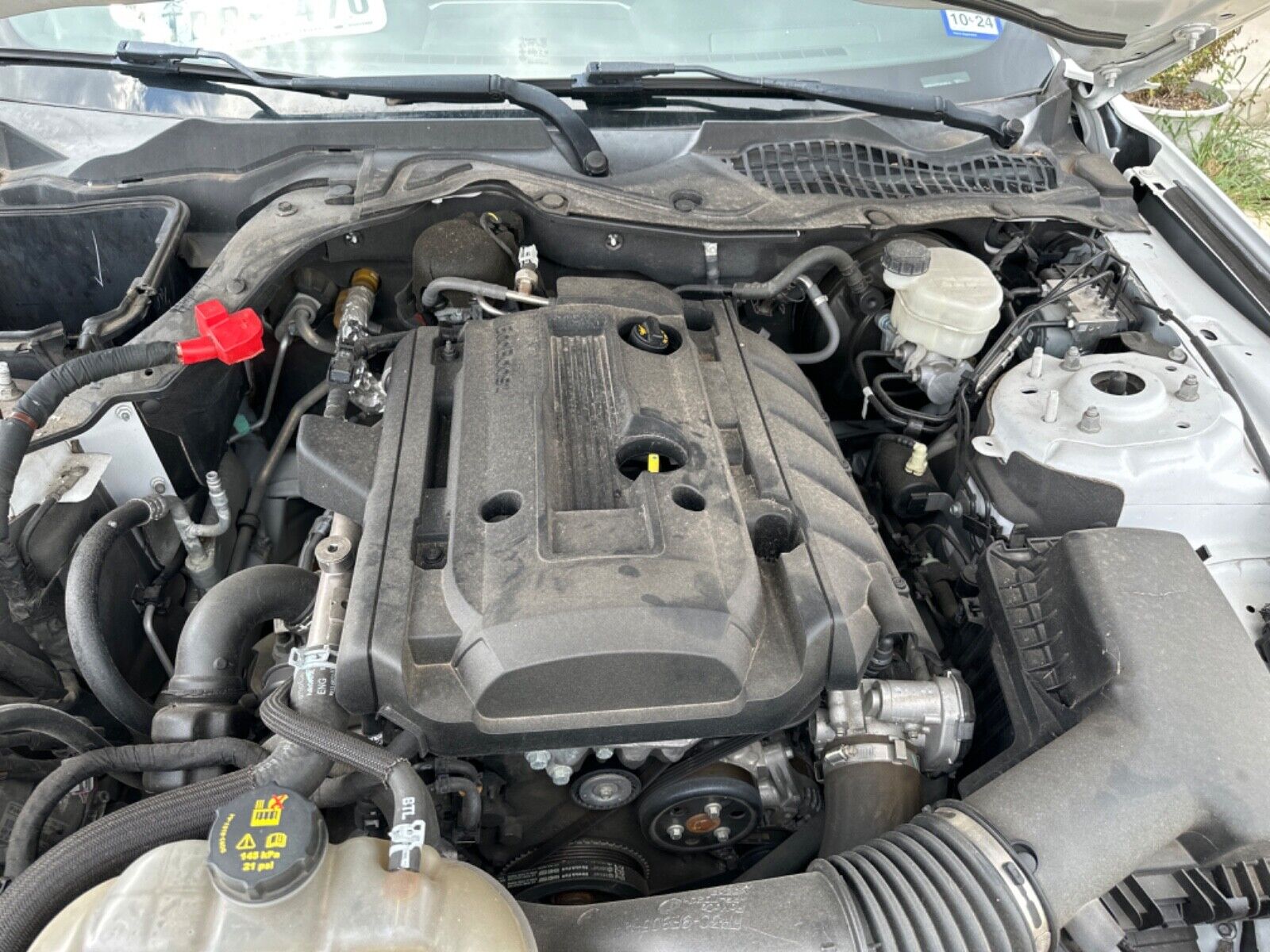
The sealed 347 is built for circle track series that require a sealed crate engine; Ford states it is approved for the American Canadian Tour Late Model series. Used Mustang GT and EcoBoost engines pulled from vehicles are a separate purchase: confirm the engine generation, model year, and whether the harness and computer are included, because Ford's control packs are matched to engine generation.
Ford Performance labels many of these crate engines for competition or off-highway use only. For gearboxes, see transmissions, or compare with Chevrolet crate engines.
Ford crate engines: common questions
- Will a Coyote crate engine bolt to a transmission made for a 302 or 351 Windsor?
- Not without the right bellhousing or adapter. Ford Performance lists the Coyote's bellhousing mount pattern as common to 5.0-liter modular engines, which is a different family from the Windsor small block. Choose a transmission, bellhousing or swap kit that names the Coyote or modular pattern, and confirm clutch and input-shaft details before ordering.
- What is a Ford Performance control pack?
- A control pack is the engine computer, wiring and related parts that run a modern Ford crate engine outside its original vehicle. Ford Performance lists a specific control pack as a requirement for each Coyote and supercharged crate engine it sells, and some engines also need a custom calibration. Order the pack that matches the exact engine part number and transmission type.
- Are Ford Performance Boss crate engines street legal?
- Ford Performance labels its Boss and sealed racing crate engines as designed and intended for competition or off-highway use only, and warns that installing them on a vehicle driven on public roads is likely to violate emissions laws. Check your state's rules before installing one in a registered vehicle.
- What does front sump or rear sump mean on a Ford crate engine?
- It describes where the deep part of the oil pan sits. Ford Performance sells several Boss-block engines in both front-sump and rear-sump versions so the pan clears the crossmember and steering in different chassis. Measure your vehicle or check its original pan style before you choose, because swapping pans and pickups later adds cost.