In Stock
Torqeedo Outboard Motors
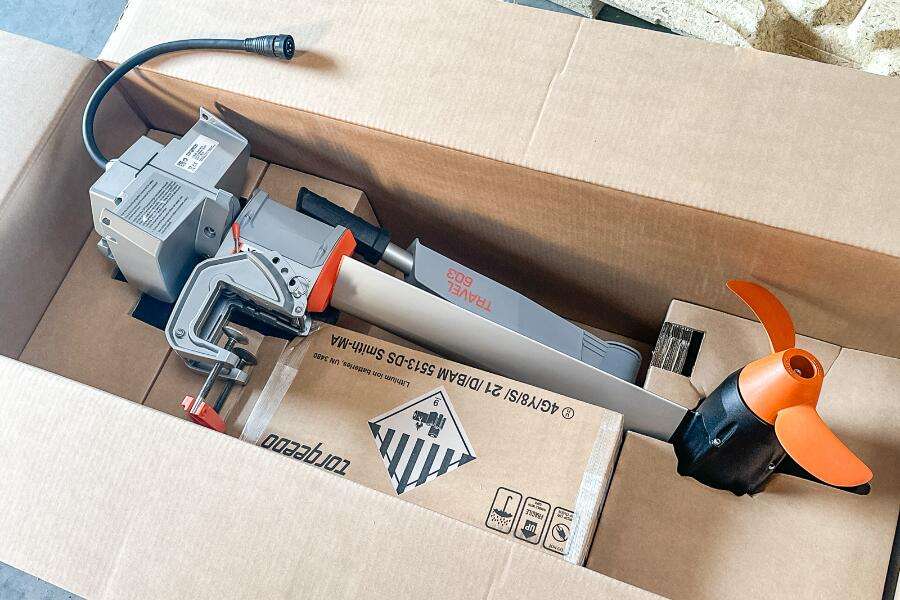
Inspected Torqeedo outboard motors in stock and ready to ship, each one documented before it is palletized and dispatched on insured European road freight.
18 listings
In Stock
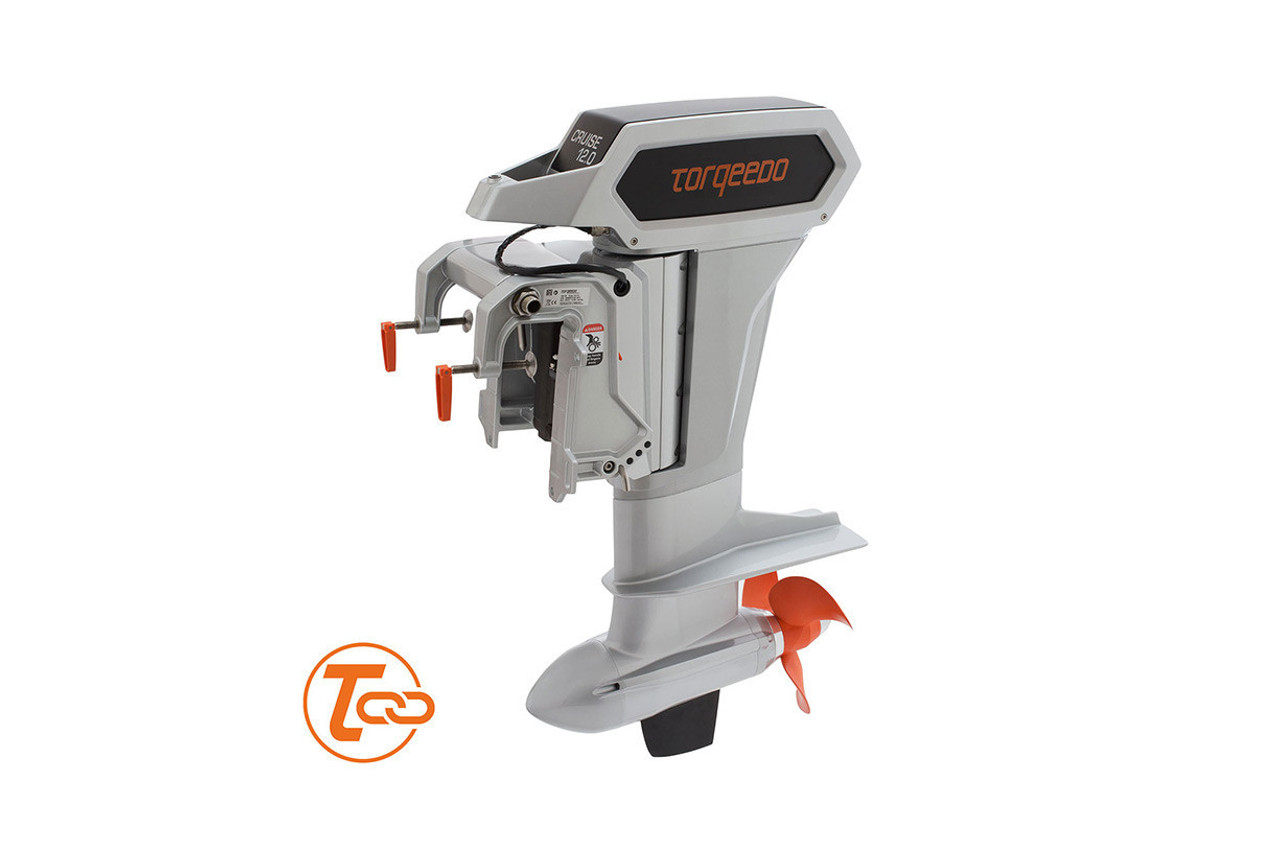
In Stock
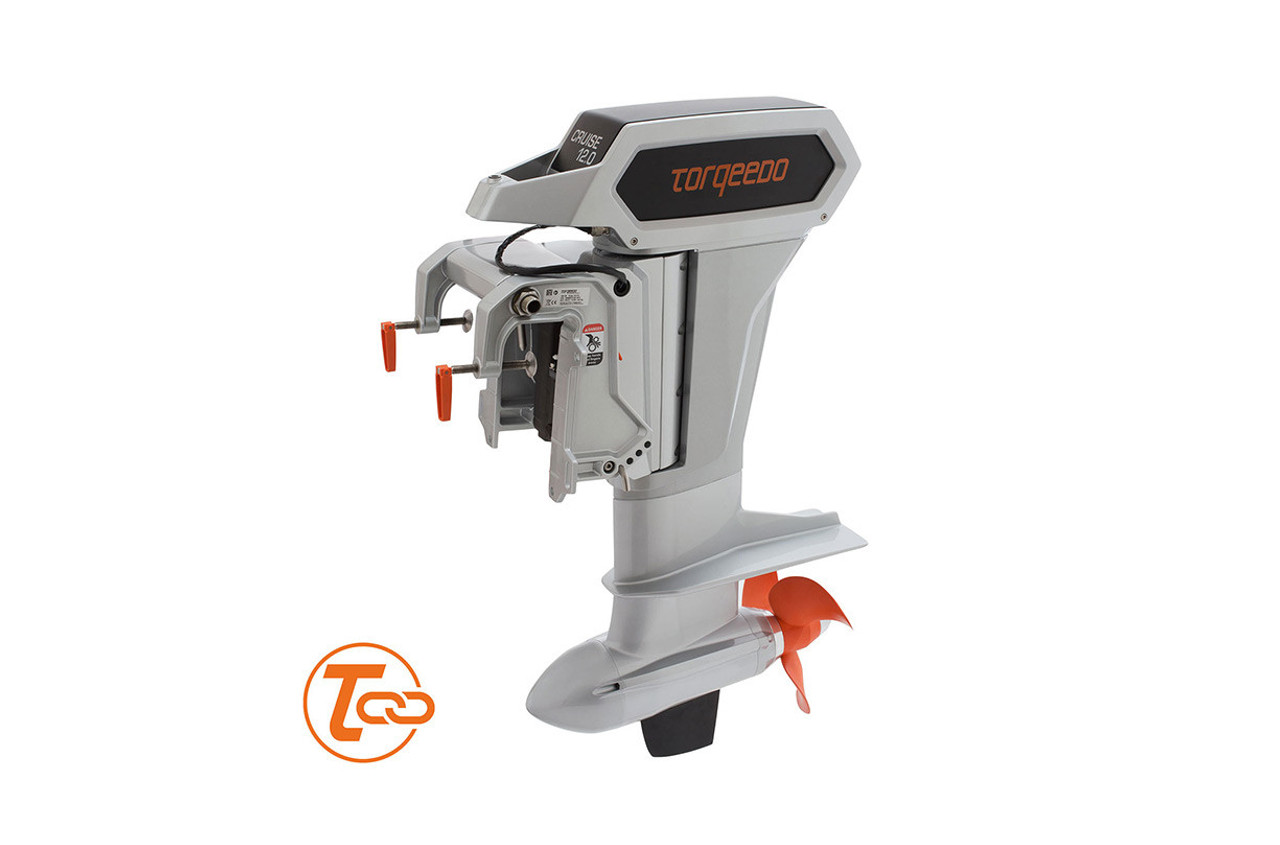
Cruise 12.0 RXL TorqLink
In Stock
In Stock
In Stock
Torqeedo Cruise 10 TS
In Stock
Torqeedo Electric Motor | Cruise 10.0 TL
In Stock
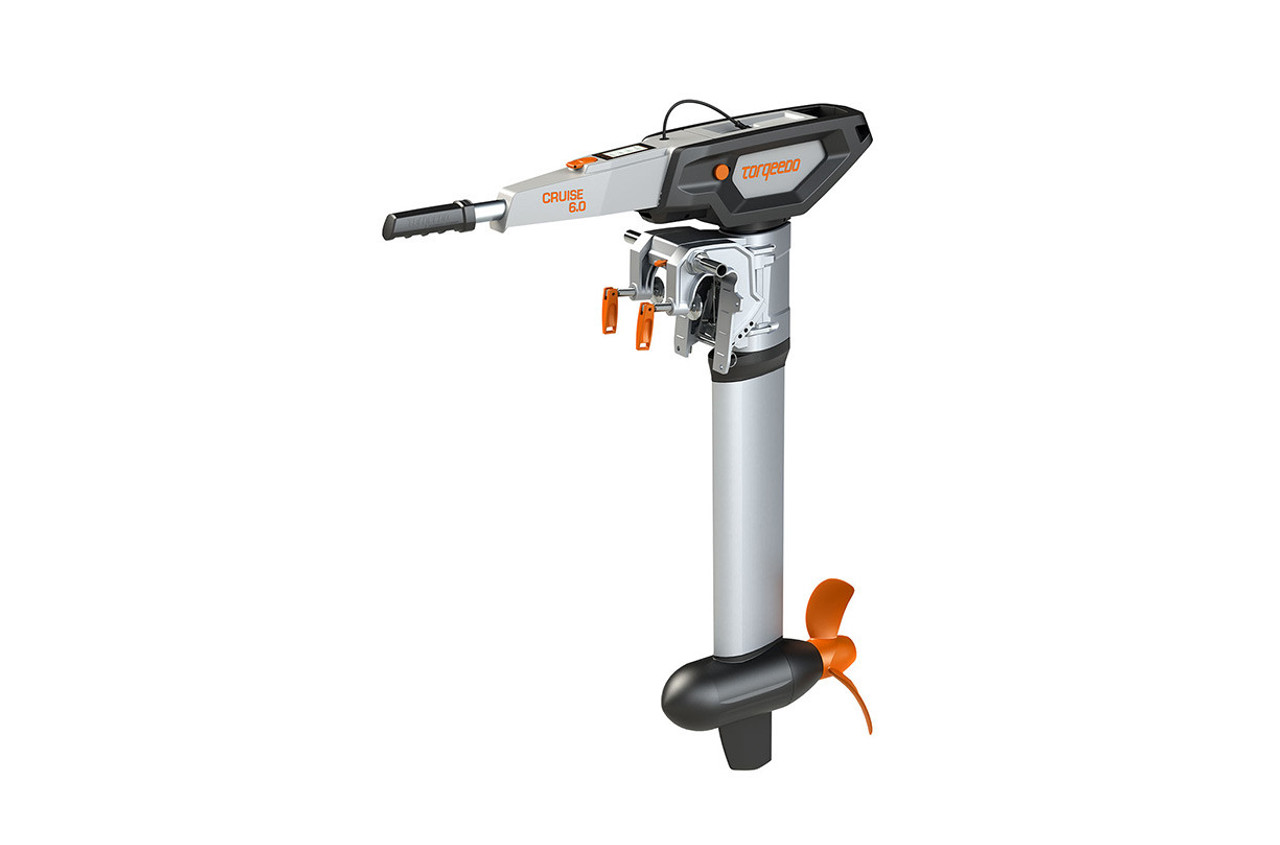
Torqeedo Electric Motor | Cruise 6.0 TS
In Stock
Torqeedo Electric Motor | Cruise 6.0 TL
In Stock
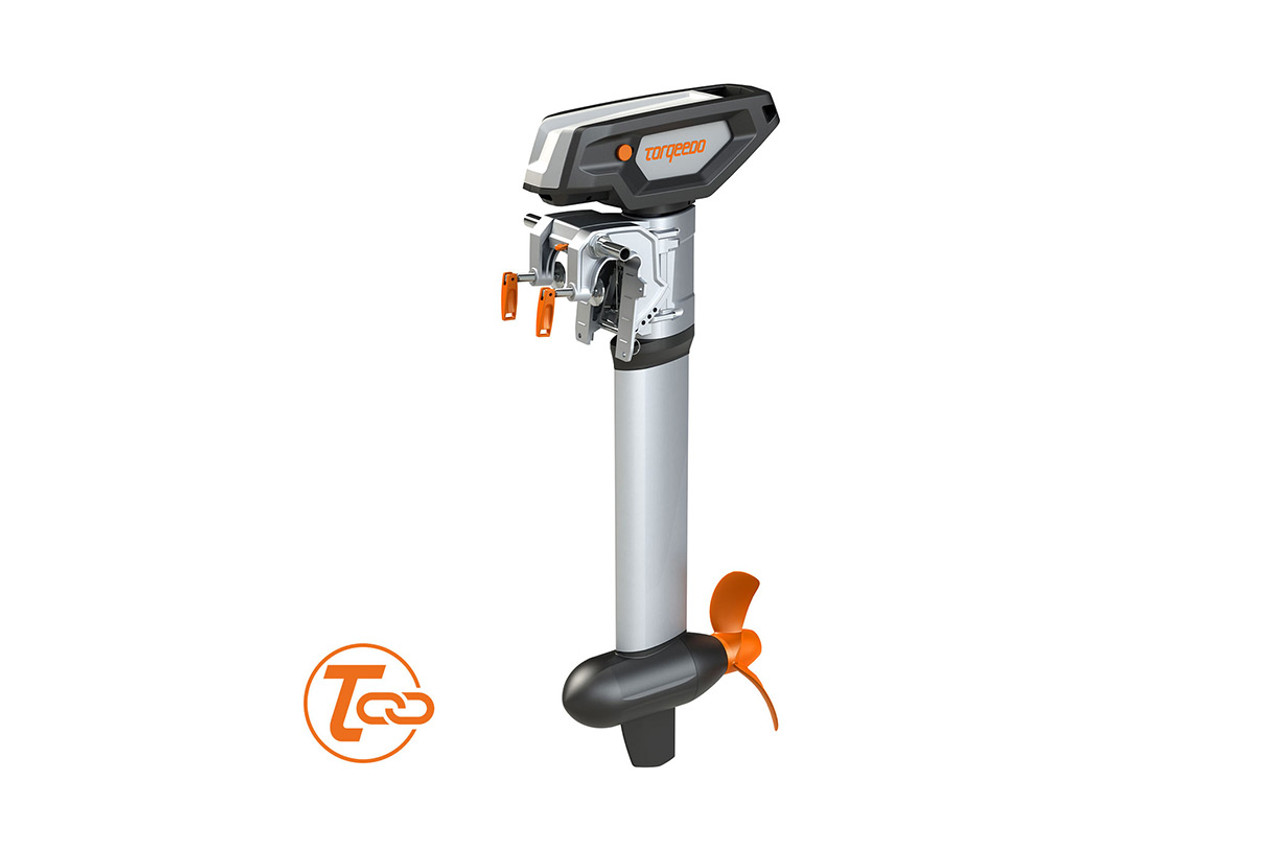
Cruise 6.0 RS TorqLink
In Stock
Cruise 6.0 RL TorqLink
In Stock
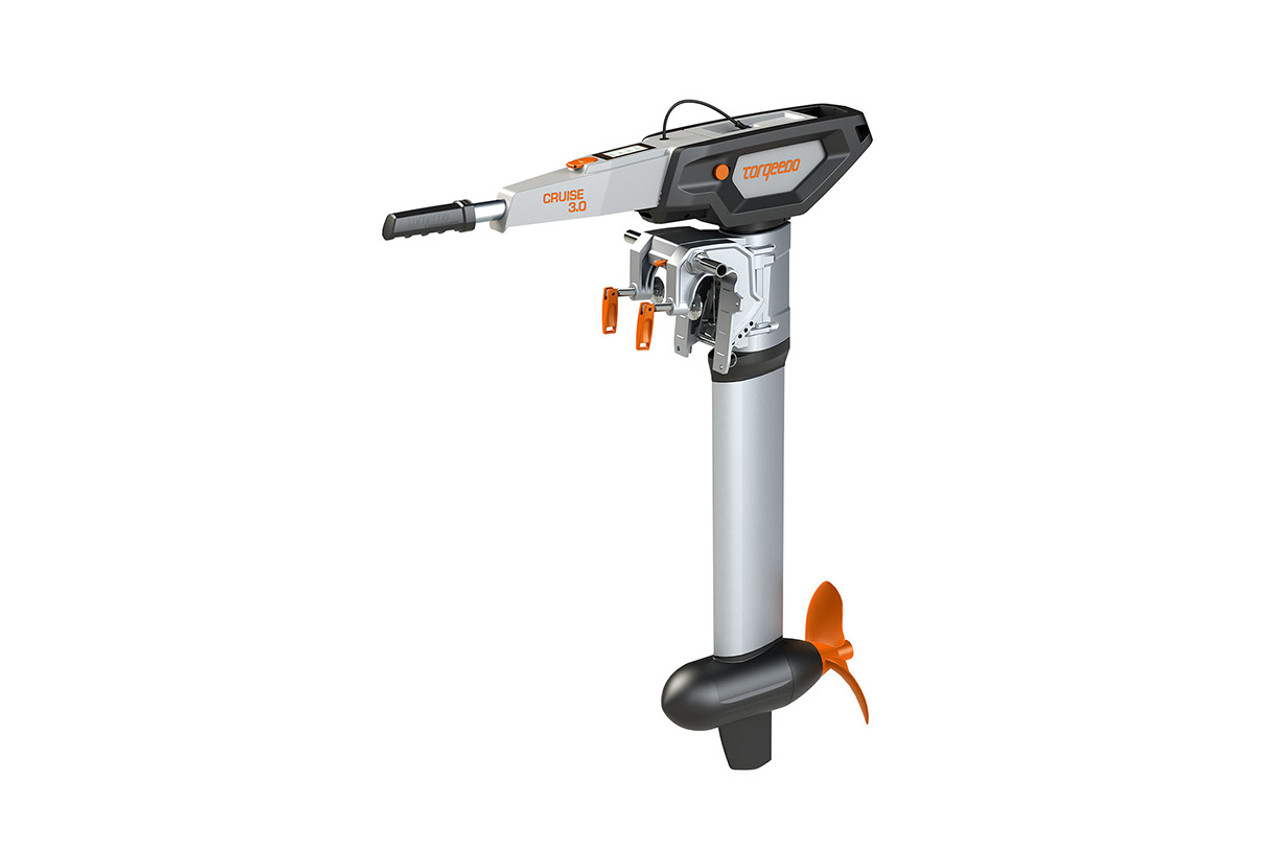
Torqeedo Electric Motor | Cruise 3.0 TS
In Stock
Torqeedo Electric Motor | Cruise 3.0 TL
In Stock
Torqeedo Electric Motor | Cruise 3.0 RS
In Stock
Cruise 3.0 RL
In Stock
Travel 1103 CS
In Stock
Travel 1103 CL
In Stock
Ultralight 1103 AC
In Stock
Travel 603 S
Choosing a Torqeedo electric outboard
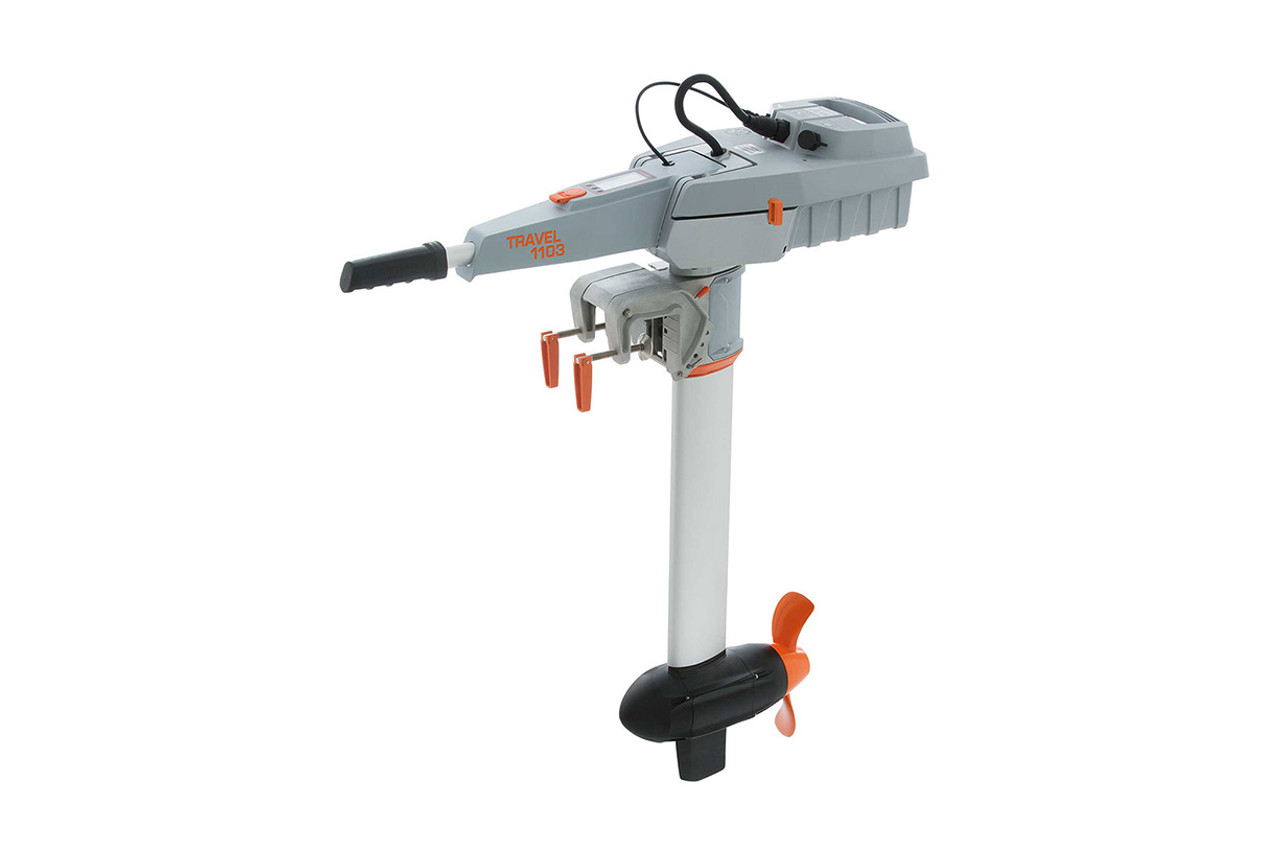
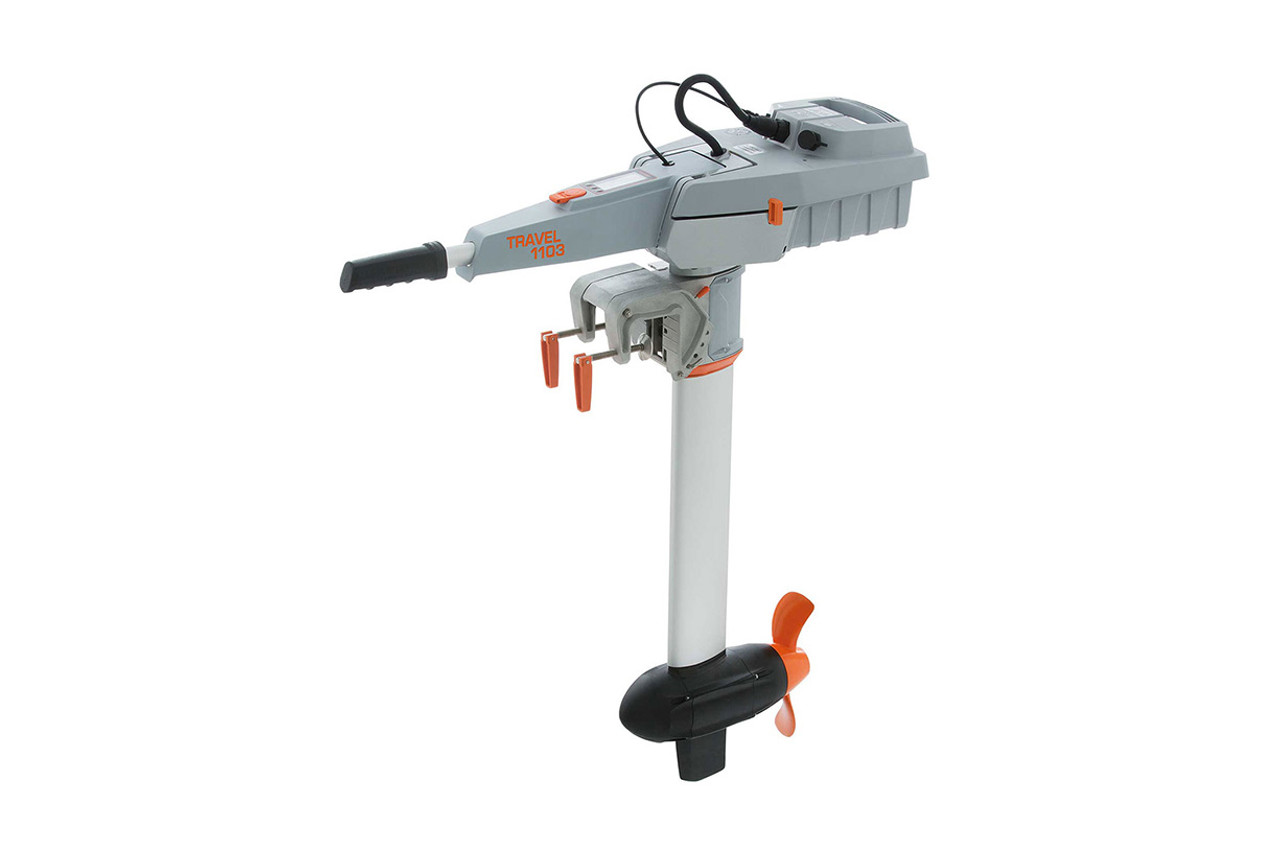
Torqeedo, now part of the Yamaha Motor Group, builds electric outboards at several sizes: Ultralight models for fishing kayaks, the Travel range for dinghies and small boats up to about 5 hp equivalent, and the Cruise range for larger boats at roughly 6 to 25 hp equivalent. Start with the gas horsepower you would otherwise use, then choose steering, shaft length and battery.
Reading Cruise model names
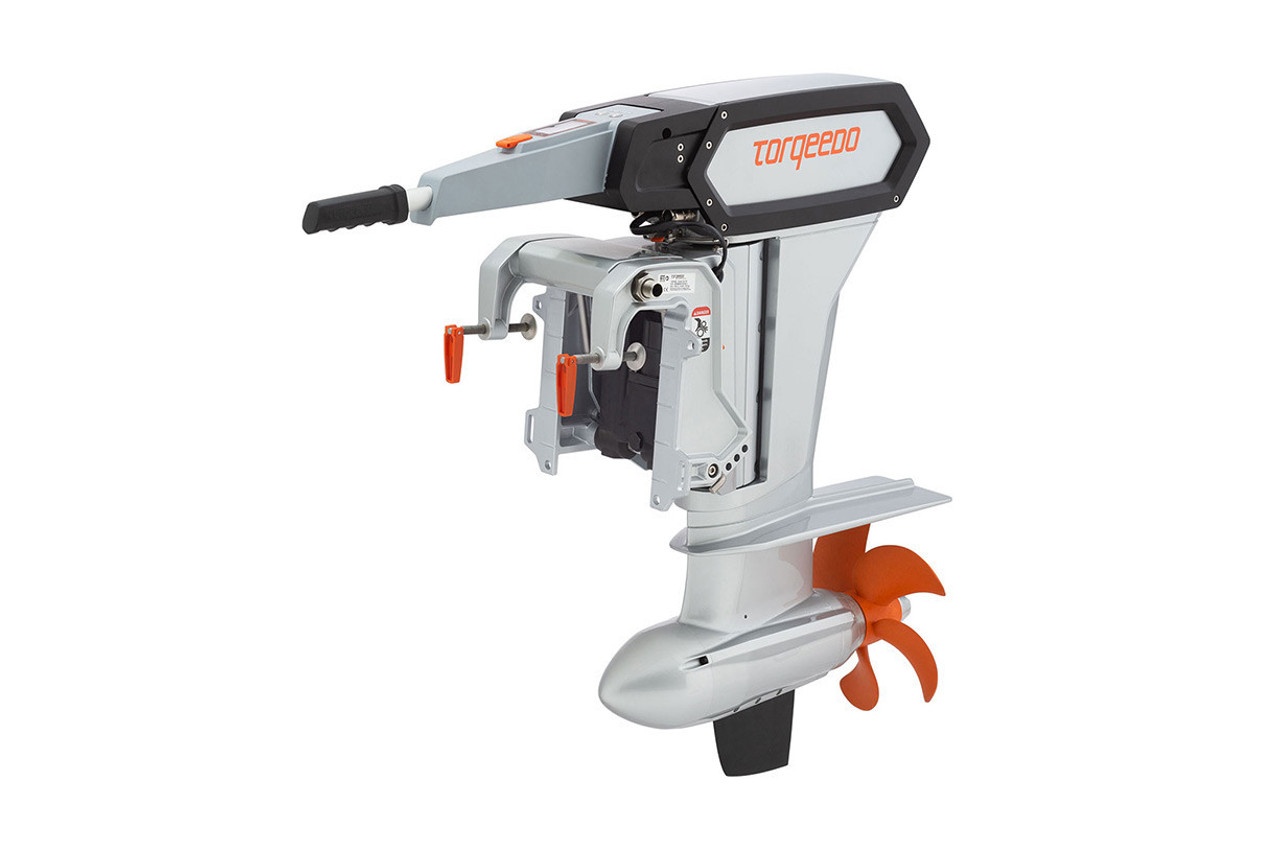
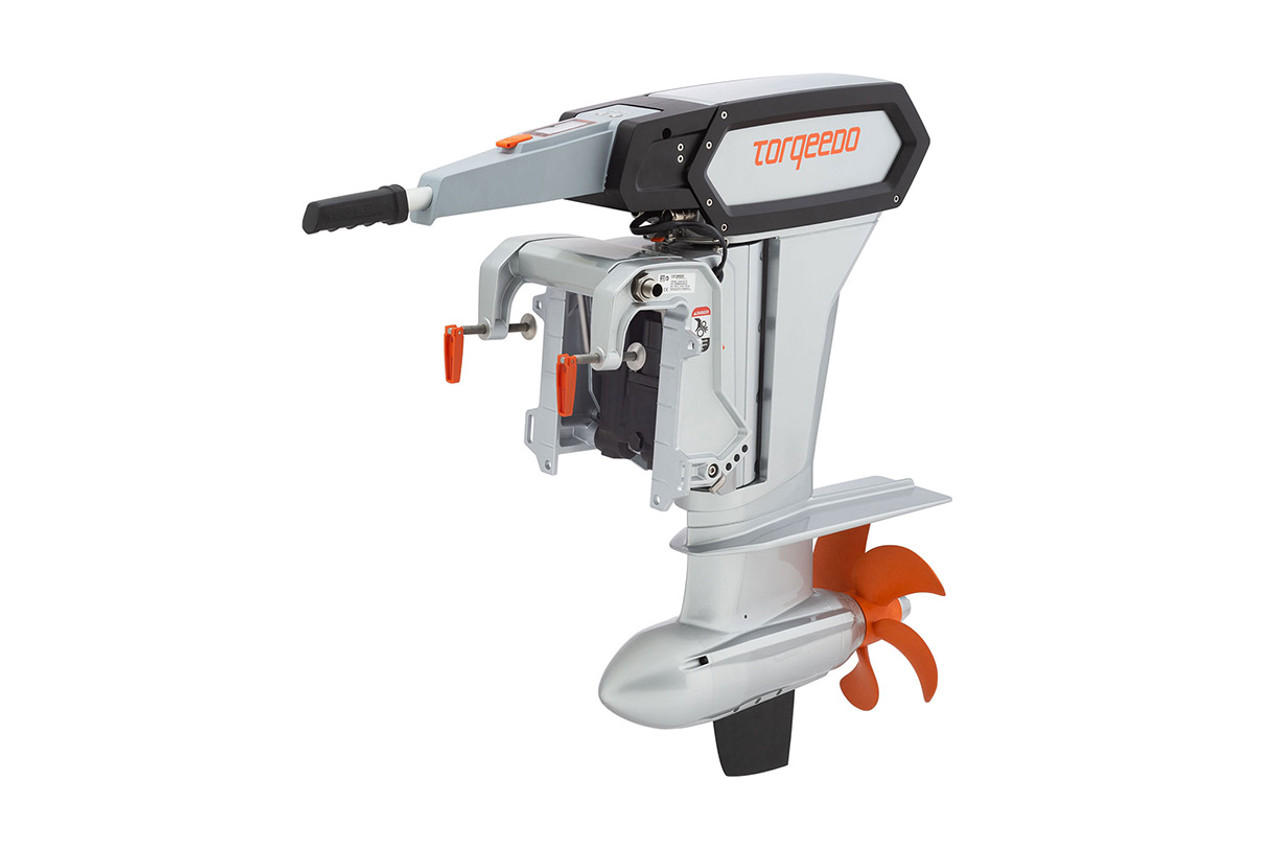
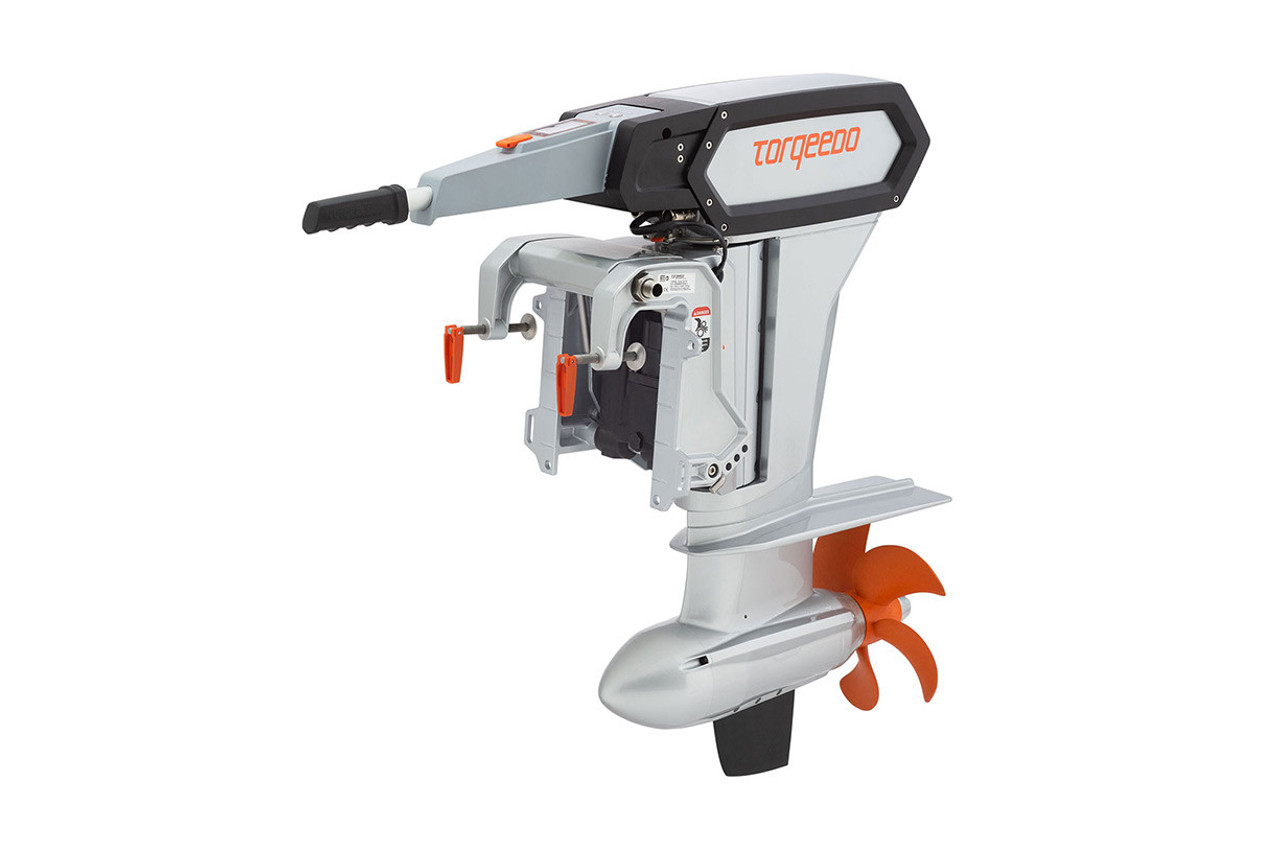
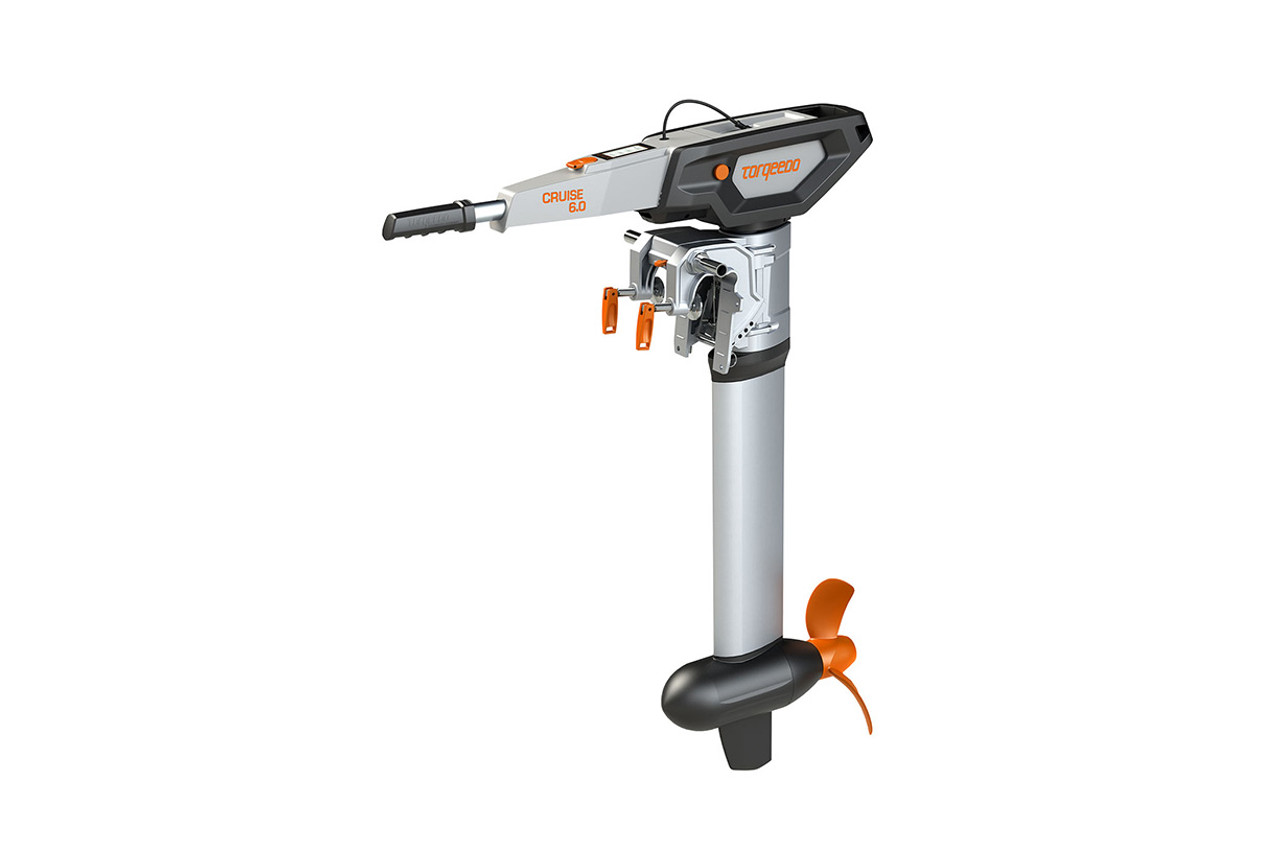
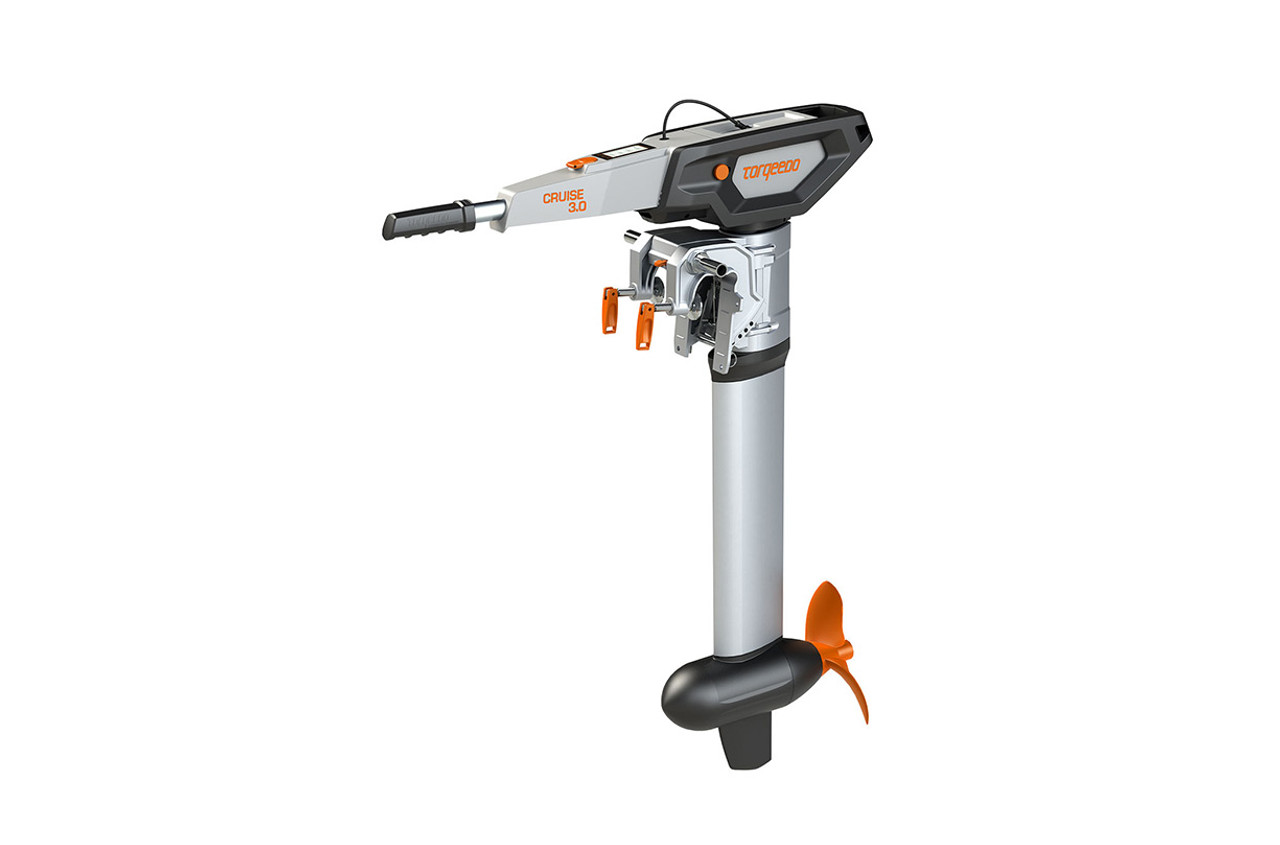
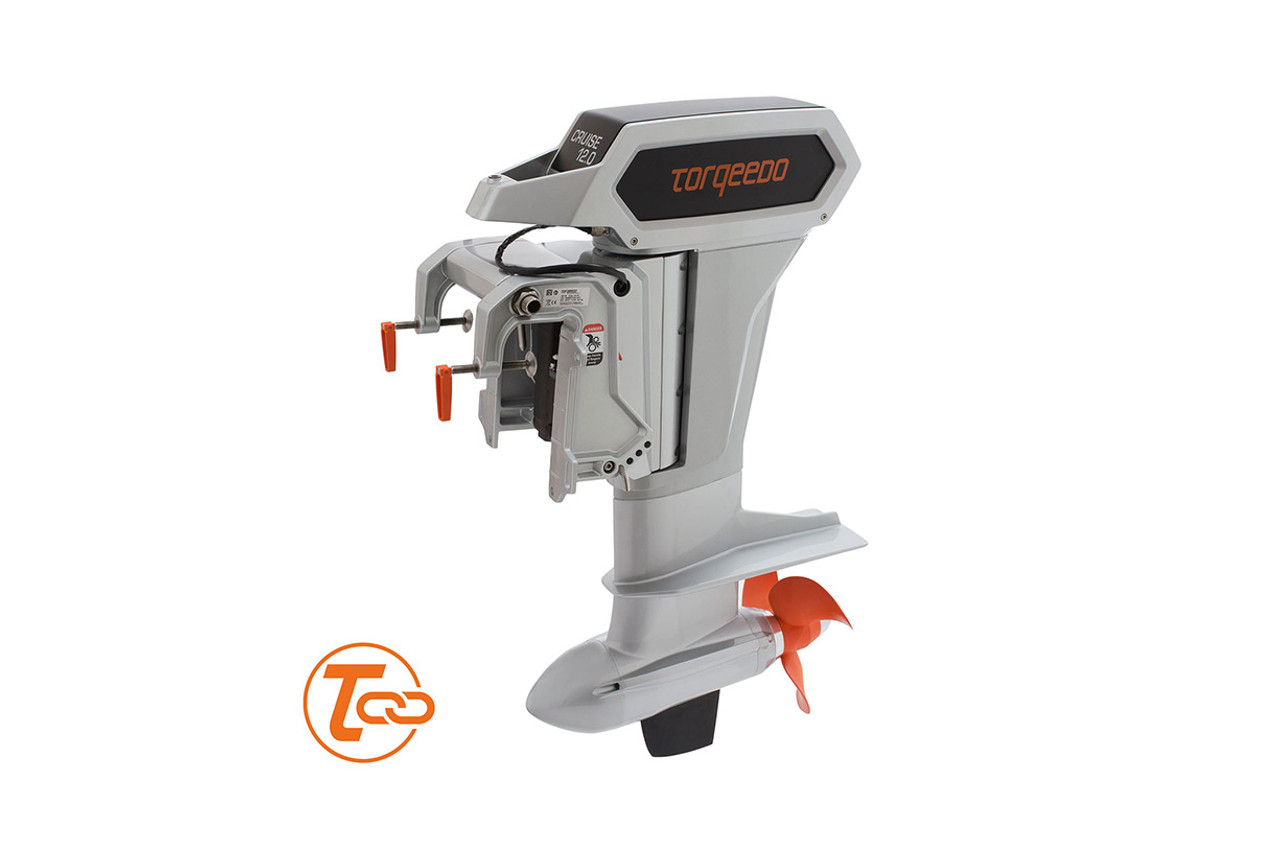
The number tracks input power: a Cruise 3.0 has 3,000 W of input power and Torqeedo compares it to a 6 hp gas outboard, while a Cruise 6.0 has 6,000 W and compares to a 9.9 hp. The letter after it gives steering: T models have a tiller with a built-in display and magnetic kill switch, and R models have a link arm for standard remote steering systems and pair with a remote throttle. Each comes in short or long shaft versions; check the listing for which one. Voltage differs too: the Cruise 3.0 runs on 24 volts and the Cruise 6.0 on 48 volts.
Matching a motor to the boat
Torqeedo frames its ratings around displacement boats: it rates the Cruise 3.0 for displacement hulls up to 3 tons or sailboats up to 30 feet and the Cruise 6.0 for boats up to 6 tons. For a kayak, the Ultralight is the dedicated option; for a tender or inflatable, look at the Travel range.
Batteries and range
Range depends on the battery bank. A Cruise 3.0 can take up to eight Power 24-3500 batteries, and Cruise motors accept third-party batteries of the right voltage, though Torqeedo warns they must be carefully matched to the motor's power needs. Every Cruise has a built-in GPS and on-board computer that shows speed, input power, state of charge and remaining range. When buying, confirm which batteries, cables, throttle and charger come with the motor, since a bare motor needs all of them to run.
Torqeedo outboard motors: common questions
- What gas outboard does a Torqeedo Cruise replace?
- By Torqeedo's own comparison, the Cruise 3.0 matches the propulsion of a 6 hp gas outboard and the Cruise 6.0 matches a 9.9 hp. The larger Cruise models extend the family to about 25 hp equivalent. Those figures describe thrust, not range, so size the battery bank separately according to how far and how fast you plan to run on a typical day.
- What is the difference between Torqeedo T and R models?
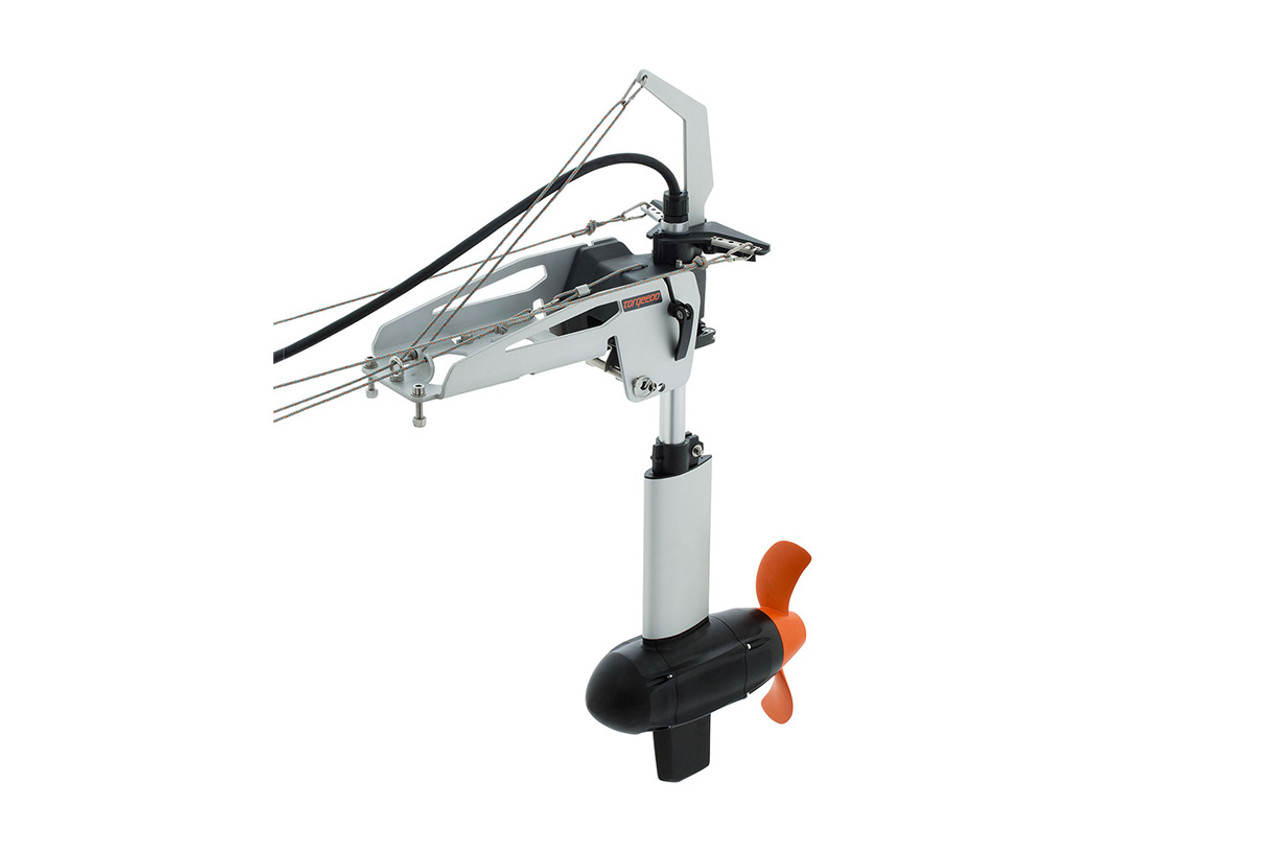
- T models are tiller-steered, with the throttle, display and magnetic kill switch on the tiller itself, which suits small boats steered from the stern. R models are built for remote steering: they have a link arm that connects to industry-standard steering systems and pair with a separate remote throttle at the helm. Both come in short or long shaft versions.
- Can I use my own batteries with a Torqeedo Cruise?
- Yes, within limits. Torqeedo says Cruise motors are compatible with third-party batteries of the correct voltage, 24 volts for the Cruise 3.0 and 48 volts for the Cruise 6.0, but they must be carefully matched to the motor's power requirements, and the 48-volt setup needs an additional cable set. For the Cruise 3.0, Torqeedo highly recommends its own Power 24-3500 battery.
- Which Torqeedo is right for a kayak?
- The Ultralight family is Torqeedo's option for fishing kayaks. Its mount and size are built around kayak use, so check that the mount suits your kayak model. For an inflatable tender or small dinghy, the Travel family, rated up to about 5 hp equivalent, is the better fit, and Cruise models are aimed at larger boats.