
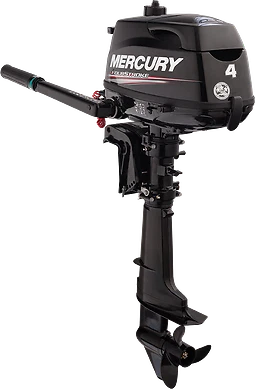
 In Stock
2026 Mercury 4 HP 4MH Outboard Motor
€1,100.00
View
New and pre-owned outboard motors (boat motors and marine engines) from Mercury, Yamaha, Honda, Tohatsu, Suzuki and Evinrude, inspected and shipped on insured freight.
1,260 listings · page 1 of 53
In Stock
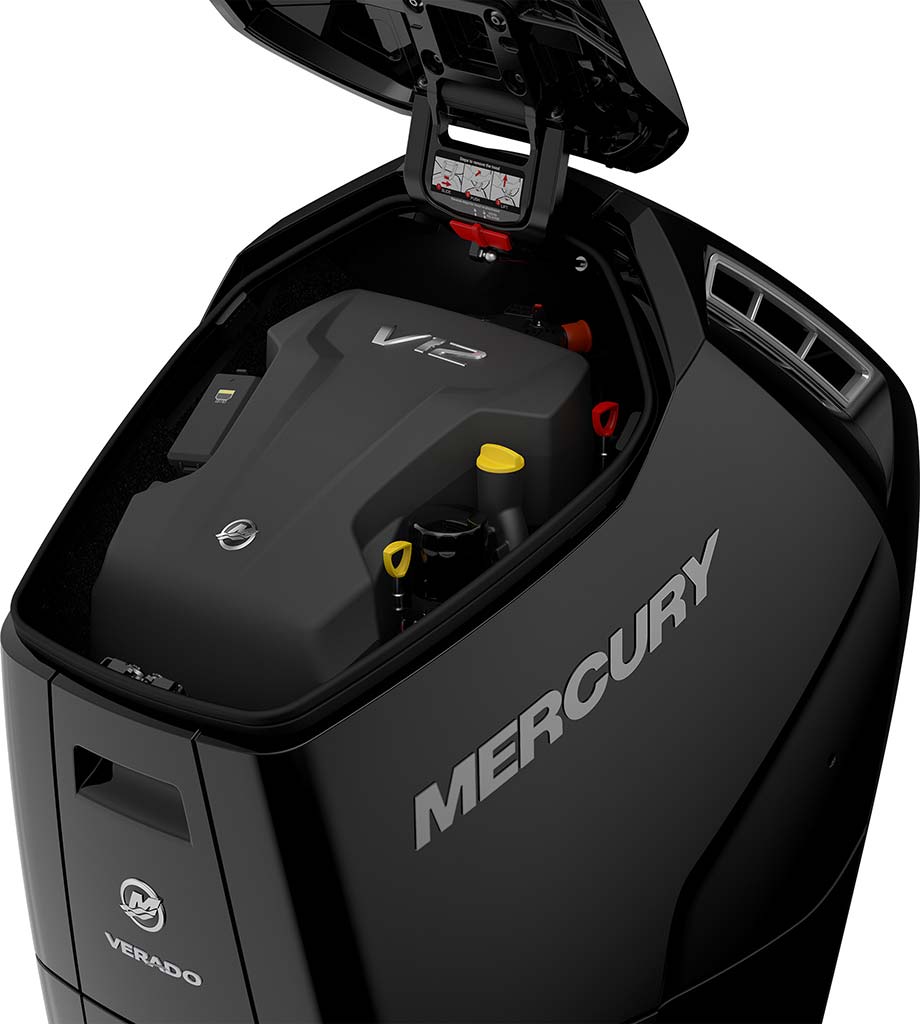 In Stock
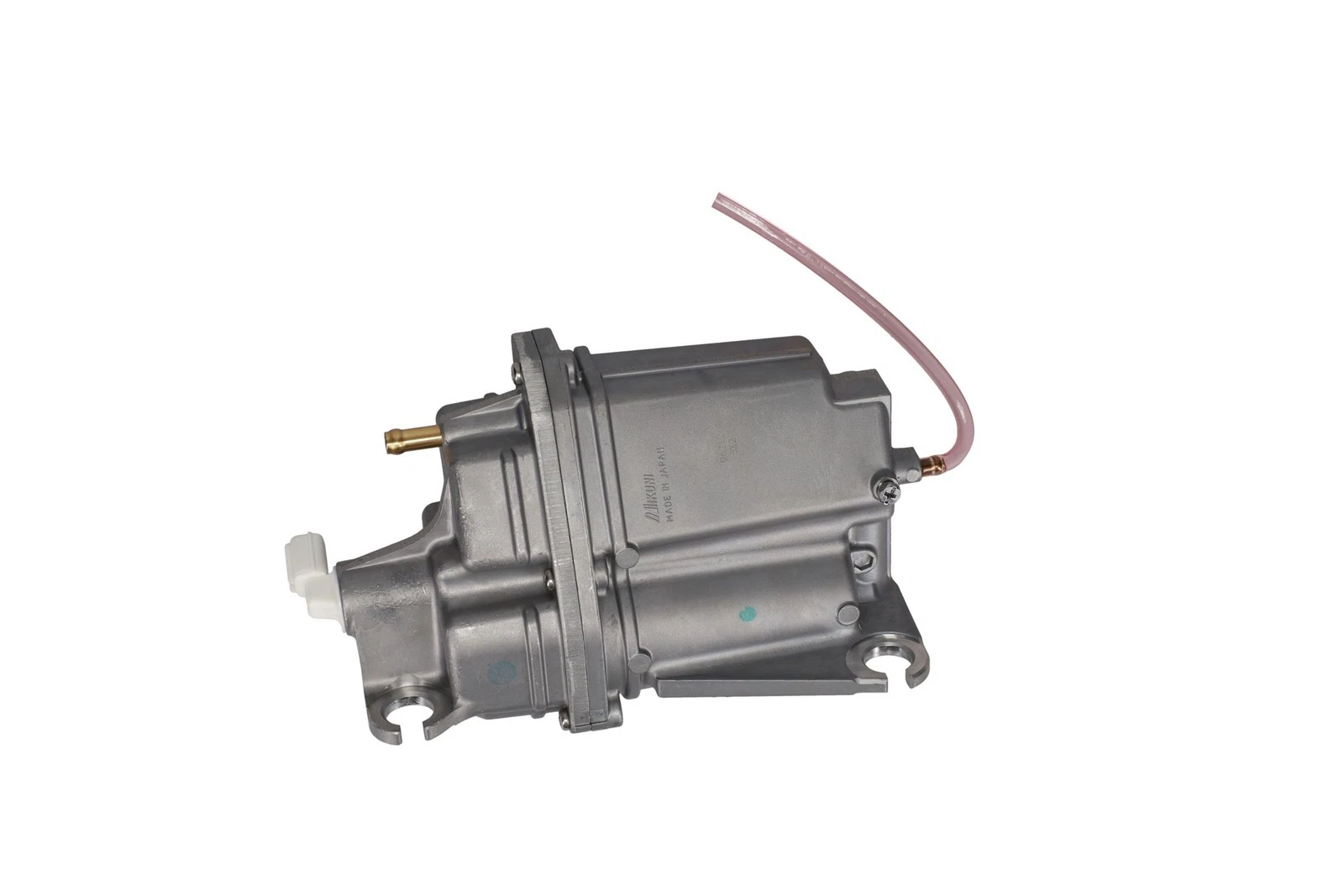 In Stock
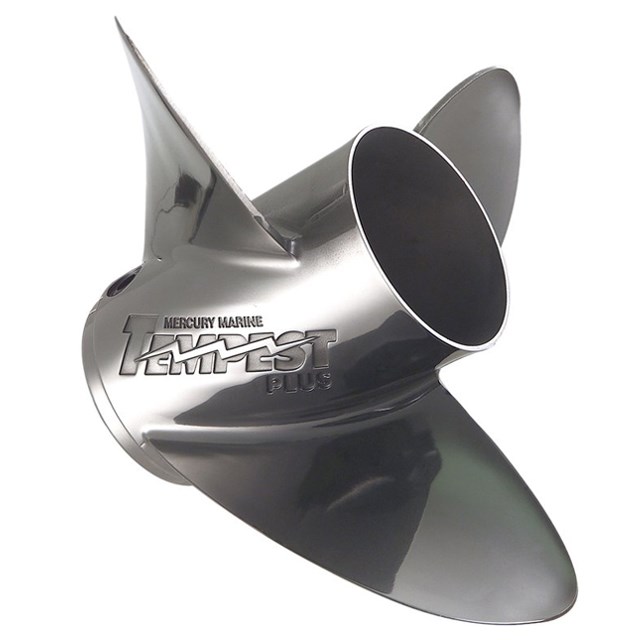 In Stock
 In Stock
 In Stock
 In Stock
 In Stock
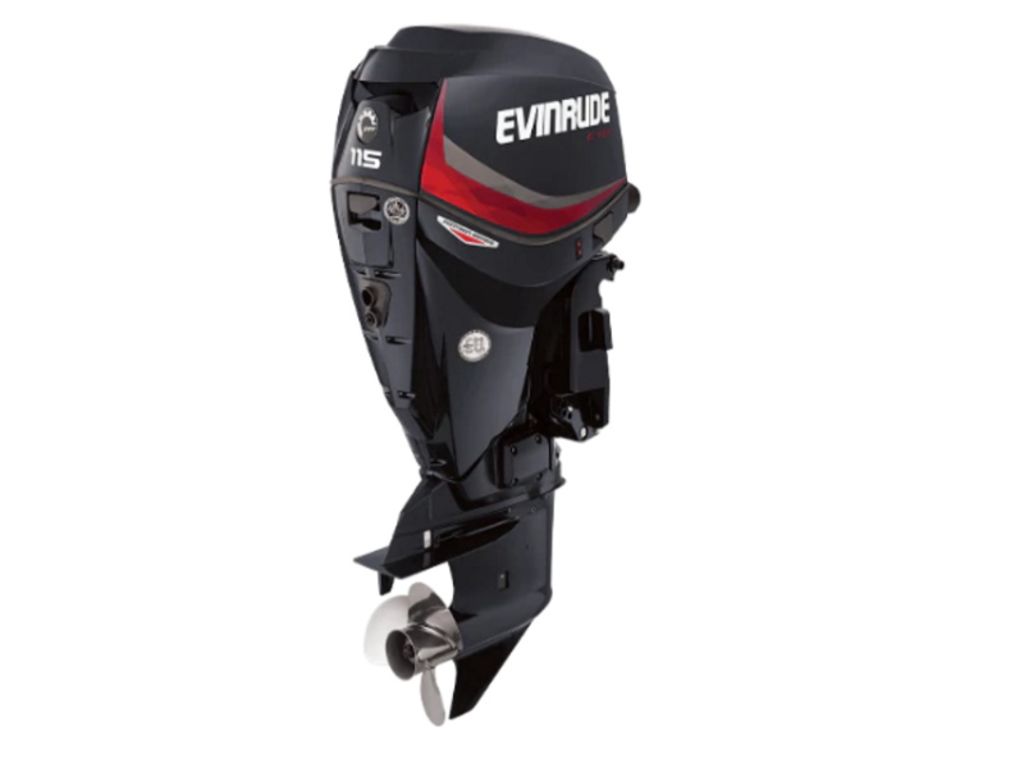 In Stock
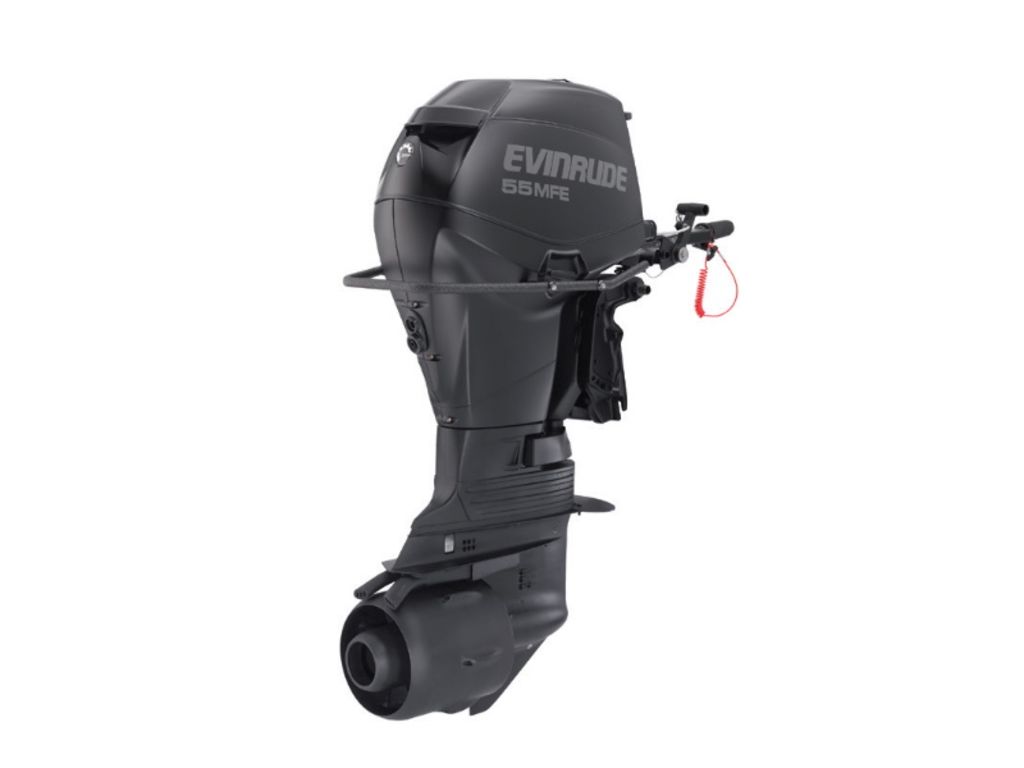 In Stock
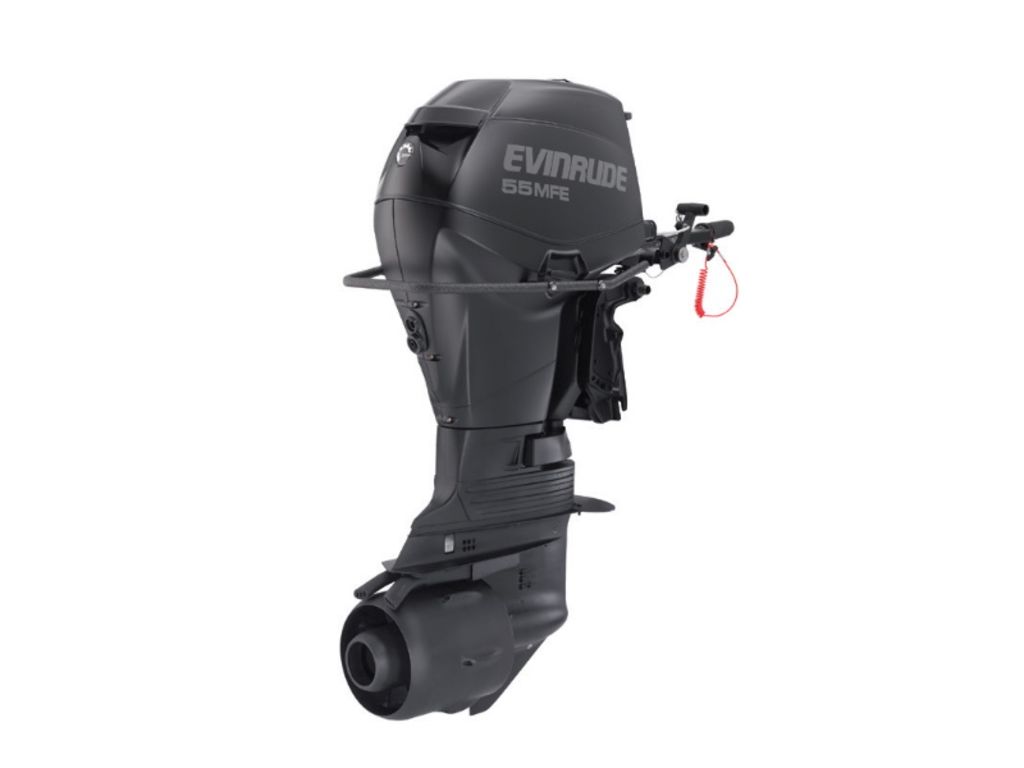 In Stock
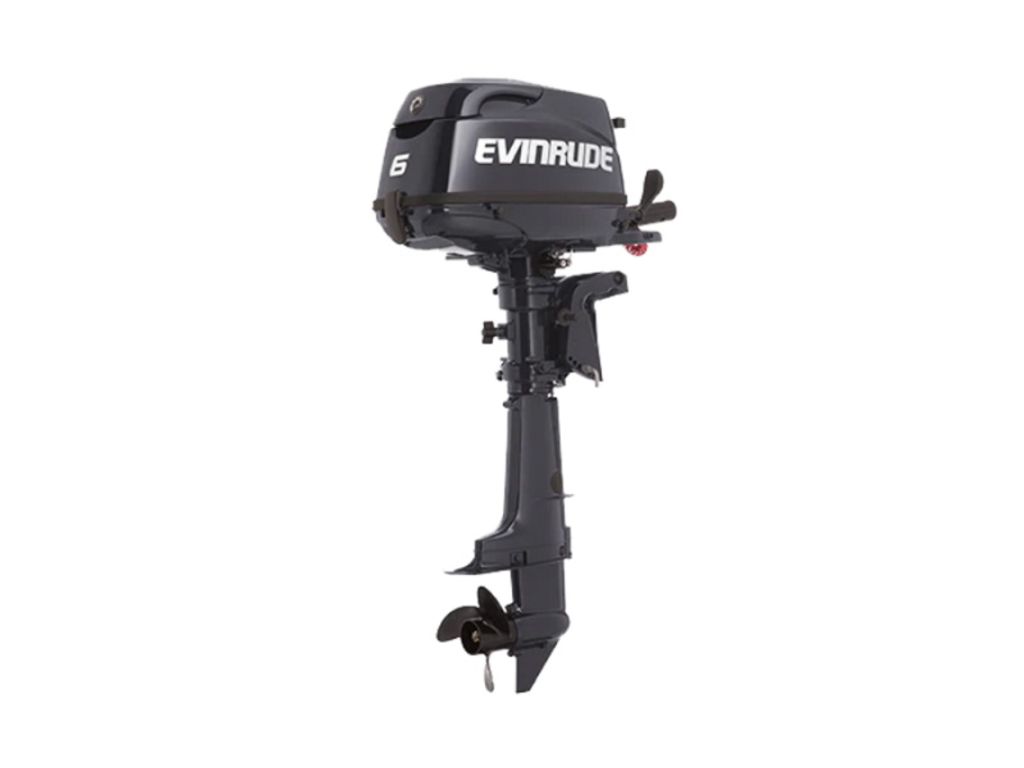 In Stock
 In Stock
 In Stock
 In Stock
 In Stock
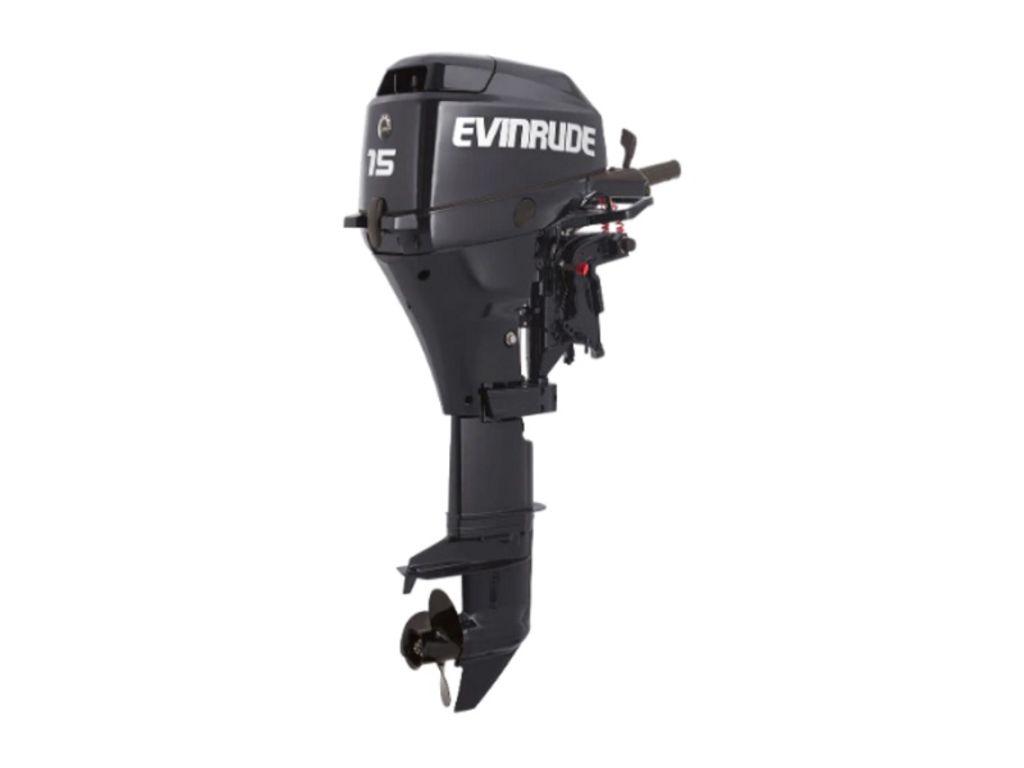 In Stock
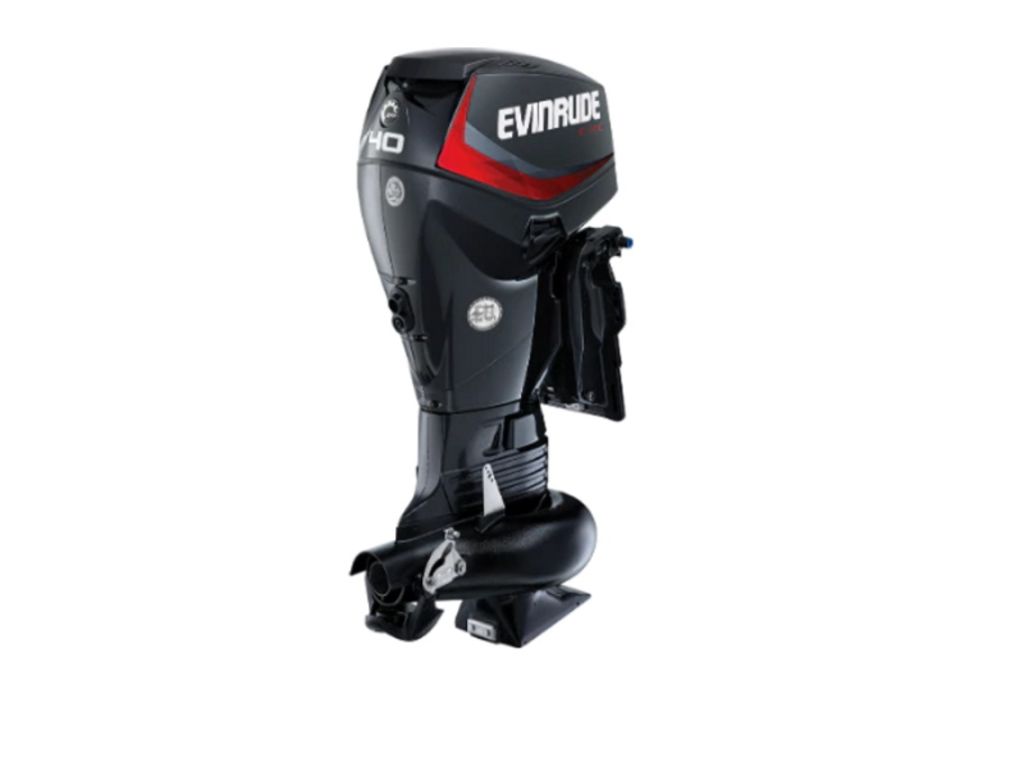 In Stock
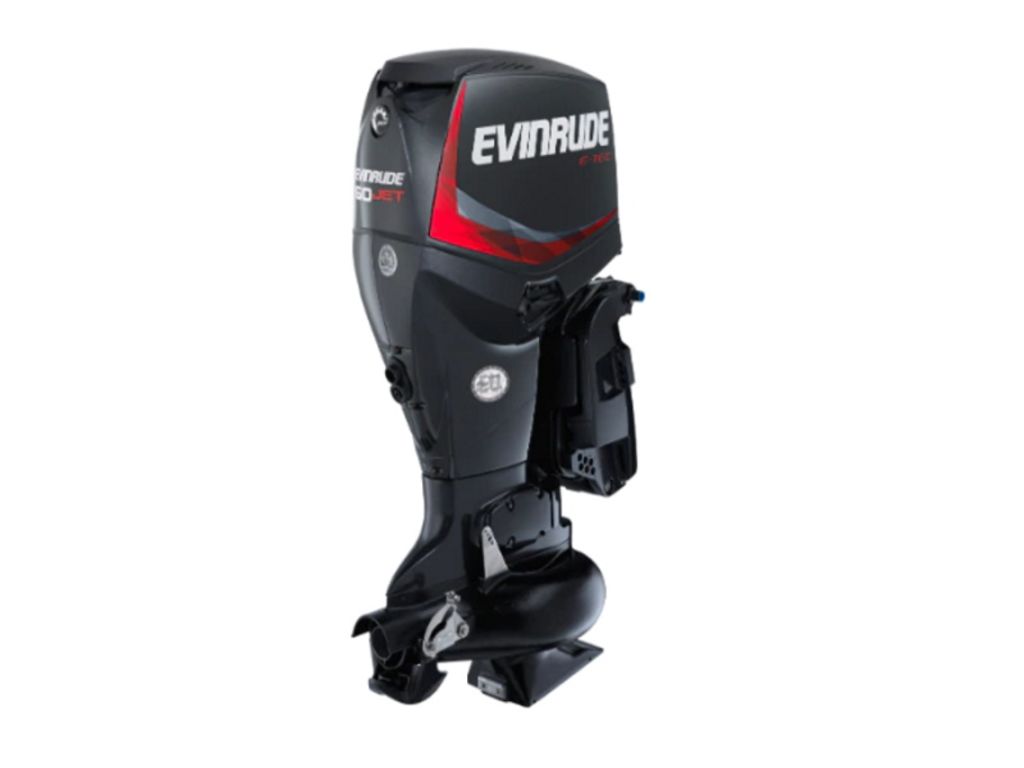 In Stock
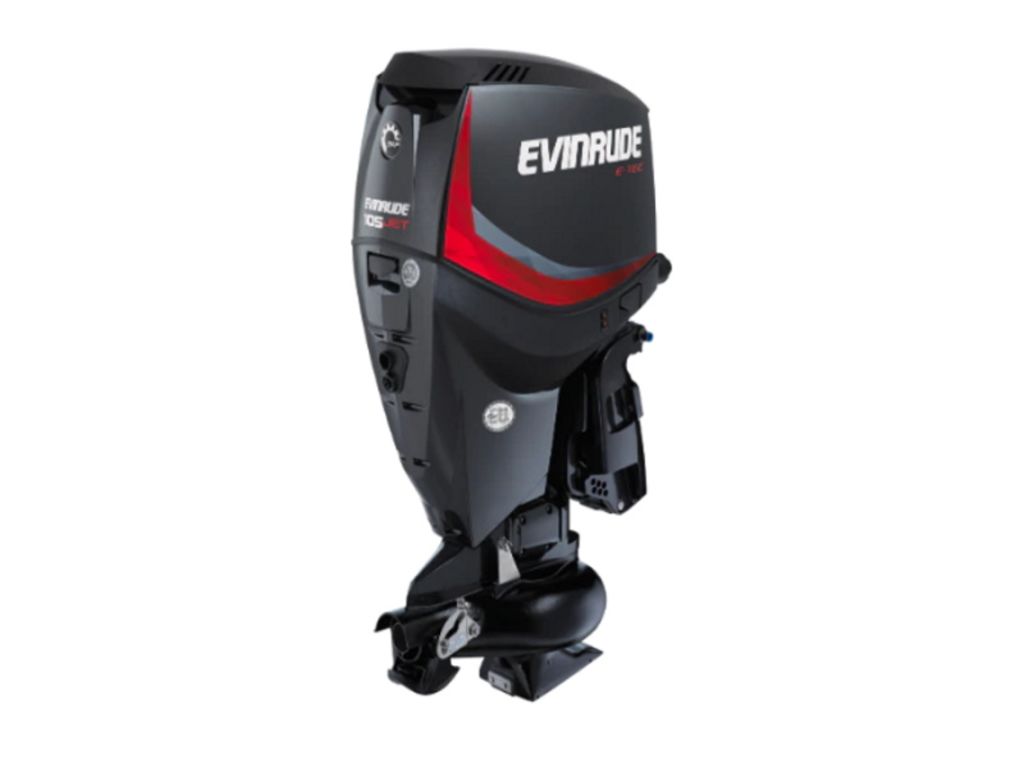 In Stock
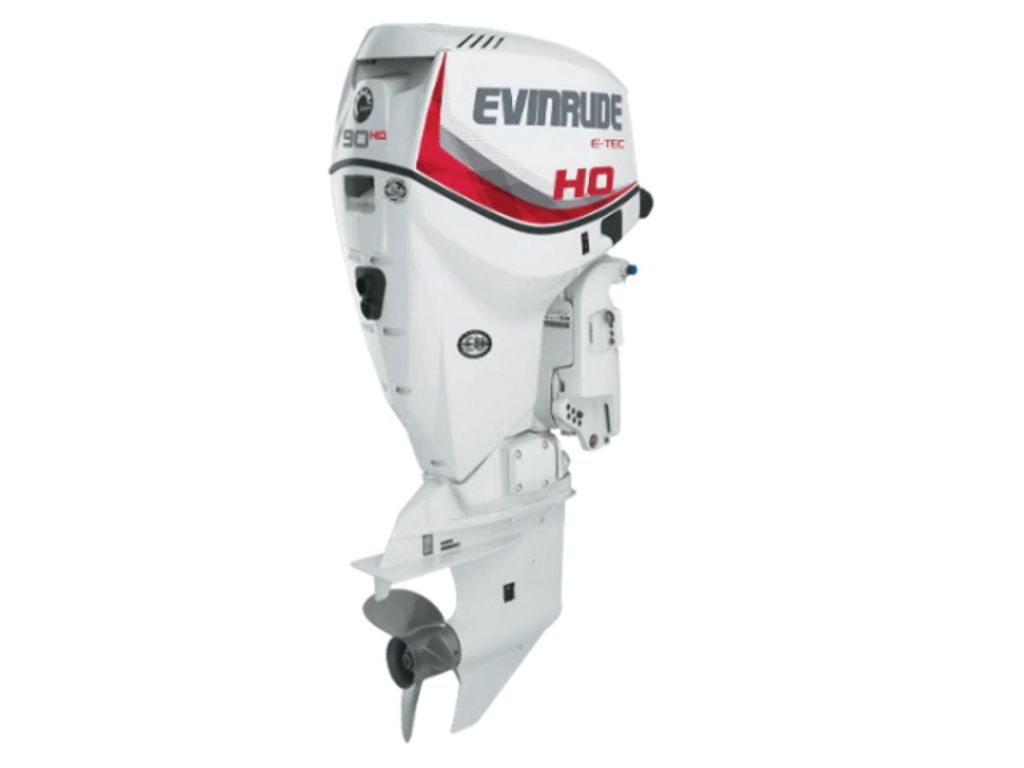 In Stock
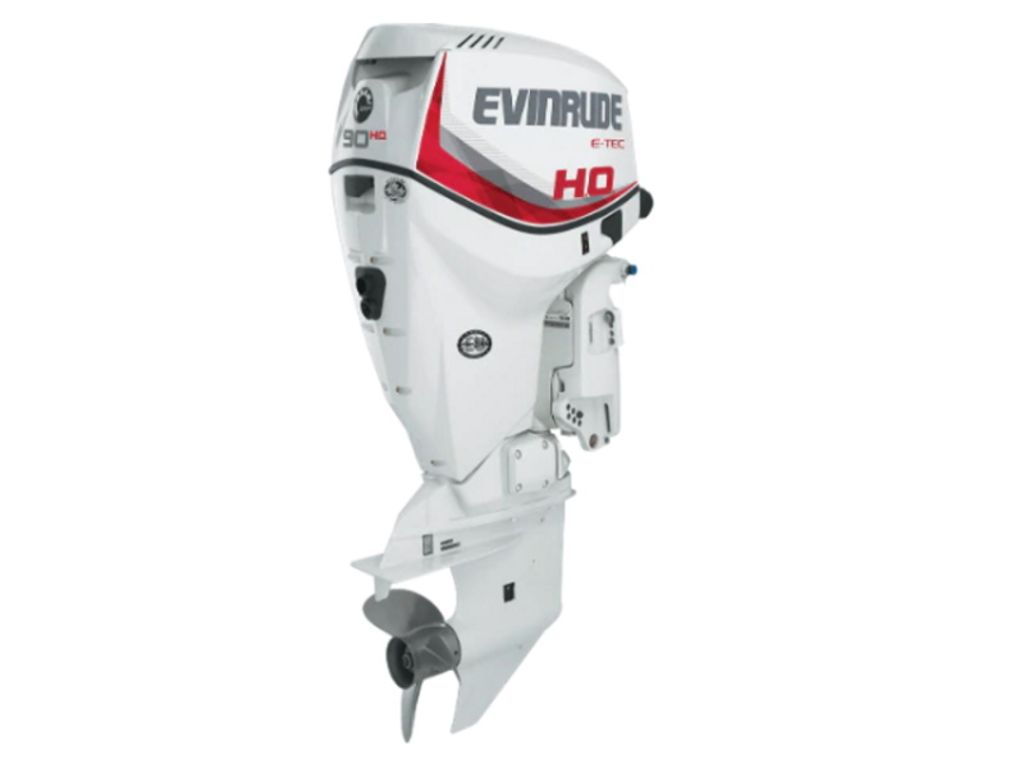 In Stock
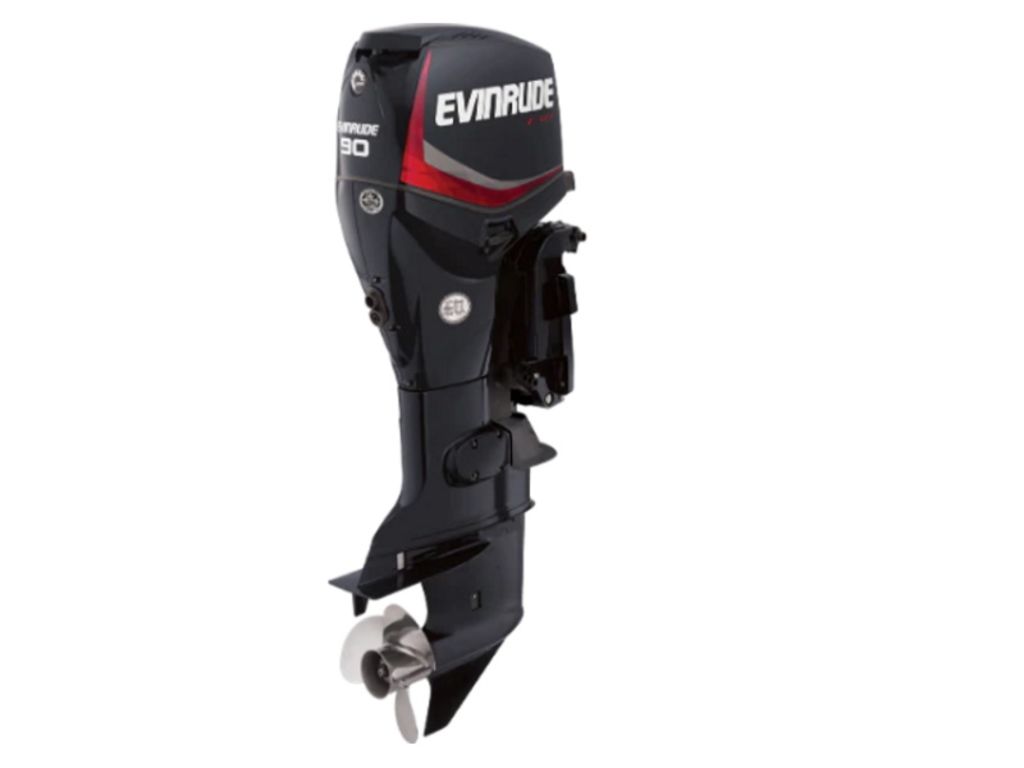 In Stock
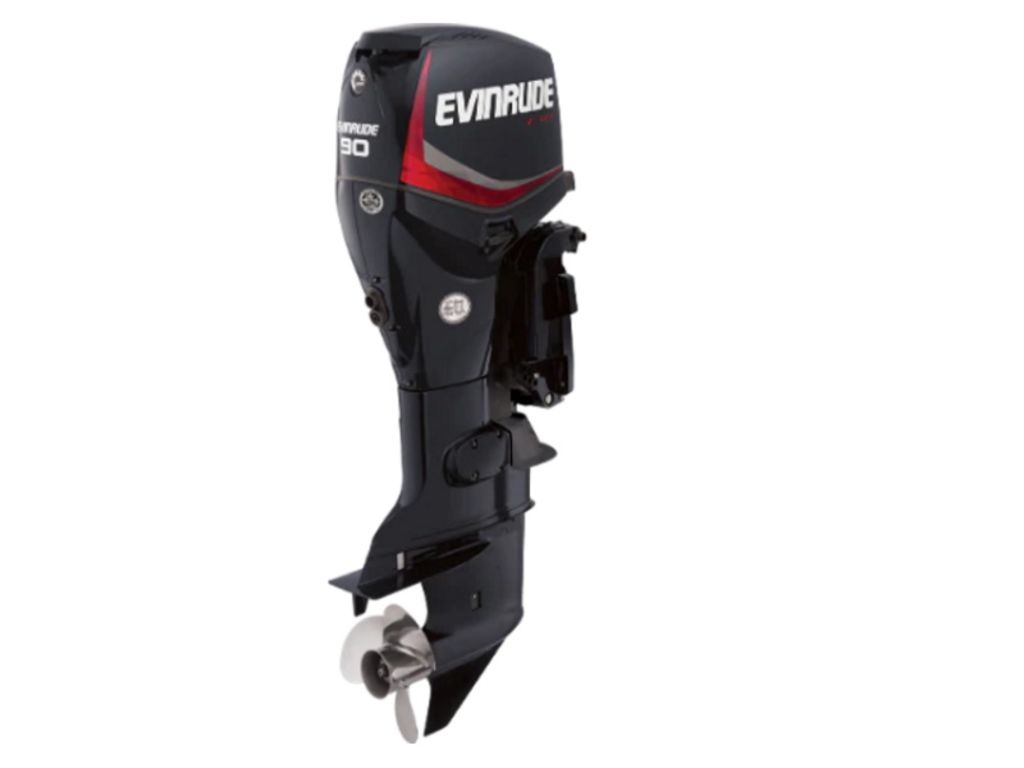 In Stock
Choose an outboard in this order: the horsepower your boat is rated for, the shaft length your transom needs, how you will steer and control it, and only then the maker and model line. A motor that is wrong on the first two points will not suit the boat, whatever its brand.
Under federal capacity-marking rules, monohull boats under 20 feet (sailboats, canoes, kayaks and inflatables excepted) must show a maximum horsepower on the capacity plate. Treat that number as a ceiling, not a target. Tohatsu's advice is to never exceed the boat's rating, then weigh the hull, the passengers and gear, and how you use the boat: trolling a small lake takes far less power than pulling a skier.
Shaft length decides how deep the propeller runs. Mercury's rule is to pick the shaft that puts the anti-ventilation plate no more than 1 inch below the bottom of the boat, and to measure where the motor will actually mount, which matters for an off-center kicker. Tohatsu notes that most boats take a short (about 15-inch) or long (about 20-inch) shaft, with some needing 25 inches; big offshore motors such as Yamaha's XTO come in 25, 30 and 35 inches. Nominal sizes are not exact, and Tohatsu says some of its shafts run 2 inches longer than standard, so compare the measured spec, not just the letter in the model code.
A tiller motor is steered and throttled at the transom, and as Mercury points out, dropping the console frees the boat so several anglers can fish comfortably. Remote steering moves the wheel and throttle to a helm. Many larger motors are drive-by-wire: Suzuki Precision Control replaces mechanical control cables with electronic wiring, and Digital Throttle & Shift is standard on Mercury Verado. When repowering, confirm which control system the new motor needs, because the cables and control box already on the boat may not carry over.
Heavy, slow boats benefit from thrust-oriented versions. Yamaha rates its High Thrust models at up to 60 percent more forward thrust and up to 70 percent more in reverse than standard outboards of the same horsepower, and markets them for sailboats and heavy pontoons; Mercury offers a Command Thrust gearcase and Honda its Power Thrust (BFP) models. Jet-drive outboards trade output for shallow-water reach: Yamaha's F150 Jet produces 105 hp at the pump. On twin installations, one motor is usually counter-rotating so the boat tracks straight and level. Whatever you buy, prop it so full-throttle rpm falls inside the maker's range; Mercury warns that rpm too high or too low can damage the engine and drive.
EPA adopted tighter emission standards for outboard engines starting with the 2010 model year. Honda, which entered the market in 1964 with four-strokes, sells only four-strokes from 2 to 350 hp in the US. Two-strokes still turn up used, including Evinrude E-TEC models, whose production BRP ended in 2020; they need the correct two-stroke oil, typically NMMA TC-W3 rated. Electric outboards suit short runs and quiet water: Torqeedo rates its Cruise 3.0 as comparable to a 6 hp gas outboard and its Cruise 6.0 to a 9.9 hp, with range set by battery capacity and throttle.
Units here are inspected and documented before shipping, and engines get a compression check where the design allows. On any used motor, also ask when the water pump impeller was last changed: Tohatsu recommends replacing it every year at a minimum because the rubber deteriorates even when the motor sits. Then browse by maker: Mercury, Yamaha, Honda, Suzuki, Tohatsu, Evinrude, Nissan and Torqeedo. For questions about a specific listing, use the contact page.
Price ranges across current listings, computed from the inventory. Open a row to see every unit.
| Size / type | Listings | Lowest | Median | Highest |
|---|---|---|---|---|
| 2.5 HP Outboard Motors | 6 | €620.88 | €971.28 | €1,585.47 |
| 4 HP Outboard Motors | 16 | €460.51 | €1,033.73 | €1,531.88 |
| 5 HP Outboard Motors | 31 | €541.16 | €1,192.56 | €2,378.54 |
| 6 HP Outboard Motors | 35 | €582.06 | €1,063.64 | €2,384.41 |
| 8 HP Outboard Motors | 44 | €693.11 | €1,216.56 | €3,972.85 |
| 9.9 HP Outboard Motors | 110 | €805.31 | €1,940.17 | €4,529.20 |
| 15 HP Outboard Motors | 87 | €905.54 | €1,831.56 | €4,755.97 |
| 20 HP Outboard Motors | 89 | €920.90 | €2,025.98 | €4,903.50 |
| 25 HP Outboard Motors | 55 | €1,773.14 | €2,723.36 | €8,368.89 |
| 30 HP Outboard Motors | 38 | €2,067.65 | €5,165.08 | €8,275.31 |
| 40 HP Outboard Motors | 23 | €3,030.29 | €5,754.72 | €10,284.50 |
| 50 HP Outboard Motors | 31 | €2,460.36 | €7,470.58 | €10,787.10 |
| 60 HP Outboard Motors | 24 | €3,919.05 | €8,476.51 | €98,123.22 |
| 90 HP Outboard Motors | 20 | €4,207.64 | €6,153.71 | €14,376.58 |
| 115 HP Outboard Motors | 41 | €4,849.46 | €10,754.03 | €19,319.54 |
| 150 HP Outboard Motors | 29 | €6,362.14 | €16,191.18 | €245,849.91 |
| 200 HP Outboard Motors | 32 | €4,672.24 | €22,151.42 | €30,738.96 |
| 225 HP Outboard Motors | 41 | €4,026.06 | €27,444.08 | €32,258.47 |
| 250 HP Outboard Motors | 73 | €9,344.43 | €29,611.22 | €34,011.70 |
| 300 HP Outboard Motors | 27 | €16,375.28 | €30,359.43 | €41,692.08 |